
It was raining in Boston, the kind that doesn’t fall so much as it Hangs In the air-damp, insistent, the sort of weather that separates those who packed right from those who just thought they did. I watched a guy stride past the Common, Trench coat Flapping like something out of a 1940s newsreel, collar popped, hands deep in pockets, utterly unfazed. That’s the thing about a great overcoat: it’s not just fabric and stitching. It’s armor with attitude.
Overcoats Aren’t seasonal accessories. They’re statements. Whether you're cutting through city sleet or stepping out after dark into crisp autumn air, your outer layer says something before you even speak. And right now, two styles dominate the scene-not because influencers said so, but because they’ve earned their place: the classic trench and the timeless wool coat.
These aren’t trends. They’re traditions that keep evolving, fitting modern lives without losing their edge. Let’s break down why these Mens overcoat Styles still rule the streets-and how to wear them like you mean it.
The Trench Coat: More Than Just Rain Gear
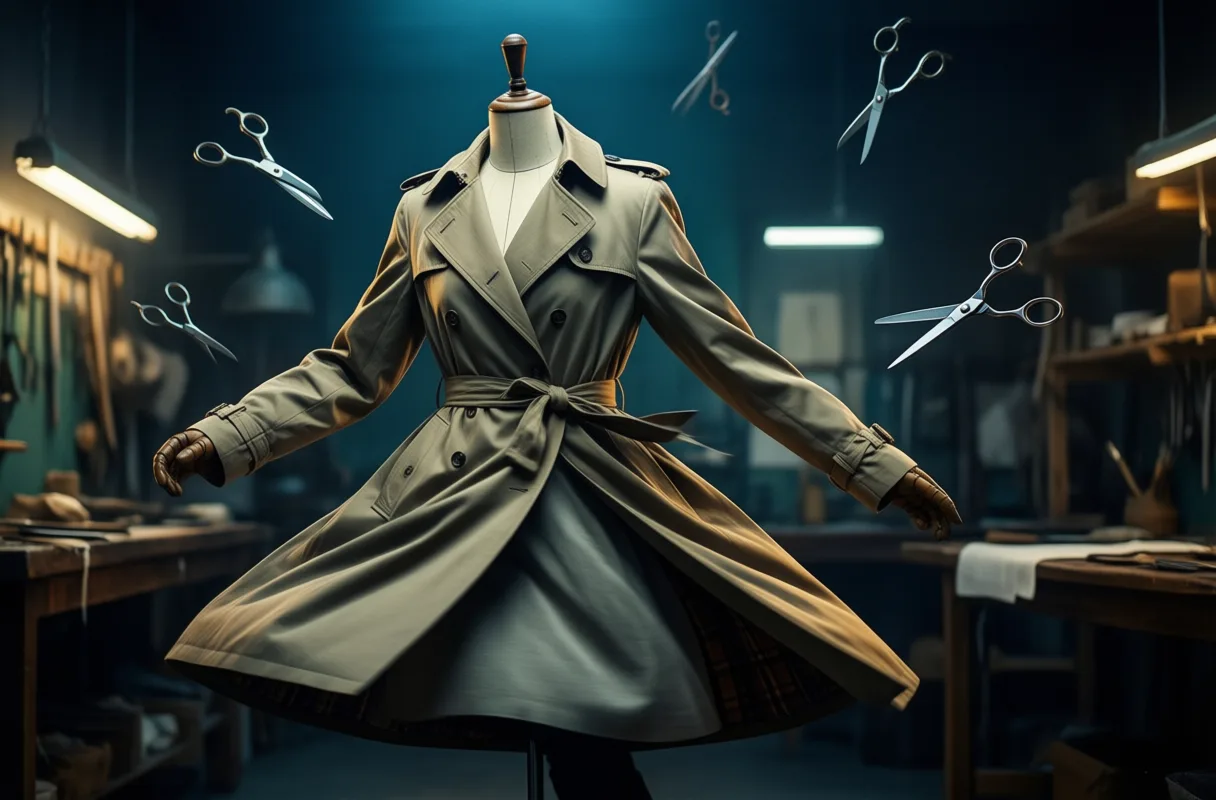
The trench coat began as military gear, designed for officers who needed Protection Without sacrificing mobility. It wasn’t made for fashion shoots-it was made for trenches, hence the name. Today, it’s been stripped of its rank insignia and polished into a staple of urban style, but the DNA remains: functional details with quiet confidence.
What makes a trench work isn’t just the look-it’s the logic behind it. The storm flap keeps water off your chest. The epaulets? Originally for holding rank pins or carrying gear. The belt cinches at the waist to keep wind out and silhouette sharp. These aren’t random design choices-they’re solutions baked into the fabric.
And yet, no one wears a trench today because they’re expecting hand-to-hand combat. They wear it because it looks cool while doing its job. It’s proof that practicality, when done right, becomes elegance.
- A well-cut trench should hit mid-thigh, never drag on the ground
- Cotton gabardine is traditional-breathable, water-resistant, durable
- Neutral tones like khaki, charcoal, or navy go with everything and age gracefully
You don’t need a war story to justify wearing one. But you should know it was built for men who couldn’t afford to fail. That legacy shows up in the way it carries itself-no logos, no flash, just structure and purpose.
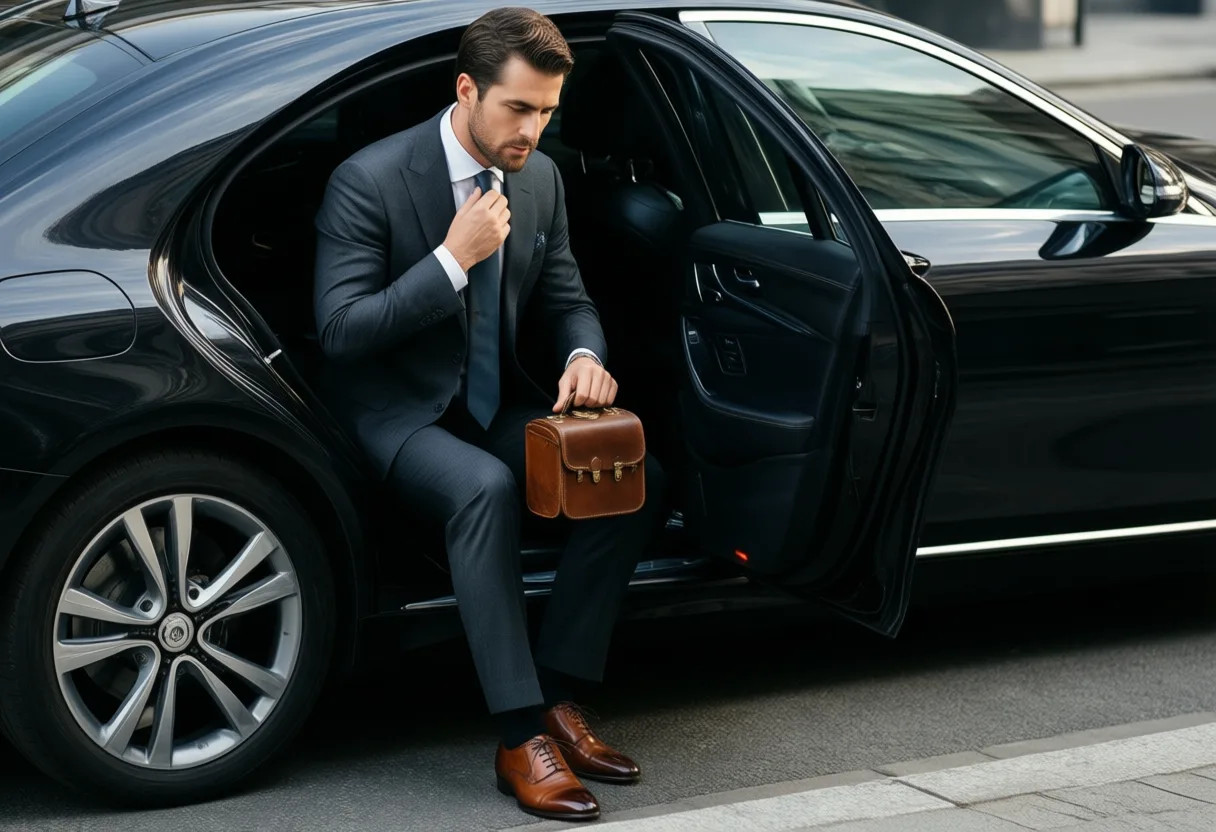
Even in cities where rain is more mood than meteorology, the trench finds its moment. Paired with dark jeans and Chelsea boots, it reads casual but intentional. Throw it over a suit, and suddenly you’re the guy who closes deals in transit.
It’s not about looking tough. It’s about being ready-without making a show of it.
Wool Coats: Built for Cold, Born to Last
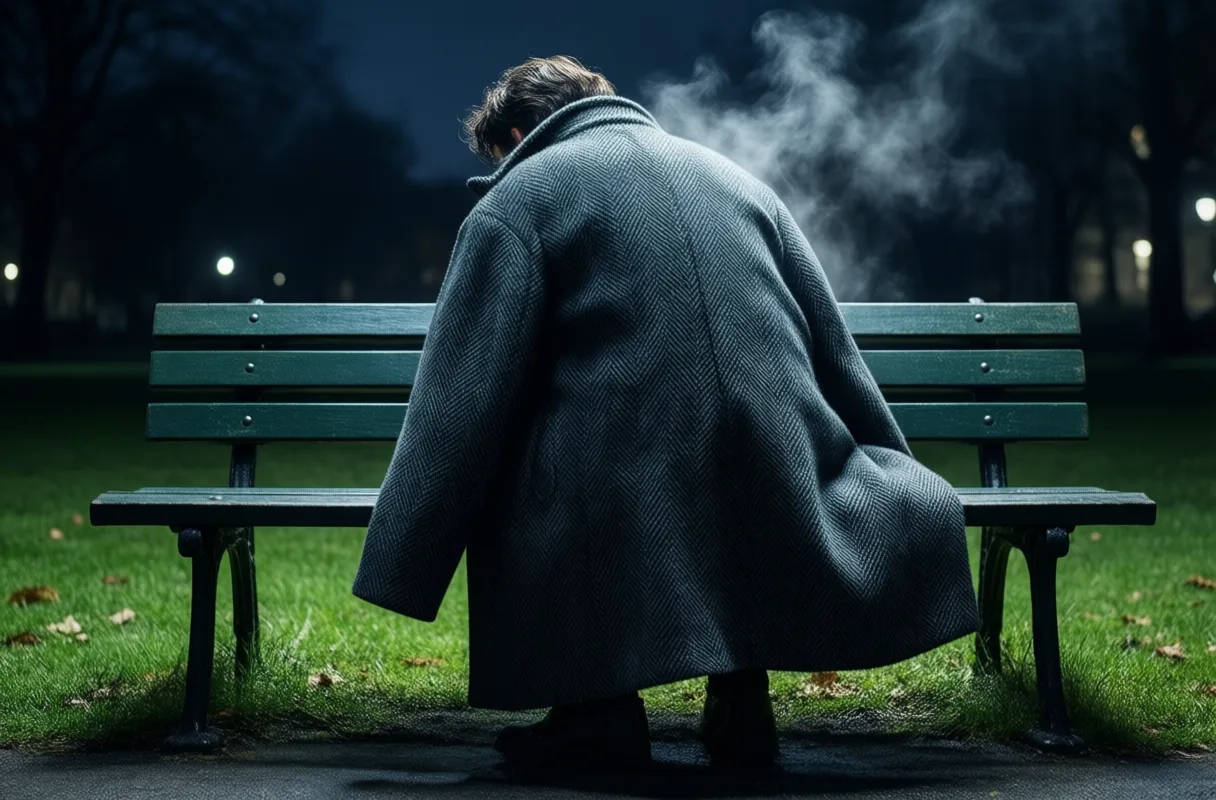
If the trench is the sleek operator, the wool coat is the steady hand-the one you rely on when winter means business. Heavy, warm, and built to last decades, a good wool overcoat doesn’t whisper. It simply Is. No gimmicks, no branding patches-just dense fabric that holds heat like a vault.
Wool has been the gold standard for cold-weather outerwear for generations, and not because people lacked alternatives. Modern synthetics may claim higher tech specs, but nothing matches the natural breathability, insulation, and dignified drape of real wool. It resists odors, manages moisture, and ages beautifully if cared for.
These coats are often double-breasted, with wide lapels and peaked shoulders-a silhouette that adds presence without padding. You don’t wear a wool coat to hide. You wear it to be seen, clearly and completely.
- Look for full lining and substantial weight-thin wool defeats the purpose
- Length matters: knee-length offers maximum warmth and formality
- Colors like charcoal, black, or camel work across seasons and settings
A wool coat is an investment in comfort and image. It costs more upfront, yes-but spread that over ten winters, and it’s less than your monthly coffee habit.
Style-wise, it’s the ultimate team player. Goes over a hoodie when you’re off-duty. Slides perfectly over a tailored coat when you’re headed to dinner. It doesn’t care what’s underneath-it elevates everything.
And unlike fast-fashion pieces that fray after one season, a quality wool coat develops character. A slight nap, a softening at the collar-these aren’t flaws. They’re proof of use, of life lived in good taste.
Men who wear wool coats well don’t chase trends. They understand that True style isn’t about standing out-it’s about standing by something.
Choosing Between Them-Or Keeping Both
So which one do you need? The answer, if you can swing it, is simple: both.
The trench is your all-rounder for spring showers, fall drizzle, and that gray zone between seasons when you need coverage without overheating. It’s light enough to carry in a train station, sharp enough for a last-minute meeting.
The wool coat is your anchor in winter. When the wind bites and daylight fades early, this is the piece that keeps you warm, composed, and quietly impressive.
Think of them like watches: one for weekends, one for weekdays. One for motion, one for moments that matter.
Your climate plays a role, sure. If you live somewhere mild, the trench might pull double duty. But if snow sticks around for months, skipping wool is like hiking without boots-possible, but unwise.
Ultimately, it comes down to how you want to move through the world. Do you want to glide through rain like you own the sidewalk? Grab the trench. Do you want to face winter like it’s just another challenge you’ve already solved? That’s the wool coat’s domain.
Either way, fit is non-negotiable. Shoulders should lie flat, sleeves should end at the wrist bone, and the coat shouldn’t puff when buttoned. If it rides up or pulls across the chest, it’s too small. If it flaps like a sail, it’s too big.
And whatever you do-don’t let price fool you into thinking cheap versions will do. A bad coat doesn’t just look bad. It makes You Feel unsure. A great one does the opposite: it settles on your shoulders like confidence you didn’t have to earn.
Final Thoughts: Wear It Like You Mean It
Clothes don’t make the man-but the right coat can reveal him.
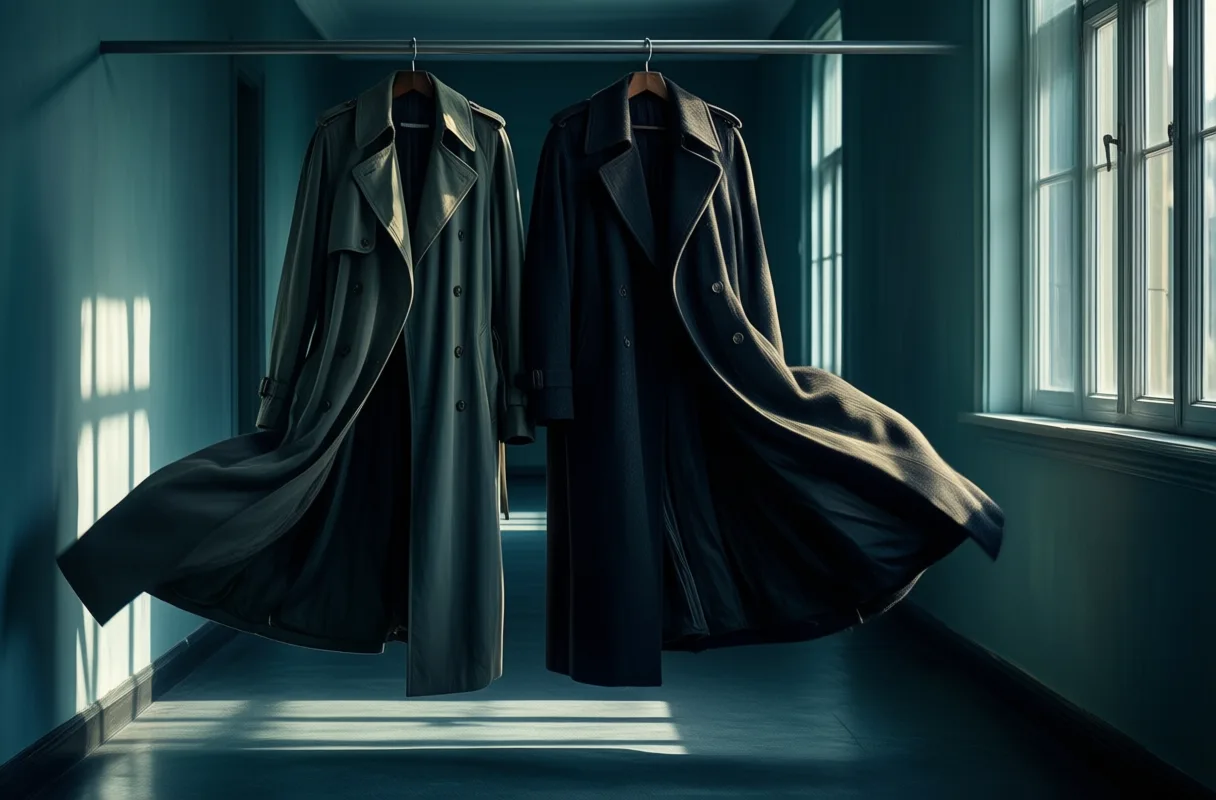
The trench and the wool overcoat have survived wars, fashion revolutions, and the rise of athleisure because they serve a real purpose. They protect, they project, and they endure. In a world full of disposable choices, they’re built to last.
You don’t wear these coats to impress strangers. You wear them because they make You Feel capable. Because when the wind kicks up and the sky turns sour, you don’t scramble for cover-you adjust the collar and keep walking.
That’s the real benefit of mastering mens overcoat styles: it’s not about looking good. It’s about feeling like the kind of guy who doesn’t need to check his reflection to know he’s ready.
| Feature | Trench Coat | Wool Coat |
|---|---|---|
| Origin | Military gear from World War I | Cold-weather staple for generations |
| Primary Use | Rain and in-between seasons | Winter cold and heavy weather |
| Key Features | Storm flap, epaulets, belted waist | Double-breasted, wide lapels, peaked shoulders |
| Ideal Length | Mid-thigh | Knee-length |
| Fabric | Cotton gabardine | Dense wool like melton |
| Color Options | Khaki, charcoal, navy | Charcoal, black, camel |
Classic Coats That Stand the Test of Time
The Trench Coat’s Wartime Roots
You might wear a trench coat for style, but its origins are all about function. Designed for military officers in World War I, the classic trench was built to handle wet, muddy battlefields. Its signature details-like the storm flap across the chest and shoulder epaulets-weren’t just fashion statements. That flap helped shed rain, while the epaulets were originally meant to anchor gear like gloves or rifles. Even the deep pockets were positioned higher than usual so water wouldn’t seep in during downpours.
Why Double-Breasted Wool Coats Stay Popular
Double-breasted overcoats became a staple in the early 20th century, thanks in part to their structured, authoritative look. The overlap of fabric not only adds warmth but also creates a sharp silhouette that’s hard to beat in colder months. Many classic wool coats use dense, tightly woven fabrics like melton, which resists wind and holds heat well-making them a go-to for decades, especially in urban environments where style and practicality go hand in hand.
The Hidden Detail in Most Trench Coats
Look closely at the back of a traditional trench coat and you’ll spot a fabric loop near the collar. It’s not a flaw or a hanger tab-it’s called a “warmer,” and it was originally used to secure the coat’s belt in place during combat. Over time, it became a signature design cue, even though most people today don’t wear their trenches belted in the same way. It’s a small detail, but one that ties modern styles directly to their battlefield beginnings. Explore more stories, videos, and creators on Loaded.
Frequently Asked Questions
What is the origin of the trench coat?
The trench coat was designed for military officers in World War I to handle wet, muddy battlefields. Its features like the storm flap and epaulets were functional, not fashionable.
Why are wool coats considered a good investment?
A quality wool coat is built to last decades, provides excellent insulation, and ages beautifully. Its cost over time is less than monthly coffee habits.
What makes a trench coat practical for rain?
The trench coat has a storm flap to keep water off the chest, a belted waist to block wind, and high-set pockets to stay dry in downpours.
How do you choose between a trench and a wool coat?
The trench coat works for spring showers and fall drizzle, while the wool coat is for serious winter cold. Climate and purpose should guide the choice.
This article was produced with AI assistance. How Granite Magazine uses AI.
Rhea examines the intersection of professional ambition and cultural identity, spotlighting how modern men navigate purpose, ethics, and growth. Her work blends narrative depth with sociological insight across industries and life stages.