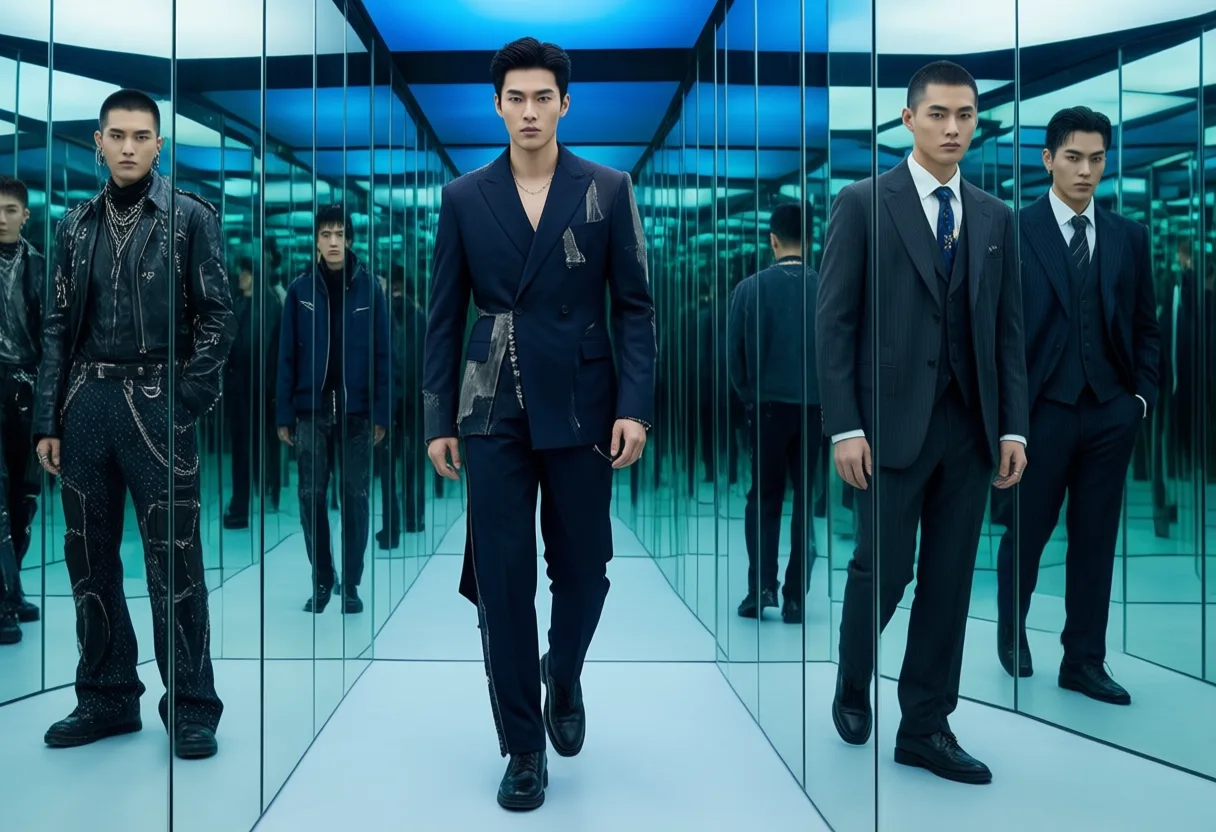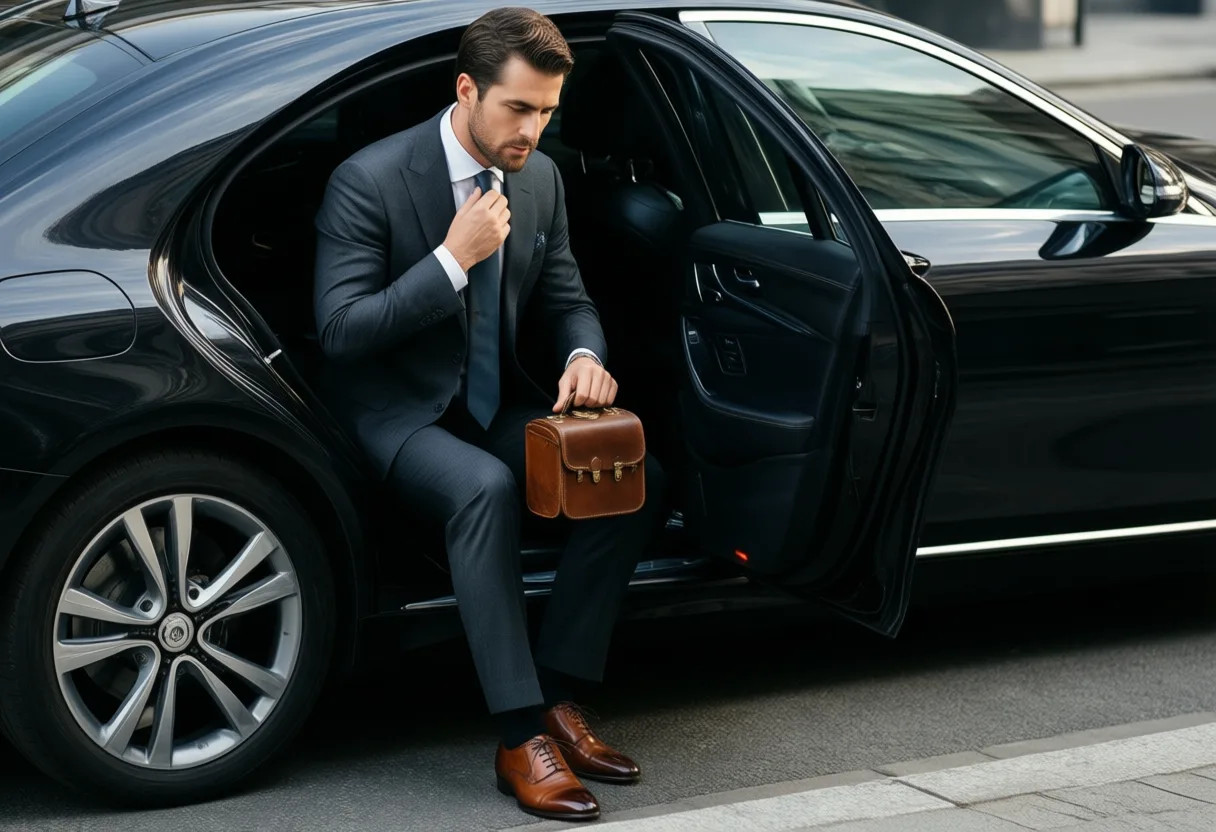

A Capsule wardrobe Isn’t about wearing the same outfit every day-it’s about mastering the art of looking sharp with less. It’s the difference between being overloaded with choices and having just the right ones. When done right, your closet becomes a streamlined toolbox of style that works as hard as you do.
What Even Is a Capsule Wardrobe-And Why It’s Not Just a Trend
A Capsule wardrobe Is a curated collection of essential clothing items that don’t go out of style and can be mixed and matched seamlessly. Think of it like your personal uniform: no decision fatigue, no wasted money, no “nothing to wear” moments. It’s built on quality over quantity, with every piece serving a clear purpose.
This isn’t some passing fad cooked up by minimalist influencers. It's a practical solution for men who value efficiency and confidence in their appearance. Whether you're flying to a client meeting or meeting friends for drinks, you’re always dressed appropriately-no last-minute wardrobe panic. Less clutter means more clarity, both in your closet and your life.
The idea isn’t to wear fewer clothes, but better ones. You’re trading random impulse buys for pieces that build on each other. That Navy suit? It works at weddings, job interviews, and fancy dinners. The white tee? It pairs with everything from chinos to jeans. This is intentional style, not randomness dressed up as freedom.
The Myth of “One Size Fits All” in Minimalist Style
Some people think a capsule wardrobe means everyone should own the exact same 10 pieces. That’s not just wrong-it’s boring. Your lifestyle, body type, and personal taste matter. A guy who works in tech startups doesn’t need the same pieces as one in corporate law, even if both want simplicity.
What stays consistent is the principle: fewer, better things. But how you apply it is where your personality shows up. Maybe you lean into earth tones and rugged textures. Or maybe you prefer clean lines and modern tailoring. The framework adapts-it’s not a prison sentence in neutral colors.
That’s why the real power of a capsule wardrobe lies in customization. You start with timeless building blocks, then personalize based on where you spend your time. Work, weekend, travel-each has its own wardrobe demands. A good capsule respects all three without requiring 50 hangers.
Why Simplicity Doesn’t Mean Sacrificing Versatility
Cutting down your wardrobe doesn’t mean cutting down your options. In fact, it does the opposite. When every piece works with multiple others, your outfit combinations multiply fast-even with fewer items.
Take a light blue button-up. Wear it under a blazer for the office, untucked with chinos for brunch, or layered under an overshirt when it’s chilly. That’s one shirt, three distinctly different looks. Now imagine that level of flexibility across your entire closet.
Simplicity clears the noise so the good stuff can shine. You stop chasing trends and start building a look that’s uniquely yours. And once you’ve got it dialed in, getting dressed becomes automatic-like muscle memory for style.
Start Here: The 15-Piece Framework That Works for Any Lifestyle
Forget complicated formulas. The sweet spot for most men is a mix of dressy and casual pieces that cover all roles: professional, relaxed, and in-between. Based on expert frameworks, the magic number is around 15 high-utility items. Two jackets, eight tops, two pants, and three Shoes Give you endless combinations.
This isn’t about strict rules-it’s about creating balance. You want enough structure to feel polished, enough comfort to relax, and enough overlap so nothing feels isolated. Build this core first, then add seasonal extras only when needed.
Stick to neutral colors and classic cuts. You’re not trying to stand out-you’re trying to show up correctly, every time. Once this foundation is solid, you’ll spend less time thinking about clothes and more time doing what matters.
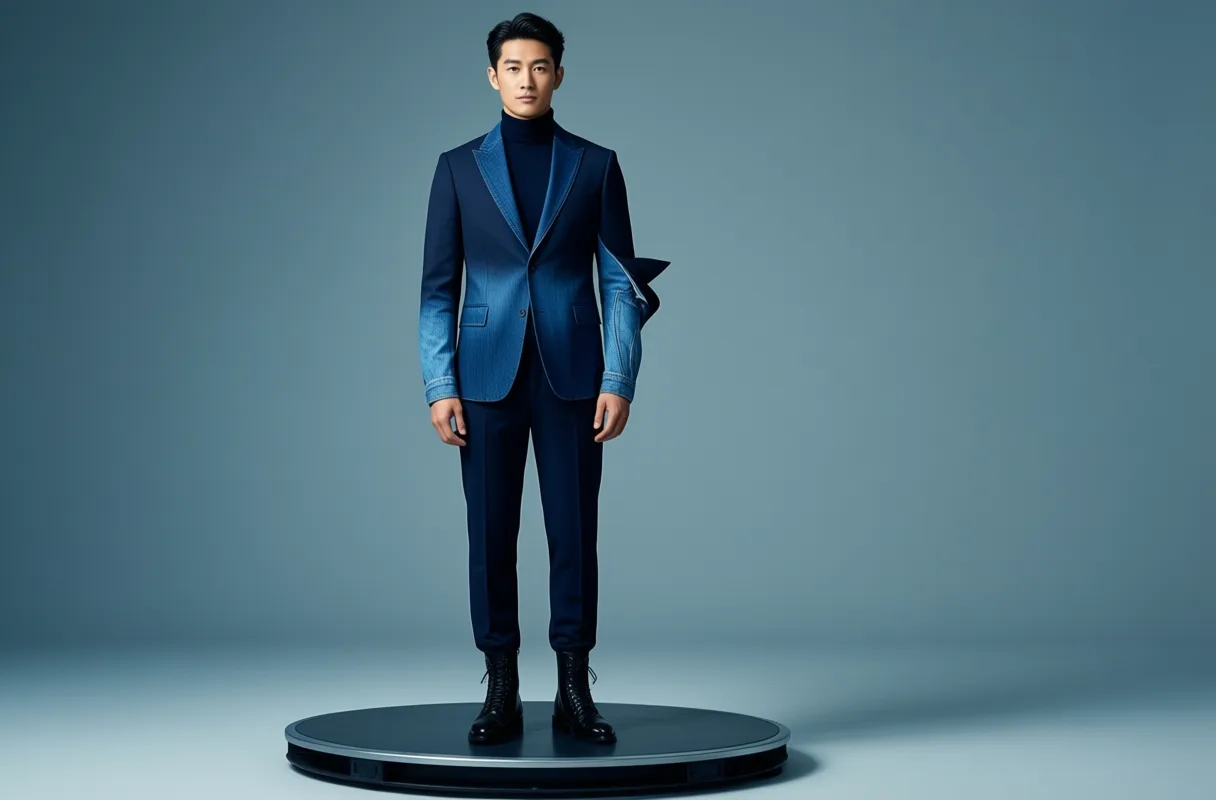
1. A Tailored Navy Suit That Pulls Double Duty
A navy blue tailored suit is the anchor of any smart wardrobe. It’s more versatile than black and dresses up or down with ease. Wear the full suit to formal events or split it-pair the jacket with chinos or jeans for smart-casual moments.
Fit is non-negotiable. Shoulders should sit flush, sleeves reveal a sliver of shirt cuff, and the trousers break cleanly at the shoe. Off-the-rack can work if tailored properly-just don’t skip the alterations.
This suit isn’t just for weddings and funerals. It’s your power move for first impressions. Interviews, dates, investor pitches-it all gets easier when you look put together without trying too hard.
2. Crisp White Dress Shirt, Ready for Anything
A white dress shirt is the ultimate utility player. It goes under your navy suit, pairs with dark denim for dinner, and can stand alone with rolled sleeves and no tie for a polished-but-relaxed look. It’s the one top that never gets old.
Look for a fabric blend that resists wrinkling but still breathes-cotton with a touch of elasticity helps with movement and recovery. And make sure the collar holds its shape, even after washing.
Keep it clean, keep it ironed, and never underestimate its power. A white shirt says you care about details, even if everything else is simple. It’s the blank canvas every standout outfit starts with.
3. Light Blue Button-Up for Smart-Casual Balance
The light blue button-up softens the formality of white while still looking intentional. It’s perfect for days when you want to look sharp but not stuffy. Pair it with grey chinos and brown shoes for a meeting, or with jeans and Sneakers For weekend errands.
This shade flatters most skin tones and works year-round. In summer, it reflects sunlight. In winter, it layers well under jackets and sweaters. Plus, it doesn’t show sweat stains as much as white-practicality wins again.
Having both white and light blue gives you flexibility without clutter. You’re not repeating the same shirt daily, but you’re not drowning in options either. It’s balance.
4. Versatile Chinos in a Neutral Tone
Chinos bridge the gap between dress pants and jeans. Opt for a neutral tone like beige, stone, or olive-something that pairs with both dark and light tops. Avoid anything too bright or trendy.
A good pair should feel comfortable but hold their shape. Cotton twill gives structure without stiffness, and a slight taper modernizes the look. Flat front keeps it clean; pleats are best left in the ‘90s.
Wear them with a polo for backyard BBQs, a button-up for casual Fridays, or even under a blazer if the occasion calls for it. They’re the quiet hero of your closet.
5. Dark Wash Denim That Never Looks Out of Place
Dark wash denim is the closest thing men have to a universal pass. It works in bars, boardrooms, and everything in between. Unlike faded or ripped jeans, it looks intentional and appropriate just about anywhere.
Go for a straight or slight slim fit-something that doesn’t restrict movement but doesn’t bag out at the knee. Stretch is fine, but keep it under 3% so it still feels substantial.
Break them in, then keep them clean. Once they’re worn in, you’ll hit that sweet spot: broken-in comfort with polished appearance. They’re the jeans you can wear when you mean business.
6. Classic Crewneck in Merino Wool or Cotton
A crewneck sweater is quiet luxury in clothing form. In merino wool, it’s warm but breathable-ideal for layering in fall and winter. In heavy cotton, it’s a standalone piece for cooler evenings.
Stick to solid colors: charcoal, navy, or cream. These go with everything and avoid dating your look. A v-neck might seem like a good idea, but it’s harder to style and shows more wear.
Drape it over your shoulders at a rooftop party or wear it solo with chinos and loafers. It instantly raises the formality level without saying a word. This is the sweater people notice without knowing why.
7. Lightweight Overshirt for Effortless Layering
An overshirt-whether in chambray, flannel, or twill-is the ultimate in functional style. It’s warmer than a shirt, lighter than a jacket, and slides perfectly between a tee and a coat.
Wear it open over a t-shirt for texture, or buttoned up like a casual jacket. In spring and fall, it’s often all the outerwear you need. Olive, navy, or classic plaid keeps it versatile.
It’s also one of the easiest ways to look put together without much effort. Toss it on, and suddenly your outfit has depth. That’s the power of a well-placed layer.
8. Well-Fitted Grey Henley for Low-Key Days
A grey henley strikes the right balance between relaxed and refined. The collarless design is more interesting than a crew neck, and the buttons add subtle detail. It’s the go-to when you want to look like you tried-but not too hard.
Cotton or cotton-blend fabric ensures durability and comfort. Long sleeve works year-round; roll the sleeves for a more casual vibe. Dark grey is stealthy-goes with almost anything and hides wear well.
Pair it with dark jeans and boots, or layer under a field jacket. It’s the kind of shirt that becomes a staple without announcing itself. The best clothes are the ones no one comments on-but everyone notices.
9. Premium White T-Shirt Built to Last
Not all white t-shirts are created equal. You need one made from substantial fabric-something that doesn’t turn sheer when it gets wet. A blend of cotton with a touch of polyester or rayon holds shape and resists pilling.
A crew neck with a fitted but not tight cut works best. It should sit cleanly under an overshirt or jacket, not bunch up or gape. Short sleeves that hit mid-bicep keep it classic.
Own at least two. Rotate them so they last longer. Wash in cold, hang dry, and they’ll stay crisp for years. This isn’t just a tee-it’s the foundation of half your casual looks.
10. Black or Brown Leather Dress Shoes
A quality leather shoe finishes any formal or semi-formal outfit. Black works with suits. Brown pairs beautifully with chinos and navy blazers. Having one of each covers most scenarios.
Go for a classic oxford or derby style-nothing flashy. Polished leather ages well and can be maintained. Invest in a good conditioner and shoe trees to keep them from cracking.
These aren’t for the gym or hiking trails. They’re for when you want to signal: “I’m ready.” Well-kept shoes Elevate even a simple suit. Neglected ones drag down an otherwise perfect look.
11. Clean White Sneakers for Everyday Wear
White sneakers are the most reliable casual footwear you can own. They go with jeans, chinos, shorts-basically everything below the waist. Keep them clean, and they look intentionally minimal. Let them get scuffed, and they look lazy.
Leather or premium canvas holds up better than mesh. A low-top silhouette is more versatile. Brands matter less than condition-scrub them regularly.
They’re the sneaker equivalent of a neutral background: makes everything else pop. Wear them to the cafe, the airport, or a casual office. Just don’t wear dress socks with them unless you’re going for irony.
12. Rugged Boots That Handle Rain, Gravel, and City Streets
When weather turns or terrain gets rough, you need boots. A solid pair of leather boots-chukkas or service-style-handles rain, gravel, and uneven sidewalks without complaint.
Water-resistant, with a sturdy sole and comfortable insole, they’re built for miles. Dark brown or black leather blends with both casual and dressed-up outfits. They break in over time and look better with wear.
They’re not for suits, but they work with everything else. Jeans, chinos, trousers-even a blazer if you’re going for a rugged-elegant contrast. This is the shoe that says you’re prepared.
13. Unstructured Blazer in Earthy or Navy Tone
An unstructured blazer is lighter and more flexible than a suit jacket. No padding, no stiffness-just clean lines and comfort. It’s meant to be worn casually, not at formal events.
Choose earthy tones like olive, tan, or navy. These work with jeans and chinos alike. Linen or cotton blends keep it breathable in warmer months.
Toss it over a t-shirt for dinner or layer it on top of a button-up for the office. It instantly raises your style IQ without making you feel overdressed. It’s the jacket that doesn’t try too hard.
14. Field Jacket or Utility Layer for Cool Weather
A field jacket or utility jacket is the go-to when it’s too cold for an overshirt but too casual for a coat. It’s tough, functional, and packed with pockets-even if you never use them.
Classic colors include olive, black, or navy. Water-resistant fabric handles drizzle and wind. The silhouette should allow room for a sweater underneath without strain.
Wear it with jeans and a henley for weekend errands, or over a shirt and chinos for a coffee run. It’s the outerwear version of a Swiss Army knife-simple, useful, never out of place.
15. Weekend-Ready Polo in a Solid Color
A well-fitted polo shirt bridges the gap between casual and sharp. In a solid color-navy, black, or grey-it pairs with chinos or shorts and looks better than a t-shirt when you need to step it up.
Cotton piqué gives it texture and breathability. A collar that holds its shape is key. Short sleeves, no pocket-or a minimal one at most.
It’s perfect for weekend lunches, golf outings, or traveling. Looks better than a graphic tee, less formal than a button-up. The Goldilocks of shirts.
How to Mix and Match Without Looking Repetitive
The real test of a capsule wardrobe isn’t how many pieces you have-but how many ways you can combine them. The goal is variety that feels effortless, not chaotic. When everything works together, repetition disappears.
Layering is your secret weapon. A white tee under a henley under an overshirt creates depth. Swap the shoes, and it’s a new outfit. A blazer over a polo instantly shifts the vibe.
Stick to a cohesive color palette-neutrals with a few accent tones-and you’ll avoid clashing. Everything mixes. Nothing sticks out. You look intentional, not like you overthought it.
Build Outfits Around Three Core Roles: Work, Weekend, Travel
Design your capsule around the three main roles you play. Each one has a dress code, and your clothes should adapt.
For Work, lean into the suit, dress shirts, chinos, and leather shoes. Add the blazer or sweater for extra polish. This is where looking capable matters most.
For Weekend, go casual: jeans, t-shirts, sneakers, henleys, field jackets. You’re relaxed but not sloppy. The polo and overshirt keep things elevated without stiffness.
For Travel, pick pieces that layer, resist wrinkles, and look decent after hours in transit. Dark denim, merino crewnecks, white sneakers, and the field jacket are travel MVPs. You’ll step off the plane looking like you belong.
Cover these three zones, and you’re covered everywhere.

Fabric Choices That Make or Break Your Rotation
The materials you wear affect comfort, durability, and how long clothes last. Pick wisely, and your wardrobe ages like fine leather. Pick poorly, and everything wrinkles, pills, or smells after one wear.
Go for natural fibers whenever possible. Cotton breathes. Linen cools in heat. Merino wool regulates temperature and resists odor-even after multiple wears. These fabrics feel better and last longer.
Avoid cheap synthetics that trap sweat and degrade fast. A little stretch is fine, but don’t let polyester dominate. You’re not building a gym bag collection-you’re building a wardrobe.
Clothes should work with your body, not against it. If it itches, overheats, or sags by noon, it fails the test.
Stick to Natural Fibers That Age Well and Breathe
Cotton is the baseline for shirts, tees, and chinos. It’s soft, breathable, and takes dye well. High-thread-count cotton lasts longer and feels more luxurious.
Merino wool is a game-changer for knitwear. It’s lighter than regular wool, doesn’t scratch, and can be worn multiple times without washing. Perfect for layering in unpredictable weather.
Linen brings texture and cools you down. It wrinkles easily, but that’s part of its charm-looks lived-in, not broken. Best for spring and summer shirts and pants.
When natural fibers wear out, they do it gracefully. They fade, soften, and develop character. Synthetic fabrics just fall apart or look cheap. Invest in what ages well.

The Hidden Rules of Fit, Color, and Timelessness
Most men focus on brand or price when buying clothes. The ones who look consistently good focus on fit, color, and timelessness. These are the quiet rules that separate sharp dressing from fashion noise.
Fit isn’t just about size-it’s about proportion. Sleeves should end at the wrist. Shoulders should align with yours. Pants should skim the shoe without pooling. When clothes fit well, they look expensive, even if they’re not.
Color is about cohesion. Stick to a palette of neutrals-navy, grey, white, brown, olive. These mix and match effortlessly. Add one or two accent colors if you want, but don’t let them dominate.
Timelessness beats trendiness every time. Trends fade. A navy suit, white shirt, and dark jeans stay relevant. Build around classics, then tweak as needed.
Prioritize Cut Over Brand-Every Single Time
It doesn’t matter if your shirt says “luxury” on the label if it bunches at the shoulders. A $200 shirt that fits poorly looks worse than a $50 one that fits right.
A sharp cut creates shape. It defines your torso, tapers the waist, and gives structure. Off-the-rack is fine-alterations make it custom. A tailor is the cheapest upgrade you’ll ever make.
Brands change designs, logos, and quality. Cut stays constant. Learn what silhouette works for your body, then stick to it.
You’re not buying a label-you’re buying an outcome: Confidence, ease, and readiness. Cut delivers that. Brand just adds noise.
Beyond the Hangers: Maintaining a Wardrobe That Stays Fresh
Your capsule isn’t a one-time project-it’s a system. The real work starts after you buy the pieces. How you care for them determines how long they last and how good they look.
Rotate your clothes. Don’t wear the same jeans two days in a row-fabric needs rest. Wash only when needed. Overwashing kills fibers and fades colors too fast.
Store shoes with trees. Hang suits and jackets. Fold knits to avoid stretching. A little maintenance goes a long way.
Keep your capsule lean. No impulse buys. If you want to add something, remove something. That discipline is what keeps it working.
A great wardrobe doesn’t happen by accident. It’s designed, maintained, and refined over time. When it clicks, getting dressed isn’t a chore-it’s a highlight.
| Category | Essential Pieces | Key Features |
|---|---|---|
| Jackets | Navy suit, unstructured blazer | Tailored fit, works dressed up or down |
| Tops | White dress shirt, light blue button-up | Neutral tones, pairs with multiple bottoms |
| Tops | White tee, henley, polo | Solid colors, breathable fabrics |
| Tops | Crewneck sweater, overshirt | Layering pieces in merino wool or cotton |
| Pants | Chinos, dark wash denim | Neutral tones, versatile for all settings |
| Shoes | Dress shoes, white sneakers, boots | One formal, one casual, one rugged option |
Building a Smarter, Leaner Closet
Start with the Foundation, Not the Flash
Forget chasing trends-building a capsule wardrobe is like setting up a reliable toolkit for your daily life. The idea isn’t to cut everything down to the bare minimum, but to focus on pieces that actually work together. A solid starting point? Nail the basics: two jackets (one dressy, like a navy blazer, and one casual, like a chore coat), a mix of eight tops ranging from tees to button-ups, two pairs of pants (think chinos and dark denim), and two solid shoe choices-one casual, one dressier. This simple formula covers most scenarios without overcomplicating your morning routine.
Quality Layers Make All the Difference
One of the quiet game-changers in a tight wardrobe is layering. Instead of piling on random pieces, invest in versatile layers like an overshirt, a crewneck sweater, or a lightweight jacket. These aren’t just for warmth-they add depth to simple outfits and help stretch a few shirts across more occasions. Natural fabrics like cotton, linen, and Merino wool shine here, since they’re breathable, easy to mix, and often need less fussing over. And don’t sleep on knitwear; a well-fitting sweater can dress up jeans or tone down a suit, making it one of the most flexible items you’ll own.
Design for Real Life, Not a Photoshoot
The best capsule wardrobes aren’t built in a day-they’re shaped by how you actually live. Whether you’re dressing for the office, weekend errands, or a quick trip, your clothes should adapt. That’s why some of the most effective capsule builds focus on three real-world needs: corporate-ready looks, relaxed weekend wear, and travel-friendly outfits. A navy suit, for instance, isn’t just for meetings-it can be broken up, with the jacket paired over a T-shirt or the pants worn with a sweater. When each piece pulls double duty, you end up with more options, not fewer.
Frequently Asked Questions
What is a capsule wardrobe for men?
A capsule wardrobe is a curated collection of essential clothing items that are timeless and can be mixed and matched easily. It focuses on quality over quantity, ensuring every piece serves a clear purpose and works across multiple occasions.
How many pieces should a men's capsule wardrobe have?
A versatile men's capsule wardrobe typically includes around 15 high-utility items. This includes two jackets, eight tops, two pants, and three shoes, creating endless outfit combinations for various lifestyles.
What are the best colors for a capsule wardrobe?
Neutral colors like navy, grey, white, brown, and olive are ideal. These shades mix and match effortlessly and form a cohesive wardrobe that avoids clashing while maintaining a polished appearance.
Can a capsule wardrobe work for different lifestyles?
Yes, a capsule wardrobe can be customized for different lifestyles. While the core pieces remain timeless, personal taste, body type, and daily activities shape how the wardrobe is adapted for work, weekend, or travel.
This article was produced with AI assistance. How Granite Magazine uses AI.
Rhea examines the intersection of professional ambition and cultural identity, spotlighting how modern men navigate purpose, ethics, and growth. Her work blends narrative depth with sociological insight across industries and life stages.