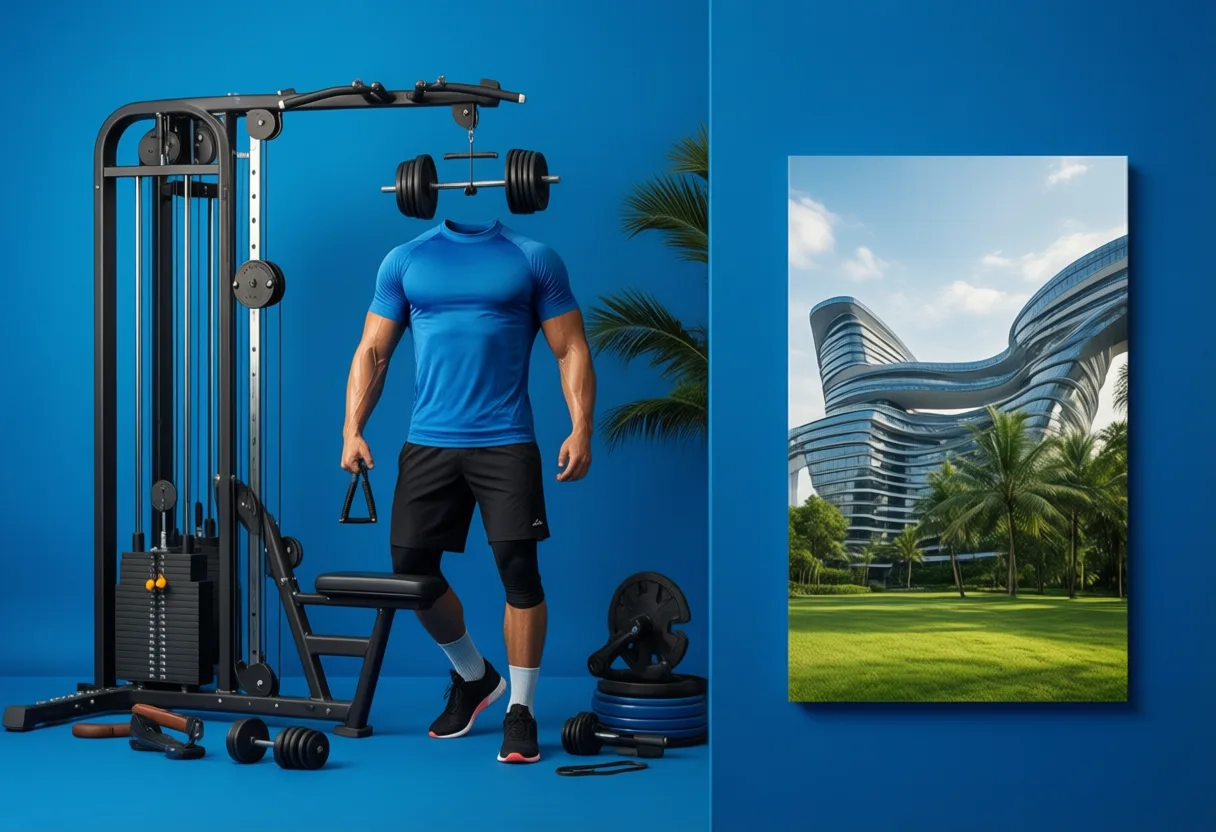

You don’t need to run faster, climb higher, or lift more than you did at 30. You just need to move smarter. And for men who still want to feel sharp in their clothes, confident in a room, and capable in a crisis, fitness after 50 isn’t about chasing youth-it’s about mastering maturity.
The Real Shift Happens Quietly
Nobody hands you a manual when you cross 50. No warning siren. One day you reach for something on a high shelf and your shoulder twinges like an old radio tuning out. That’s not failure. It’s feedback. Your Body Isn’t breaking down-it’s recalibrating, like a luxury watch that still ticks perfectly but needs a different kind of winding.
The men who stay strong, agile, and energized aren’t the ones grinding through punishing workouts. They’re the ones who listen. They train with purpose, not punishment. Strength Isn’t measured in reps anymore-it’s measured in resilience. And the best moves aren’t the loudest.
You don’t need to deadlift a car. You need to carry the groceries, play with your kids or grandkids, and walk through an airport without looking like you’re auditioning for a medical drama. That kind of fitness is built on consistency, not catastrophe. And it starts with admitting that Recovery Isn’t a reward-it’s part of the work.
Strength: Not Just Muscle, But Momentum
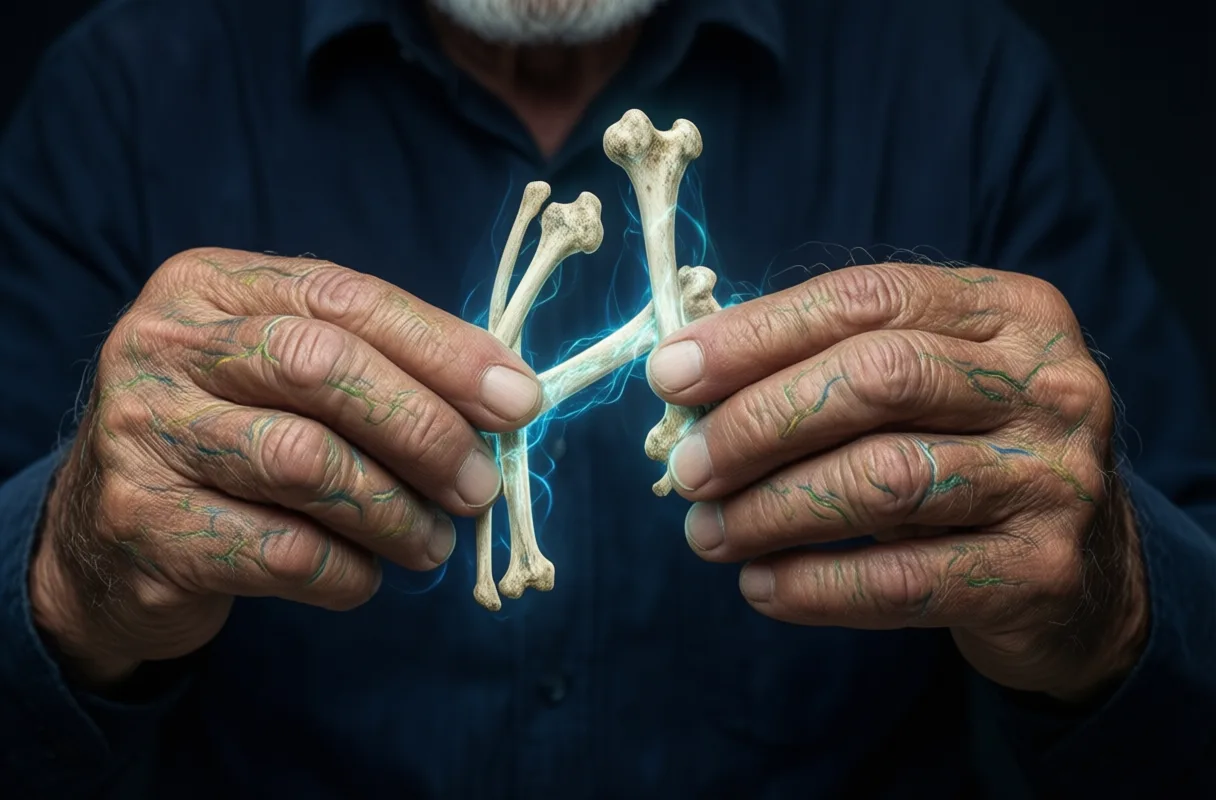
Lifting weights at 50 isn’t about getting jacked. It’s about staying relevant. Muscle mass Declines naturally with age, but resistance training slows that slide like a handbrake on a hill. The goal isn’t size-it’s staying power. You want bones that don’t crack under pressure and joints that don’t quit mid-sentence.
Compound movements-squats, presses, rows-are your foundation. They work multiple systems at once, like a well-orchestrated team meeting where everyone pulls their weight. You don’t need to go heavy every time. In fact, going lighter with better form often delivers sharper results. And it keeps you in the game longer.
- Focus on controlled, full-range motion
- Prioritize balance between push and pull
- Train two to three times a week with rest in between
Your body isn’t asking for more effort. It’s asking for better signals. Think of Strength training As coding-clean syntax, no bugs. And if you’re not sweating, that’s fine. Sweat is overrated. The real burn is long-term, quiet, and cumulative.

Mobility: The Silent Game-Changer
You can have the shoulders of a linebacker and still struggle to scratch your back. That’s why mobility isn’t optional-it’s the difference between moving freely and moving carefully. And freedom is the whole point. The men who age well aren’t the ones who look good in a mirror. They’re the ones who can tie their shoes without groaning.
Static stretching has its place, but dynamic movement builds real-world function. Think hip circles, shoulder rolls, cat-cow flows-the kind of drills that feel like warm-up but deliver long-term payoff. Ten minutes a day with intention beats an hour once a month with guilt.
Yoga and tai chi aren’t just for people who drink kombucha and meditate at dawn. They’re for anyone who wants to stay loose, grounded, and coordinated. You don’t need to chant or burn sage. Just show up, move slowly, and pay attention. Your nervous system will thank you.
And let’s be honest-Looking good in tailored trousers means nothing if you can’t bend down to adjust the hem. Mobility isn’t vanity. It’s victory in disguise.
Recovery: Where the Magic Lives
Here’s the secret no one shouts about: recovery is where progress happens. Not in the gym. Not on the track. In the quiet hours when you’re doing nothing, your body rebuilds, recalibrates, and returns stronger. Sleep, nutrition, hydration-these aren’t side dishes. They’re the main course.
Most men treat recovery like an afterthought. They train hard, eat whatever’s convenient, and wonder why they feel drained. But the body isn’t a machine that runs forever on fumes. It’s more like a vintage sports car-beautiful, powerful, but particular about its fuel and maintenance.
- Aim for seven to eight hours of quality sleep
- Hydrate early and often-don’t wait for thirst
- Eat whole foods with intention, not impulse
And don’t underestimate the power of stillness. Meditation, breathwork, even sitting quietly with a glass of something good-these aren’t luxuries. They’re tools. Like After, where the quiet moments reveal the most, the real transformation in men's fitness after 50 happens when you stop chasing intensity and start honoring rhythm.

The Long Game Is the Only Game
Fitness at this stage isn’t about proving anything. It’s about preserving what matters-energy, presence, confidence. The men who thrive aren’t the ones clinging to their 30-year-old physique. They’re the ones who adapt, evolve, and invest in the long arc.
You don’t need to go viral. You don’t need to impress strangers. You just need to feel capable, every single day. That’s the real win. And it’s within reach-if you stop fighting your body and start working with it.
So train smart. Move often. Rest deeply. The goal isn’t to look like you did in your twenties. It’s to feel like the best version of who you are now.
Staying Strong, Steady, and Bouncing Back
Hitting 50 doesn't mean dialing down; it means tuning up. Your body changes, sure, but that doesn't mean you have to trade in your sneakers. In fact, focusing on strength, mobility, and recovery becomes your secret weapon for feeling better, moving easier, and staying independent. Think of it less as fighting aging and more as smart maintenance for a well-loved, high-performance machine.
Why Your Muscles Crave Lifting More Than Ever
You naturally start losing muscle mass around age 30, and that loss speeds up After 50. But here’s the cool part: strength training isn't just helpful, it's essential. Lifting weights or using resistance bands can actually reverse this trend, building muscle and boosting your metabolism. This isn't just about looking good in a t-shirt; stronger muscles support your joints, improve balance to prevent falls, and make everyday tasks like carrying groceries or playing with grandkids feel effortless.
Move It or Lose It: The Mobility Mindset
Ever feel stiffer in the morning? That’s not just in your head. Joints can lose lubrication and tissues become less elastic over time. But skipping movement only makes it worse. Regular stretching, yoga, or dedicated mobility drills keep you limber. Think of it like oiling the hinges on a door – it just works better. Simple practices like spending a few minutes each day moving your joints through their full range can make a noticeable difference in how you feel getting out of the car or reaching for a high shelf.
The Secret Sauce You Can’t Skip: Recovery
You might not bounce back from a tough workout as quickly as you did at 30, and that’s totally normal. Recovery isn't a sign of weakness; it's when your body actually gets stronger. This means prioritizing quality sleep, staying hydrated, and giving sore muscles time to repair. Skipping this step is like revving your engine constantly without ever stopping for gas. Listen to your body – those extra few days of rest aren't lazy, they're strategic, setting you up for long-term gains.
Frequently Asked Questions
Why is strength training important for men over 50?
Strength training helps slow the natural decline of muscle mass and supports bones and joints. It improves balance, prevents falls, and makes everyday tasks easier.
How does mobility benefit men after 50?
Mobility keeps joints limber and tissues flexible, improving real-world movement. Practices like stretching, yoga, and dynamic drills help maintain independence and ease daily activities.
What role does recovery play in fitness after 50?
Recovery is when the body rebuilds and grows stronger. Prioritizing sleep, hydration, and rest allows muscles to repair and supports long-term progress.
How often should men over 50 train with weights?
Training two to three times a week with rest in between is ideal. This supports strength gains while allowing time for recovery.
This article was produced with AI assistance. How Granite Magazine uses AI.
Quinn explores the nuances of men’s fashion and personal care with a focus on timeless elegance and modern practicality. They emphasize sustainable choices, intelligent design, and the psychology behind how men present themselves in evolving social landscapes.