Men’s Style Has always been a power move. From corsets (yes, really) to crisp minimalism, what we wear tells the world who we are-before we even speak. Let’s walk through the decades, not like historians, but like guys who appreciate a sharp look and a good story.
The Victorian Era: When Men Wore Armor (And It Wasn’t Cool)
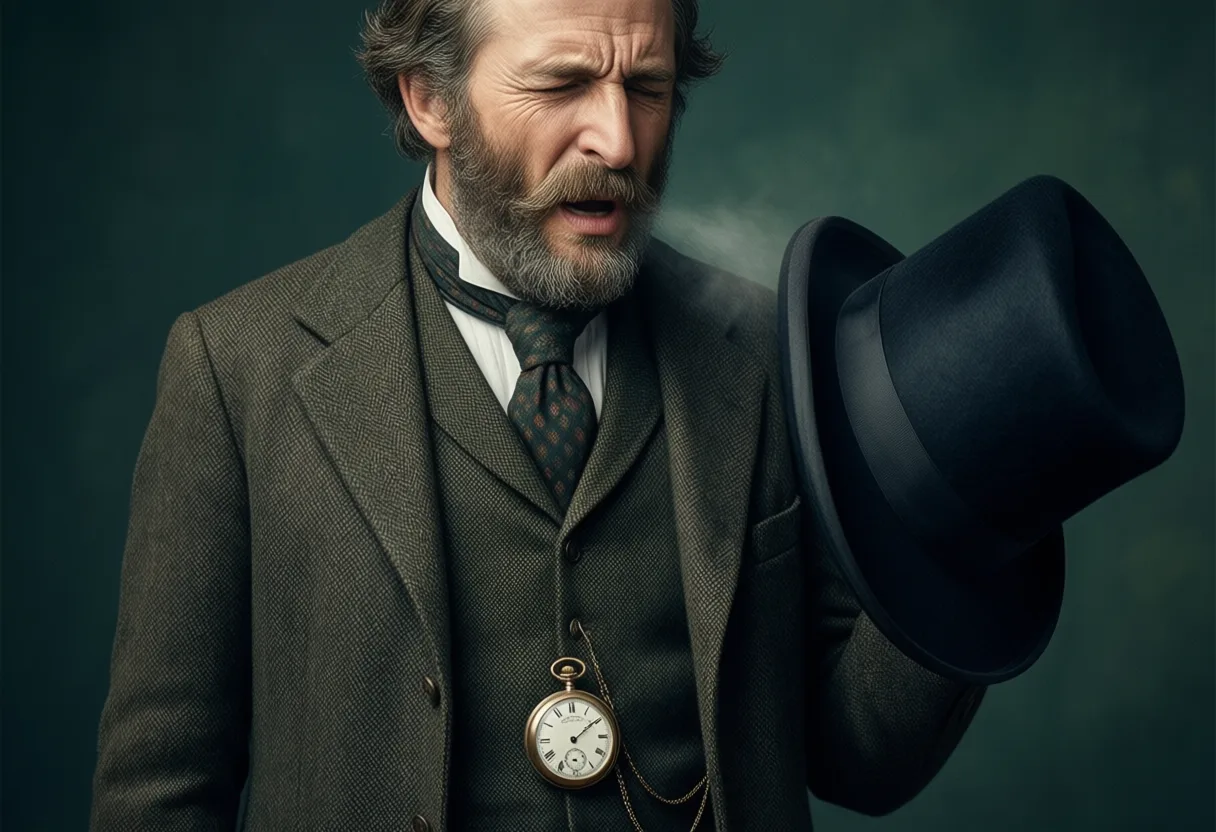
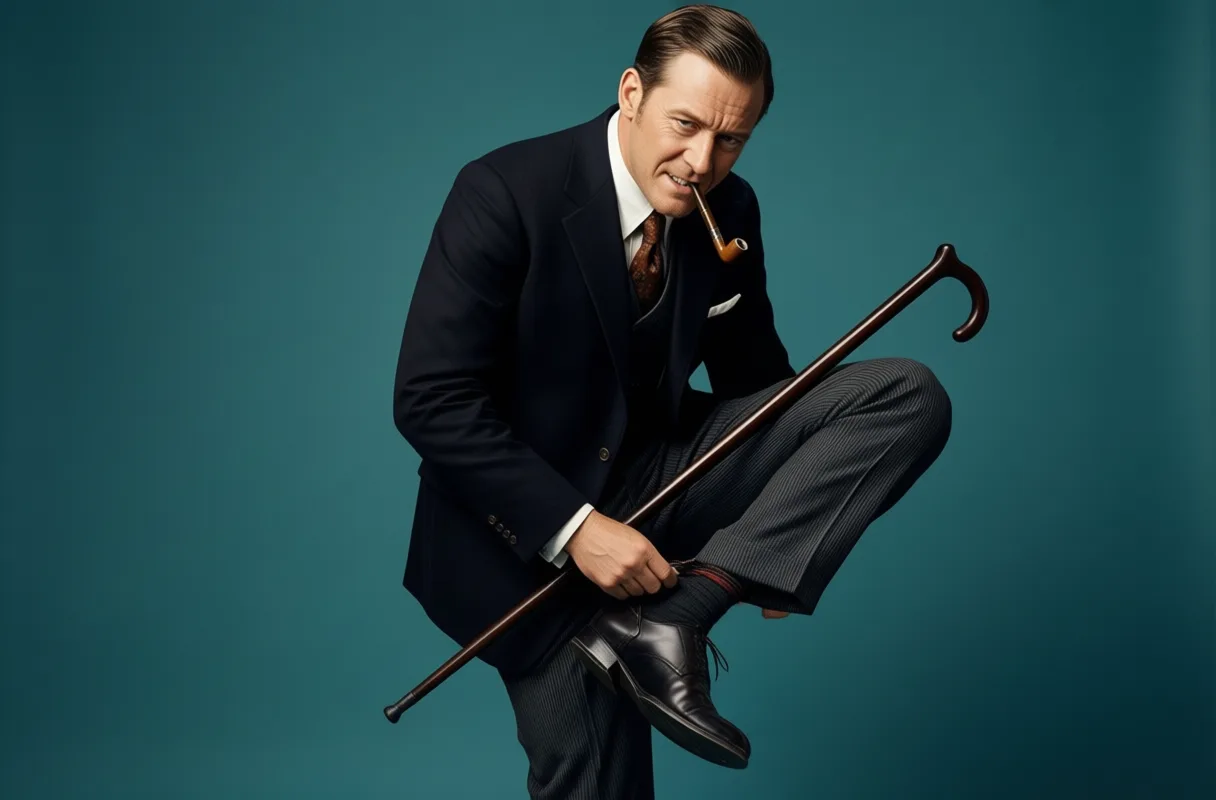
Picture this: 1870s London. Fog rolls in, carriages clatter, and every man looks like he’s about to inherit a fortune-or a curse. The Victorian era wasn’t about comfort. It was about Status, structure, and surviving three layers of wool in summer. Suits were built like fortresses-high collars, waistcoats, frock coats, and trousers so tight you couldn’t sneeze without permission.
Shirts were stiff, often white, and always buttoned to the neck. Accessories? Oh, they had them. Pocket watches, canes, top hats-the full “I own land and a butler” ensemble. Grooming was serious business too. Beards weren’t a trend; they were a requirement. A clean-shaven face? That was for actors or rebels.
This was a time when Clothes defined your place in society, and Fashion Was less about expression and more about conformity. But hey, at least they had dignity. Today’s version? Maybe a well-tailored suit from a collection like Mens Fashion Suits Tailored for Modern Professional Style-same authority, zero corsets.
The Roaring Twenties: Sharp Cuts and Looser Rules
When the 1920s hit, men exhaled. The war was over, jazz was loud, and suddenly, rules had wiggle room. The suit evolved-shorter jackets, wider lapels, and trousers with a bit more swing. The double-breasted blazer made its grand entrance, and the fedora became the unofficial crown of the modern man.
Style got personality. You weren’t just dressing for your class-you were dressing for your vibe. The “I’m rich but I party” look was born. Think pinstripes, two-tone shoes, and pocket squares that didn’t match your socks (on purpose). This was the first real hint that menswear could be fun.
Shirts loosened up too-literally. The stiff Victorian collar gave way to soft fronts and spread necks, perfect for tying a proper knot. Whether you were closing deals or dancing till dawn, there was a look for it. And if you’re Building A wardrobe today, you’ll want options like those in Mens Fashion Shirts For Every Occasion And Style Preference-because versatility wins every time.
Mid-Century Cool: From Hollywood to the Office
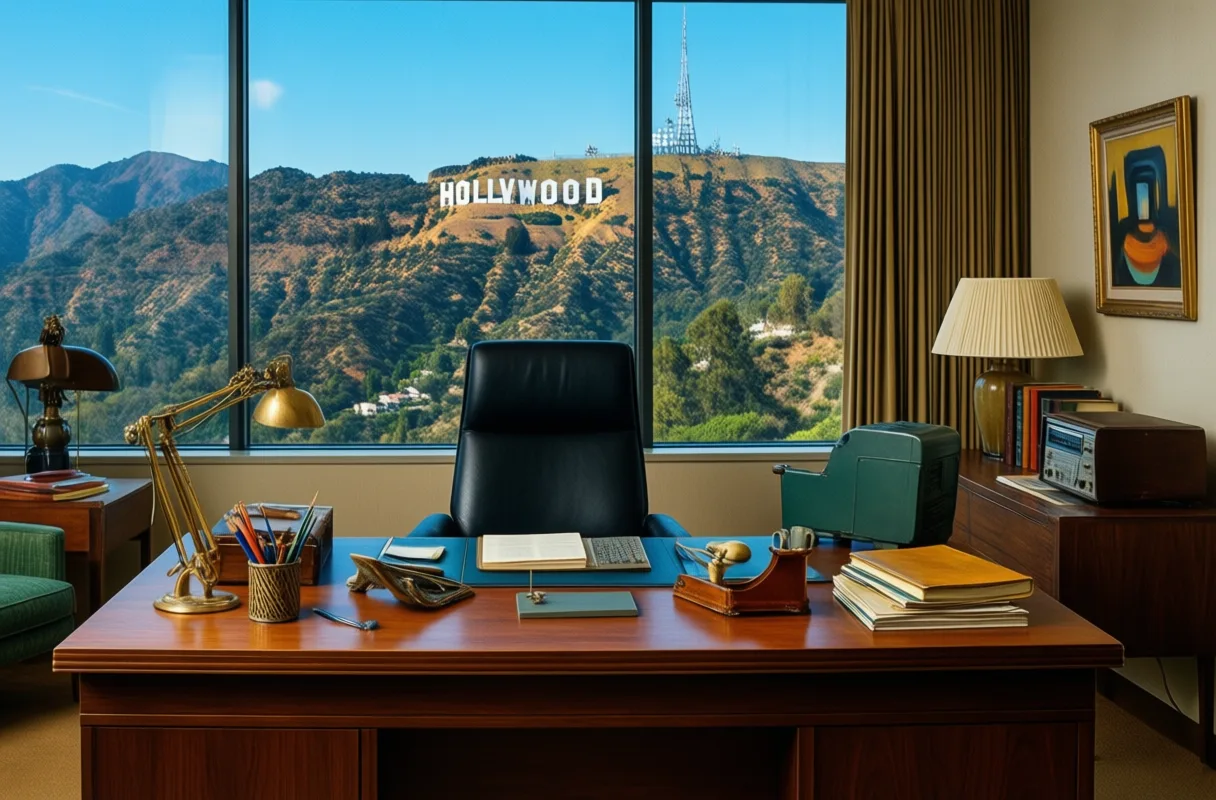
Post-WWII, men’s fashion hit its golden age. Hollywood icons like Cary Grant and Steve McQueen didn’t just wear clothes-they weaponized them. The single-breasted suit, slim but not skinny, became the standard. It said, “I’m put together, but I don’t try too hard.” Spoiler: women noticed.
Casual wear entered the chat. Polo shirts, chinos, crewneck sweaters-simple, clean, and effortlessly cool. The 1950s gave us the blueprint for modern smart-casual. And in the 60s and 70s, things got wild. Flared pants, bold patterns, and wider lapels screamed “I’m alive in the 20th century.” Some of it aged like milk. But the confidence? That never goes out of style.
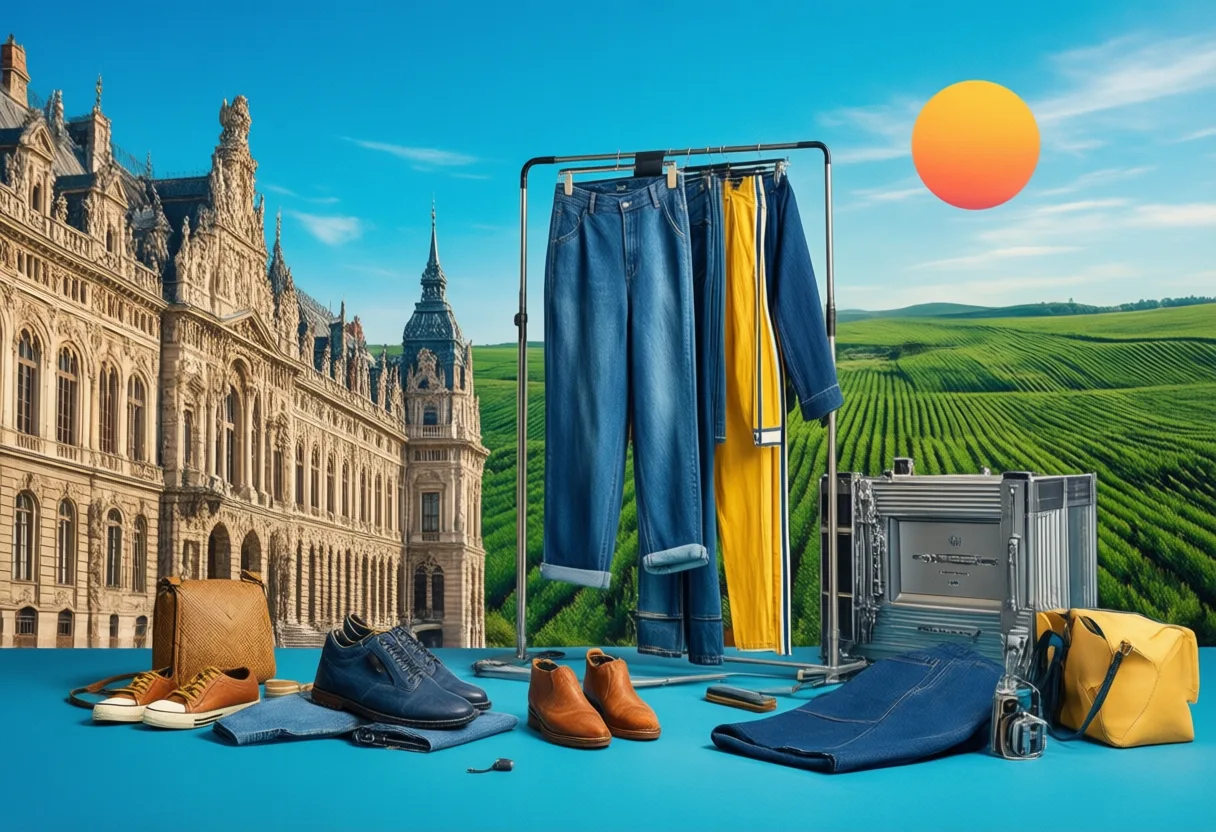
Workwear also stepped up. Denim, field jackets, and work boots moved from the factory floor to the city streets. Today, that rugged practicality lives on in collections like Mens Fashion Styles For Modern Casual Wear And Workwear-because looking good shouldn’t mean sacrificing toughness.
The 80s and 90s: Big Shoulders, Bigger Egos
The 1980s were loud. Power suits with padded shoulders made every man look like he could bench-press a Buick. Pastel blazers, silk ties, and designer labels slapped everywhere-this was fashion as flex. Armani softened the silhouette a bit, but the message was clear: Dress like money, even if you’re broke.
Then came the 90s. Grunge flipped the script. Flannel, ripped jeans, and combat boots said, “I don’t care,” which, of course, was its own kind of caring. Hip-hop brought oversized fits, gold chains, and fresh kicks into the mainstream. Streetwear wasn’t just a trend-it was a cultural reset.
Through it all, accessories mattered. Watches, sunglasses, even socks became statements. And today, the quiet flex is the ring. Not flashy, not gaudy-just solid, Timeless, and built to last. For guys who want that subtle edge, check out Mens Fashion Rings For Everyday Style And Durability.
Modern Minimalism: Less Noise, More Impact
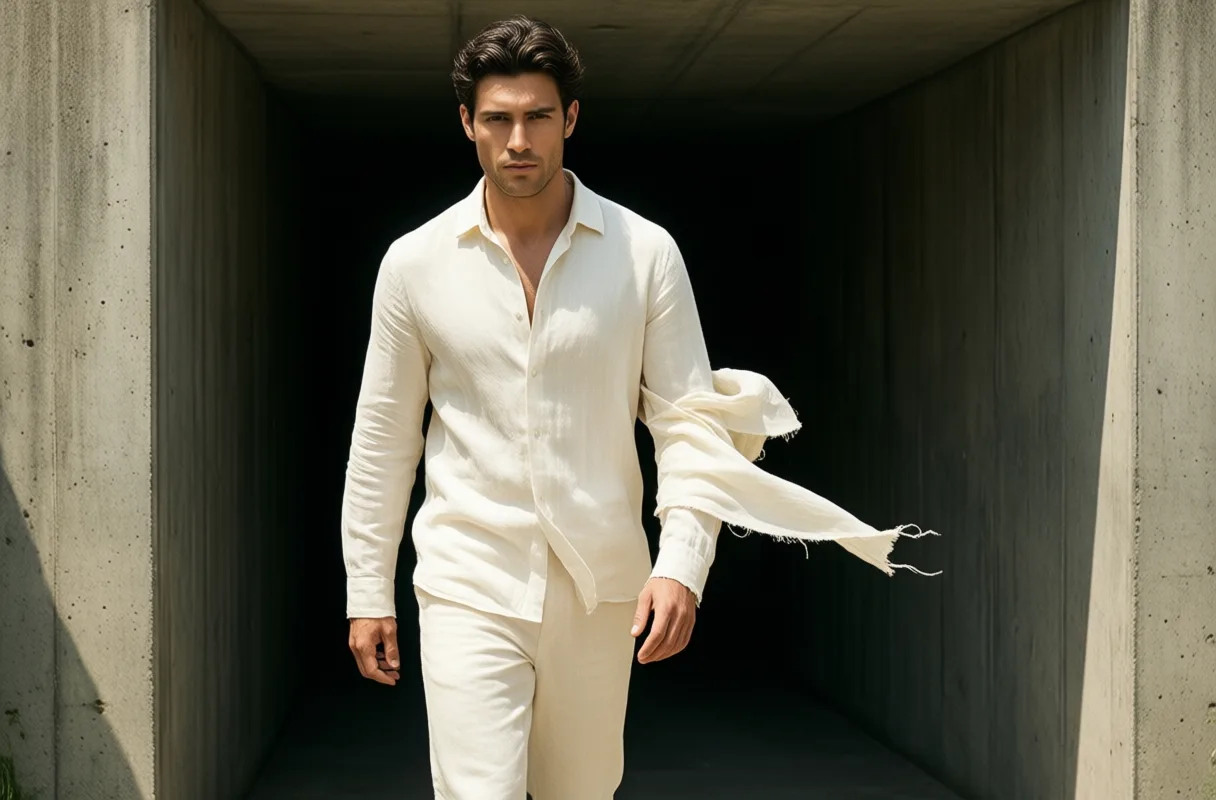
Now? We’re in the age of less. Clean lines, neutral tones, and fits that respect your body-not suffocate it. Minimalism isn’t boring. It’s Confident. It says, “I know what works, and I don’t need to shout.”
Brands have caught on. Quality over quantity. Timeless over trendy. A white tee, dark jeans, and clean sneakers can outstyle a head-to-toe logo’d outfit any day. The modern man isn’t chasing every trend-he’s curating his look like a playlist: only the hits.
And the best part? You don’t need a trust fund to pull it off. Build A core wardrobe, invest in pieces that last, and let your personality do the rest. Because style isn’t about the era you live in-it’s about the man you choose to be.
Threads of Time: How Men’s Style Evolved
The Weight of Tradition: Victorian Formality
Picture this: a man in the 1880s wouldn’t dream of stepping outside without a stiff collar, a tailored frock coat, and a waistcoat covered in intricate patterns. Fashion then wasn’t just about looks-it was a clear signal of status and respectability. Suits were layered and structured, often made from heavy wool, and accessories like pocket watches, top hats, and gloves were non-negotiable. Even leisure wear, like knickerbockers for golf or cycling, stuck to formal silhouettes-comfort took a backseat to propriety.
Rebellion in Tweed and Denim: The 20th Century Shift
By the 1920s, the rigid elegance began to loosen. The Great Gatsby Era brought slimmer cuts, softer shoulders, and a love for double-breasted styles-flaunting wealth with a wink. Fast forward to the 1950s, and James Dean made rebellion stylish with a simple white tee, leather jacket, and jeans-items once meant for labor now symbols of cool. The 1970s exploded with color and texture: wide lapels, flared trousers, and polyester suits in electric hues turned the disco floor into a runway. Each decade used clothing to push back against the last, turning fashion into a form of expression.
Stripped Back: The Rise of Minimalism
In contrast, the 2000s and beyond saw a dramatic pivot toward simplicity. Think clean lines, neutral palettes, and fabrics that move with the body instead of confining it. The shift wasn’t just aesthetic-it reflected a cultural desire for authenticity and ease. A well-cut black blazer or a perfectly fitted crewneck could now carry as much weight as a Victorian waistcoat. The message changed: less isn’t boring, it’s intentional. And in that simplicity, men found a new kind of confidence-one that didn’t need buttons, bows, or brash patterns to be seen.
Frequently Asked Questions
What was men's fashion like during the Victorian era?
Men's fashion in the Victorian era emphasized structure and status with layered wool suits, high collars, waistcoats, and formal accessories like pocket watches and top hats. Comfort was secondary to conformity and social appearance.
How did men's style change in the 1920s?
In the 1920s, men’s fashion became less rigid with shorter jackets, wider lapels, and softer shirt collars. Style gained personality through pinstripes, fedoras, and two-tone shoes, reflecting a more relaxed and expressive attitude.
What defined mid-century men's fashion?
Mid-century fashion featured the rise of the slim single-breasted suit, popularized by Hollywood icons. Casual styles like chinos, polo shirts, and crewnecks emerged, creating the blueprint for modern smart-casual dressing.
What characterizes modern minimalist men's style?
Modern minimalism emphasizes clean lines, neutral tones, and well-fitted clothing made for comfort and longevity. It values quality over quantity and subtle confidence over bold statements.
This article was produced with AI assistance. How Granite Magazine uses AI.
Tobin covers physical performance, mental resilience, and daily habits that shape a disciplined yet balanced life. He tests gear, decodes training trends, and interviews experts to deliver actionable insights without dogma.