
It’s the kind of coat that doesn’t just stop rain - it stops people in their tracks. The trench isn’t just outerwear; it’s a slow-burn flex, a quiet declaration that you’ve got your life together, even if your inbox says otherwise. When you need one that works as hard as you do - from the subway grind to drinks that turn into stories - you don’t just grab any coat. You Build One, piece by piece, choice by choice.
The Foundation: Why Fit Is Everything (Even When It Rains)
A trench coat that fits poorly isn’t a jacket. It’s a burden. It flaps when you walk like it's trying to escape, or worse, clings like it knows your secrets. The shoulders should sit clean, just at the edge of your natural shoulder line - no overhang, no gap. If it slips or bunches, you’re fighting the coat instead of letting it work for you.
Think of the fit like a handshake: too loose and it’s forgettable, too tight and it’s awkward. Your arms should move freely through the sleeves without stretching the fabric across the chest. When buttoned, the coat should skim your body, not suction-wrap it. There’s room to breathe - literal and figurative - Because style Thrives in that space.
Length matters more than most realize. A coat that hits mid-thigh balances practicality and proportions for most heights. Too long and you look like you’re cosplaying a noir detective; too short and it’s just a rain-resistant vest with commitment issues. Try walking in it. Bend down. Reach up. If it rides up or restricts, it fails the real-world test - not just the mirror.
- Shoulder seams should align exactly with your shoulders
- Sleeves end just past the wrist bone, allowing room for a sweater underneath
- Buttoned chest should lie flat, no pulling or gapping
- Back vent (if present) should allow free movement without flapping
Fabric That Earns Its Keep - Not Just Survives the Storm
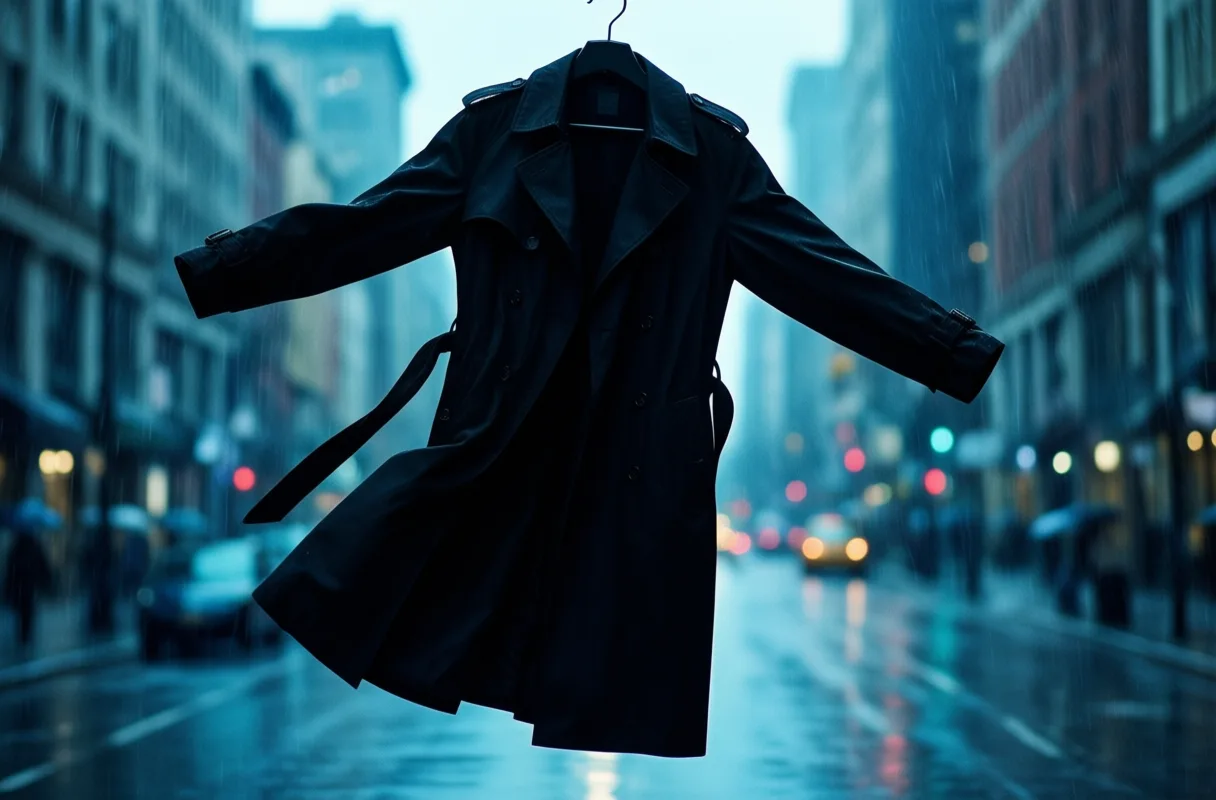
You’re not buying a tent. But you do want something that treats rain like a minor inconvenience. Cotton gabardine remains the gold standard - tightly woven, water-resistant, and built to breathe. It’s the original trench fabric for a reason: it sheds showers without turning you into a sauna.
Other options exist. Nylon blends are lighter and packable, sure, but they often look like you packed for a hiking trip, not a Tuesday meeting. Polyester-heavy coats might be cheap, but they crease like old paper and carry that synthetic sheen that screams “I bought this at the airport.” Stick with natural weaves when you can. They age better, smell better, and handle sweat like adults.
Weight is a silent player. A lightweight trench works for spring drizzle or layering over Suits. A heavier version, with a storm shield or double-breasted front, earns its keep in true downpours. But don’t mistake weight for worth - a well-constructed lighter coat beats a bulky, stiff one every time. You want protection, not padding.
Test the fabric with your hand. Rub it. Crumple a patch gently. Does it recover? Does it feel substantial, not flimsy? A good trench should feel like it’s been around the block - tough, but not tired.
Style Moves: From Office to Out of Town Without a Wardrobe Change
A trench coat shouldn’t require a mood board to Wear. It should work with your navy blazer, your dark jeans, and the charcoal suit you only wear when you’re closing deals or proposing. Neutrals - beige, khaki, olive, charcoal - are your foundation. They pivot between seasons and pair with everything you already own.
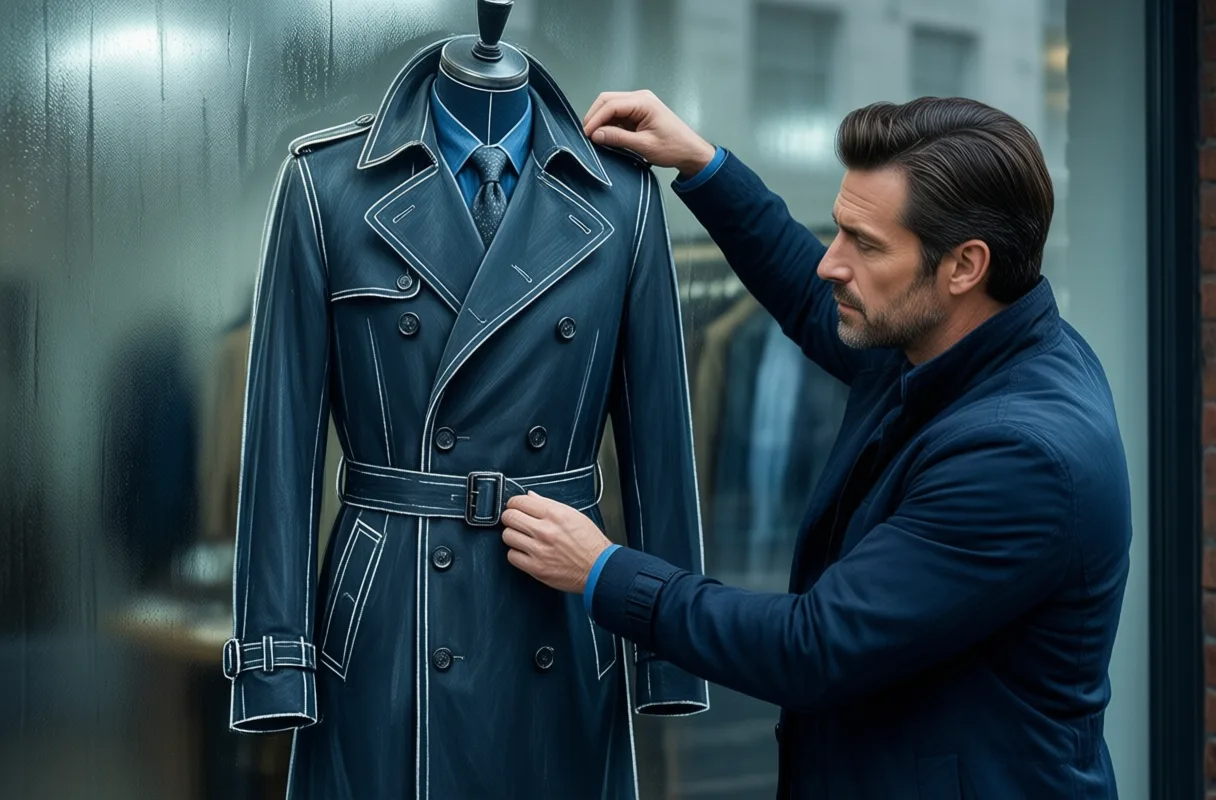
Details define the difference between classic and costume. A double-breasted front with wide lapels leans into authority - ideal when you want to look like you mean it. A single-breasted cut is sleeker, easier to layer, and flows better with Casual wear. Epaulettes? They’re not just decorative - they were originally for holding rank insignia, but now they’re more about flair than function. Keep them if you like the look; lose them if you want stealth wealth vibes.
The belt isn’t just for show. It cinches the waist, creates shape, and stops the coat from turning into a sail in the wind. But don’t over-tighten - you’re not lacing up boots. A slight drape is human, even sexy. And metal hardware - D-rings, gun flaps, storm cuffs - should feel solid, not like it’ll oxidize after one rainy Tuesday.
Style isn’t about following rules. It’s about knowing which ones to keep. A trench should feel like an extension of your routine, not a disruption. Choose one that works when you’re late, when you’re confident, when you’re trying to impress someone worth impressing.
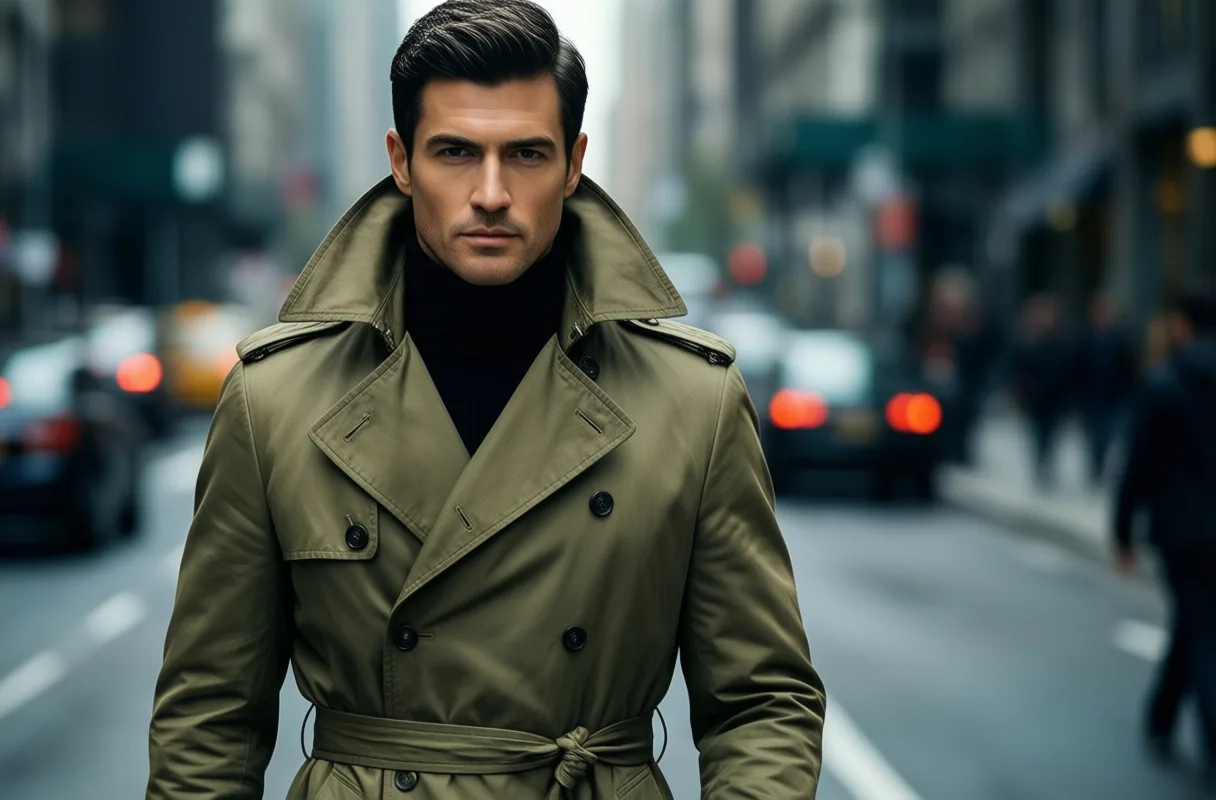
How To Choose The Right Trench Coat For Men For Daily Use?
It starts with knowing how you live. Do you walk everywhere? Take the train? Need pockets deep enough for gloves, keys, and a phone that never dies? Build the coat around your day, not a fantasy version of your life.
Try it on with your go-to outfits. Wear the shirt, sweater, or jacket you’d actually layer underneath. Move in it. Sit down. Get on the escalator. If it hikes up or binds, it doesn’t matter how iconic the silhouette looks in photos.
Prioritize construction: strong stitching at stress points, a lining that glides over clothing, and a shape that holds its form. A coat is a repeat performer - you’ll wear it for years, through seasons and moods. Make sure it’s ready for an encore.
In the end, the right trench coat doesn’t shout. It simply shows up, keeps you dry, and looks better with age. Like a good reputation, it’s earned slowly - one Smart choice At a time.
| Feature | Ideal Choice | Purpose |
|---|---|---|
| Fabric | Cotton gabardine | Water-resistant, breathable, durable for daily wear |
| Length | Mid-thigh to below the knee | Balances mobility, warmth, and proportion |
| Fit | Clean shoulders, flat chest when buttoned | Allows movement without restriction or flapping |
| Sleeves | End just past wrist bone | Allows layering and full hand dexterity |
| Style Details | D-rings, epaulettes, storm flap | Originally functional; now add classic aesthetic |
| Color | Beige, khaki, olive, charcoal | Versatile neutrals that match most wardrobes |
The Trench Coat: More Than Just a Classic
Hidden Origins of a Wardrobe Staple
The trench coat wasn’t born on the fashion runway-it started in the trenches, literally. Originally designed for British officers during World War I, its name comes from its battlefield use. The classic design features like the D-ring belt, storm flap, and epaulets weren’t just for style; they served real purposes. The D-ring was meant to hold gear, the storm flap kept rain from soaking through the chest, and epaulets were originally for displaying rank insignia or anchoring gloves. These details stuck around, not because they’re essential today, but because they give the coat its signature look and rugged charm.
Fabric That Works as Hard as You Do
Most traditional trench coats are made from cotton gabardine, a tightly woven fabric invented by the brand that popularized the trench. It’s water-resistant without being bulky, making it perfect for drizzly days without turning you into a walking sauna. While modern versions come in everything from nylon to wool blends, gabardine remains a top pick for daily wear because it’s durable, breathable, and handles light rain like a pro. If you live somewhere with heavier downpours, a coated version might be better, but for everyday use in mild weather, breathable cotton beats synthetic alternatives when comfort matters.
Fit Clues You’re Probably Missing
A well-fitting trench shouldn’t gape at the chest or pull across the shoulders. One clever trick? Button only the top button and leave the rest open-it’s both stylish and practical, allowing room for movement and layering. The length also matters: a coat that hits just below the knee offers the best balance of warmth and mobility for walking or commuting. And don’t overlook sleeve length-your hands should just peek out when your arms are down, so you’re not sacrificing dexterity every time you check your phone or grab a coffee. Explore more stories, videos, and creators on Loaded.
Frequently Asked Questions
What is the ideal length for a men's trench coat?
A trench coat that hits mid-thigh balances practicality and proportions for most heights. A length just below the knee also offers good balance of warmth and mobility for walking or commuting.
What fabric should I look for in a daily-use trench coat?
Cotton gabardine is the gold standard-it's tightly woven, water-resistant, and breathable. It sheds showers without making you overheat and ages better than synthetic fabrics.
How should a trench coat fit on the shoulders and chest?
Shoulder seams should align exactly with your shoulders, with no overhang or gap. When buttoned, the chest should lie flat without pulling or gapping.
Can a trench coat work with both formal and casual outfits?
Yes, a trench in neutral colors like beige, khaki, olive, or charcoal pairs well with navy blazers, dark jeans, and charcoal suits, transitioning easily from office to evening.
This article was produced with AI assistance. How Granite Magazine uses AI.
Quinn explores the nuances of men’s fashion and personal care with a focus on timeless elegance and modern practicality. They emphasize sustainable choices, intelligent design, and the psychology behind how men present themselves in evolving social landscapes.