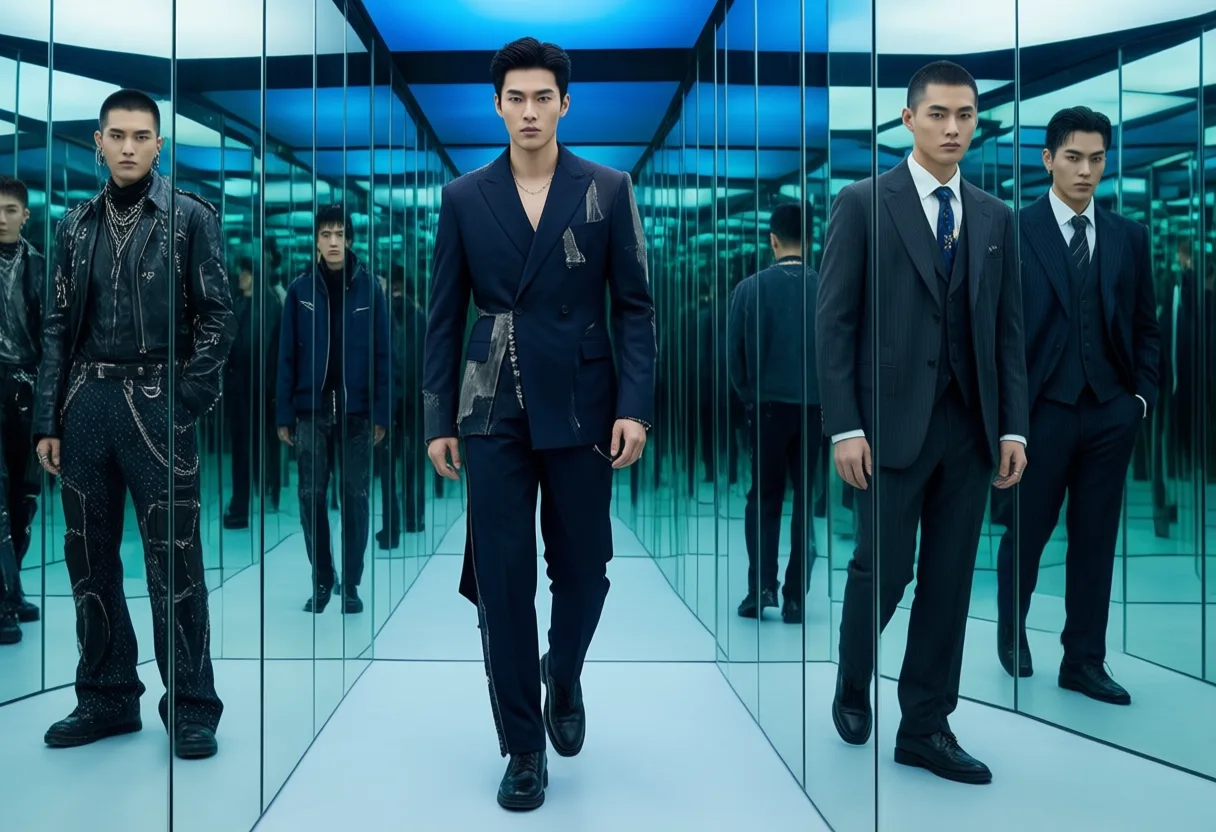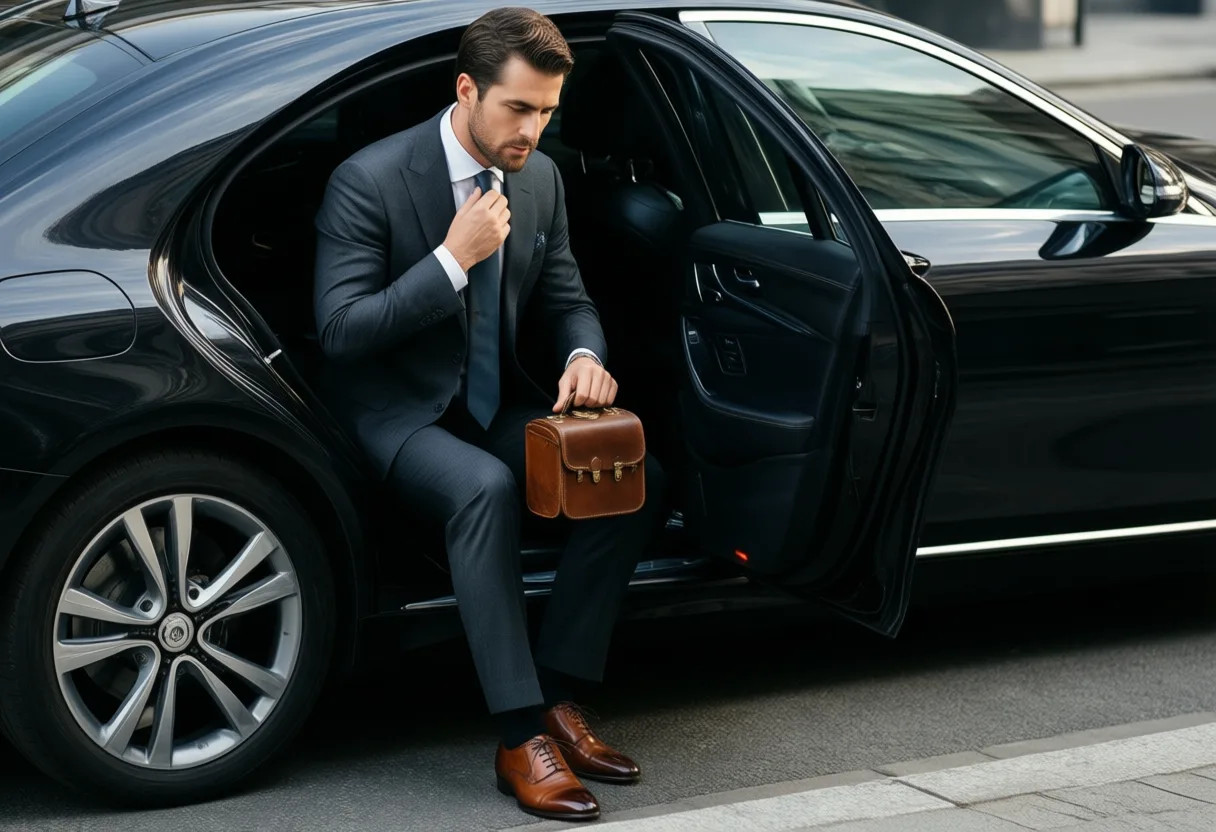
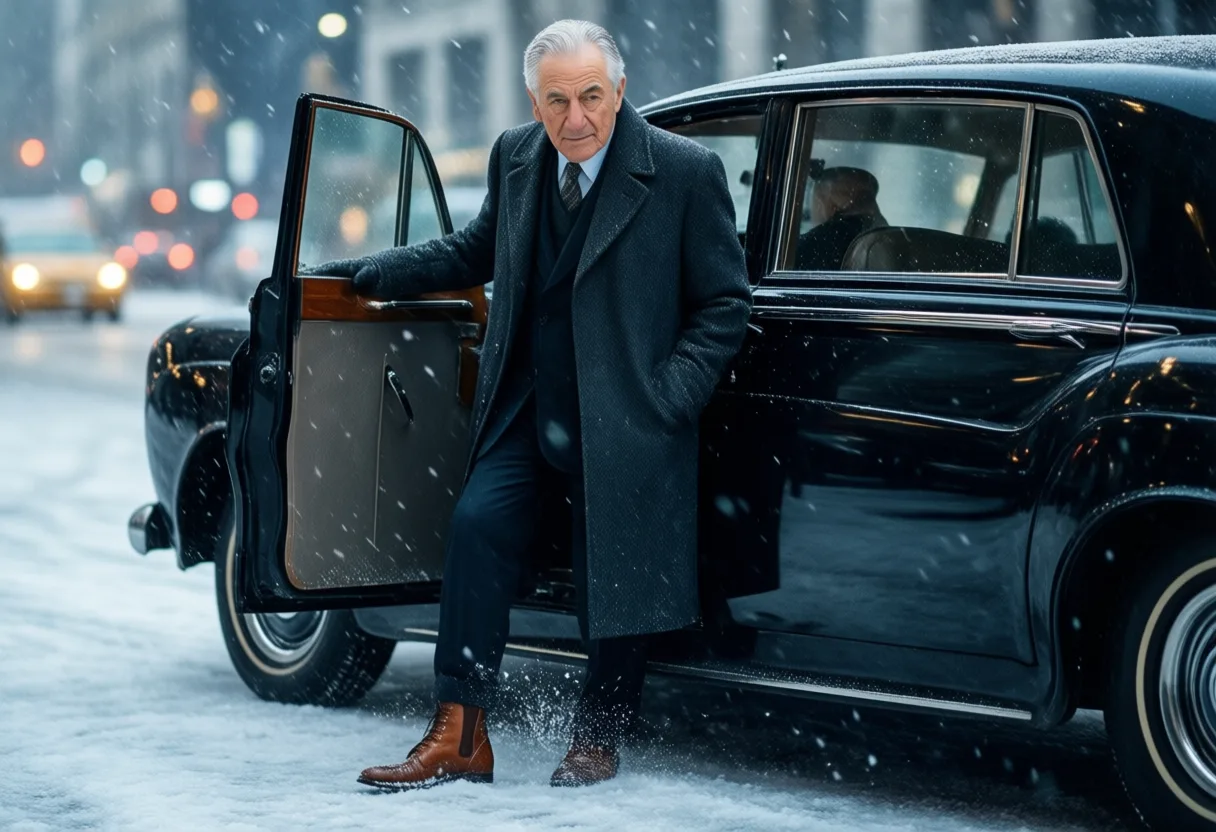
Cold weather doesn’t have to mean Fashion hibernation. A great overcoat turns winter into your runway-sharp, warm, and effortlessly commanding. The right one doesn’t just protect you from the freeze, it announces your presence before you even speak.
What Makes a Winter Coat Truly Timeless?
Timeless Doesn’t mean outdated. It means Built to last, designed to endure trends, and cut to flatter season after season. Think of the coats worn by men who never seem to chase fashion-they simply wear what works. Those are the ones with clean lines, quality materials, and a silhouette that respects the human form.
A timeless overcoat doesn’t scream for attention. It Whispers authority. It fits just right-not too tight, not swimming on your frame-and moves with you, whether you’re stepping out of a cab or walking into a boardroom. It’s not about logos or flashy details. It’s about presence.
These coats age like good whiskey. The fabric develops character, the shoulders drape naturally, and the color stays relevant year after year. They’re the Wardrobe anchor-the one piece you reach for when you want to look put together without trying too hard.
The Overcoat’s Quiet Evolution Through the Decades
Overcoats weren’t always about style-they started as survival gear. In the early 1900s, men needed protection from unheated streets and open-top vehicles. Long, heavy coats made from dense wool kept them warm. But as cities modernized, so did the coat.
By mid-century, tailoring took center stage. The overcoat became part of the gentleman’s uniform-worn with suits, hats, and polished shoes. It was no longer just functional; it was Part of a statement. Clean lapels, precise buttoning, and structured shoulders turned it into armor for the urban jungle.
In the 80s and 90s, trends pushed for excess-bigger lapels, Louder fabrics. But the classic styles never disappeared. They stayed in the background, worn by the guys who knew better. Today, the pendulum has swung back. Sleek, tailored, understated-that’s the modern ideal.
Why Fabric Choice Defines Longevity and Look
Wool is the gold standard For a reason. It’s warm, breathable, and resilient. A well-made wool coat can last decades if cared for properly. It sheds light rain, resists wrinkles, and molds to your body over time. When you invest in wool, you’re investing in longevity.
Cashmere? That’s the upgrade. Softer, lighter, and more luxurious, it feels like wearing a high-end blanket. But it demands more care. It’s less resistant to moisture and can pill if overused. Still, for those who value Softness and sophistication, it’s hard to beat.
Most modern coats use a wool blend-mixing wool with synthetic fibers to boost durability and lower cost. These offer a solid middle ground: warmth and structure without the extreme price tag. You get performance without sacrificing all the old-world charm.
- 100% wool: best for structure and breathability
- Cashmere: ultimate softness, needs gentle care
- Wool blends: practical, affordable, still looks sharp
Wool, Cashmere, or Blend: Weighing Warmth Against Wear
Let’s break it down. Wool keeps you warm even when damp. That’s critical when you’re walking through snow or caught in a surprise sleet shower. It traps heat efficiently and releases moisture slowly-no clamminess, no chill.
Cashmere is warmer ounce for ounce. It’s finer, with natural insulation that beats standard wool. But it’s delicate. Wear it in dry, city environments. Save it for nights out or executive meetings-not your weekend trek through slushy sidewalks.
Blends play the long game. They take the best of wool and add toughness. Some include microfibers that repel water or reduce pilling. They won’t feel as lush as pure cashmere, but they’ll hold up better over time. For most men, this is the sweet spot.
Classic Cuts That Never Go Out of Style
Some designs don’t age. They just rotate back into favor every few years-always looking fresh. The Single-breasted overcoat Is one. Two or three buttons, slim lapels, clean front. It’s simple, versatile, and works with everything from suits to jeans.
Then there’s the Double-breasted. Bolder. More formal. It adds volume and presence-perfect if you want to command a room. Done right, it’s elegant, not flashy. Peak lapels and a belted back give it structure, making it ideal for colder climates.
And we can’t ignore the Trench-style overcoat. Born from military use, now a staple of urban style. It’s tailored, often belted, with a storm flap and epaulets. It bridges the gap between function and form-light enough for fall, layered for winter.
Single-Breasted Simplicity Meets Double-Breasted Drama
The single-breasted coat is your everyday MVP. It’s Easy to wear, easy to layer, and easy to dress up or down. Two buttons, notched or peak lapels, a center vent in the back. It slips over a suit like it belongs-and looks just as good with a knit sweater and boots.
A double-breasted coat? That’s your power move. Six buttons (usually), overlapping fronts, and a high closure point. It shortens the torso slightly, which means fit is crucial. Get it tailored. When it fits, it radiates confidence.
Both styles have staying power because they serve different moods. The single-breasted is understated. The double-breasted is A flex-worn by men who know they look good and don’t need to explain why.
The Tailored Trench: When Structure Speaks Volumes
A trench isn’t just for detectives in old movies. The modern version is lean, precision-cut, and made for real life. It’s shorter than a traditional overcoat-usually hitting mid-thigh-so it’s more mobile. Great for walking, driving, or navigating crowded streets.
What sets it apart? The details. Belted waist, shoulder straps, storm flap, and deep pockets. These aren’t just decorative-they’re functional, born from military design. Today, they add character without bulk.
Wear it over a suit for meetings, or throw it on with dark jeans and boots for dinner. It’s the coat that says you’re ready-no matter the occasion.
Color Psychology in Outerwear
Color impacts how people see you-before you even speak. Black Is powerful. Sleek. It reads as serious, modern, and unbothered. Great for nights out or high-stakes environments. But it shows snow and lint easily.
Navy? That’s the quiet winner. It’s dark enough to look sharp, but warmer than black. It pairs with more outfit combinations and doesn’t scream “formal event” every time you wear it.
Charcoal gray sits between black and gray. It’s professional, neutral, and highly versatile. It works in business settings but doesn’t feel stuffy with casual wear. For a coat you’ll wear 50+ times a winter, this might be your best bet.
Shades That Transition Seamlessly From City to Ceremony
You want one coat that does it all. That means choosing a color that plays well in multiple scenes. Navy and charcoal are the ultimate chameleons-they look appropriate everywhere from a coffee shop to a wedding.
Avoid anything too light-beige, tan, or cream-unless you’re prepared to defend it from every raindrop and coffee spill. They look sharp, but they’re high-maintenance. Save them for dry climates or special occasions.
Stick to solid colors. Patterns like herringbone or checks can work, but they limit your outfit options. A solid coat gives you freedom. It becomes the canvas-you’re the artwork.
Length, Lining, and the Little Details That Matter
Length changes everything. A Knee-length coat offers maximum warmth and coverage. It protects your legs from wind and snow, and looks proportional on most body types. Anything longer-calf or ankle-can feel cumbersome unless you’re 6’3” and built like a coat hanger.
Shorter coats-hip-length-work in milder winters. They’re agile, great for driving, and pair well with layered streetwear. But they won’t shield you on brutal days. Know your climate before you decide.
Now, the lining. A Satin or Bemberg lining Isn’t just fancy-it helps the coat slide over suits without catching. It also improves durability and feels smoother against your clothes. Check the interior before buying. Cheap linings snag and tear.

How Silhouette Shapes Presence in Cold-Weather Dressing
Your coat is the outermost layer-literally the first thing people see. That means Silhouette is your silent ambassador. A well-cut coat enhances your frame, creating clean lines from shoulder to hem.
Avoid boxy fits. They make you look wider than you are and drown out your shape. Look for slight tapering at the waist, structured shoulders, and sleeves that end at your wrist when your arms are down.
If you’re broad-shouldered, go for natural padding or minimal structure. If you’re slimmer, a coat with a bit of chest drape can add balance. Tailoring is key-don’t settle for “close enough.”
The Wardrobe Anchor: Building Outfits Around Your Overcoat
Think of your coat as the centerpiece. Everything else supports it. Wear a charcoal overcoat over a dark suit, and you’re ready for the office. Swap the suit for dark selvedge denim, boots, and a turtleneck-you’re out for drinks.
A navy coat pairs with gray, black, brown, and even olive. It’s one of the most flexible colors in the game. One coat, ten different looks-that’s the goal.
You can even layer coats. A pea coat or bomber underneath a longer overcoat adds texture and warmth. Just make sure the layers don’t bunch. Fit is everything.
From Suits Beneath to Casual Pairings Up Top
Underneath, keep it sharp. A Well-fitted suit In charcoal, navy, or gray is the classic combo. Add a tie or go open-necked depending on the vibe. The coat elevates everything.
But don’t sleep on casual pairings. Try a black overcoat with black jeans, a gray crewneck, and white sneakers. Clean. Modern. Confident. Or go rugged with a waxed field jacket under a long wool coat-urban explorer mode.
Even your footwear matters. Overcoats call for polished boots or dress shoes. Save the beat-up sneakers for lighter jackets.
Beyond Trend: Why Some Coats Outlast Seasons
Trends come and go. This year’s “must-have” coat will look dated in three. But a Classic coat never apologizes for its age. It doesn’t rely on logos, patches, or gimmicks. It earns respect through consistency.
The ones that last are made with care-real buttons, sturdy stitching, quality fabric. They’re designed for human bodies, not photo shoots. They’re worn by men who value substance over hype.
Buy less. Buy better. A single great coat can outlive five trendy ones. It’ll save you money, time, and decision fatigue. And when you walk into a room, you’ll know you’re wearing something that matters.
| Fabric Type | Warmth | Durability | Care Level |
|---|---|---|---|
| 100% wool | Warm, even when damp | High, with proper care | Low to moderate |
| Cashmere | Warmer ounce for ounce | Delicate, can pill | High, gentle care needed |
| Wool blend | Good, with added resilience | High, resists wear | Low to moderate |
The Lasting Appeal of Classic Outerwear
Hidden Origins of the Trench
The trench coat, often mistaken for a purely civilian fashion staple, was born out of necessity during World War I. Designed for British officers, its signature features-like the storm flap and epaulets-weren’t just stylish; they served real purposes. The flap helped shed rain, while epaulets originally held rank insignia and could secure gloves or maps in muck. Early versions were made from heavy gabardine, a tightly woven fabric invented by a chemist who wanted something durable yet weather-resistant-perfect for the trenches, hence the name.
Double-Breasted Secrets
Double-breasted overcoats often carry a military vibe, and for good reason. Their roots trace back to naval uniforms, where the overlapping front provided extra warmth and protection against harsh sea winds. The standard six-button closure usually features only two functional buttons, a holdover from practical design-officers needed quick access to pockets or weapons underneath without undoing everything. This style gained widespread appeal in the mid-20th century, becoming a go-to for sharp-dressed men in films and city streets alike.
The Camel Connection
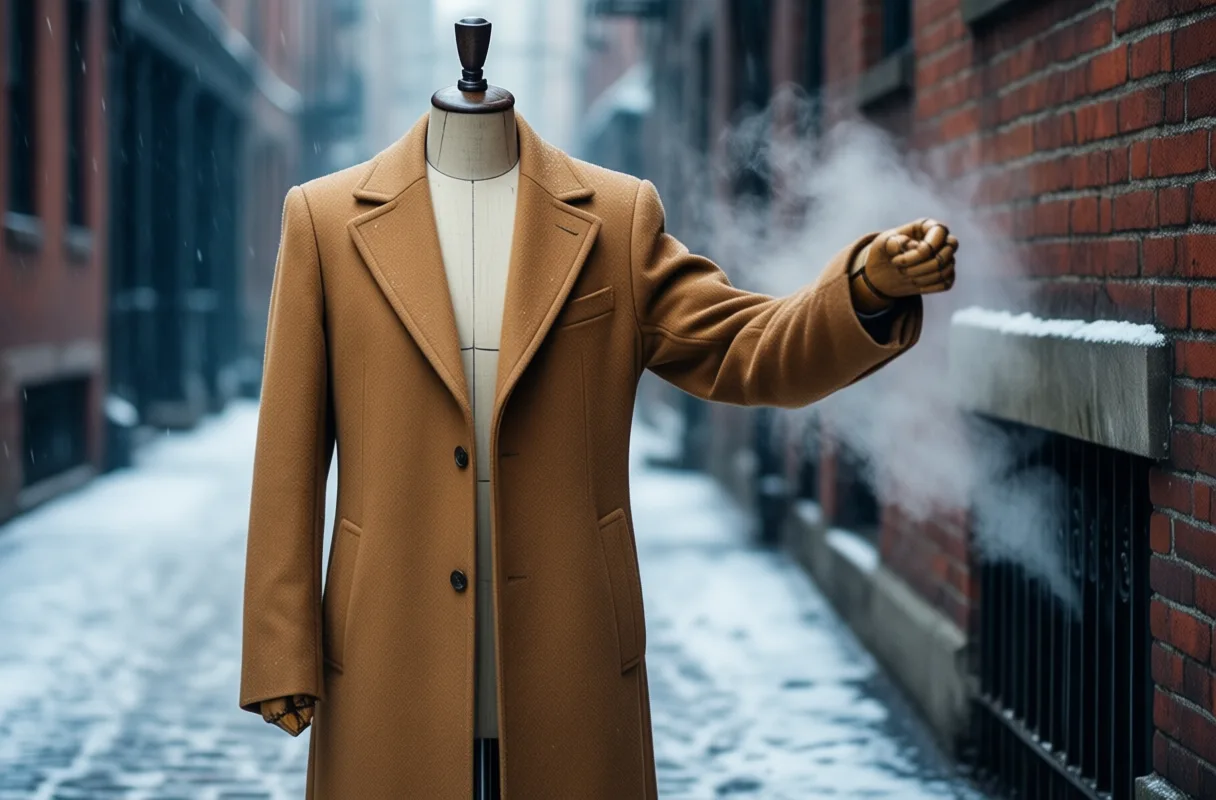
Camel-colored overcoats surged in popularity after World War II, thanks in part to returning soldiers who wore them stateside. The shade, often mistaken for actual camel hair, is more commonly found in wool blends today. Real camel hair is rare in mainstream coats due to cost and care requirements, but the color endures as a wardrobe essential because it pairs easily with nearly any outfit. It’s warm without looking bulky, and somehow manages to look both casual and refined at the same time. Explore more stories, videos, and creators on Loaded.
Frequently Asked Questions
What makes a men's overcoat timeless?
A timeless overcoat has clean lines, quality materials, and a flattering silhouette that endures trends. It fits well, moves with the body, and ages gracefully, offering lasting style and presence without flashy details.
Which fabric is best for a durable winter overcoat?
Wool is the gold standard for durability, warmth, and breathability. Wool blends offer a practical balance of structure and affordability, while cashmere provides luxury but requires more care.
What are the most classic overcoat styles for men?
The single-breasted, double-breasted, and trench-style overcoats are the most enduring. Each offers distinct aesthetics-versatility, formality, and functional elegance-making them staples across decades.
Which coat colors work best for year-round versatility?
Navy and charcoal gray are the most versatile, transitioning seamlessly from casual to formal settings. Black is sleek but shows lint and snow, while camel offers warm, refined neutrality.
This article was produced with AI assistance. How Granite Magazine uses AI.
Tobin covers physical performance, mental resilience, and daily habits that shape a disciplined yet balanced life. He tests gear, decodes training trends, and interviews experts to deliver actionable insights without dogma.