A weekender bag isn’t just luggage-it’s your silent partner in weekend getaways, spontaneous trips, and business jaunts where style and substance need to show up at the same time. The best ones don’t just survive the journey; they look better for it. But with so many Options, how do you pick one that won’t fall apart after three flights?
What Makes a Weekender Bag Truly Built to Last?
Durability isn’t just about thick fabric. It’s about how every part of the bag works together to handle real-world abuse. A truly long-lasting weekender needs Strong materials, smart construction, and thoughtful details That add up over Time.
High-quality fabrics Like reinforced nylon or coated canvas resist wear, moisture, and repeated use. These materials are tough enough to shrug off sidewalk scrapes, rain showers, and being tossed into car trunks. They also tend to age well, developing a rugged character instead of looking worn out.
Zippers, stitching, and hardware matter just as much. Double-stitched seams and bar-tacked stress points prevent tears at the corners and handles. Look for YKK zippers or similar heavy-duty closures-they’re the industry standard for a reason. Cheap zippers might save a few bucks now but will cost you later.
Why Size and Shape Impact Longevity More Than You Think
A bag that’s too small gets overstuffed. One that’s too big gets dragged around half-empty, flopping with every step. Both extremes shorten its life. The right size keeps everything balanced and reduces strain.
Most weekend trips need 40 to 70 liters of capacity. That’s enough for a couple of outfits, shoes, toiletries, and a jacket without forcing you to jam it shut. The Patagonia Black Hole Duffel 70L, for example, hits that sweet spot for most travelers with room to spare.
Shape affects how the bag handles pressure. Rectangular designs hold their form better and stack neatly in overhead bins. Cylindrical duffles may look classic but can sag when full, putting extra stress on the base and seams. A structured silhouette means less distortion and longer life.
Can Your Bag Survive the Bottom of the Overhead Bin?
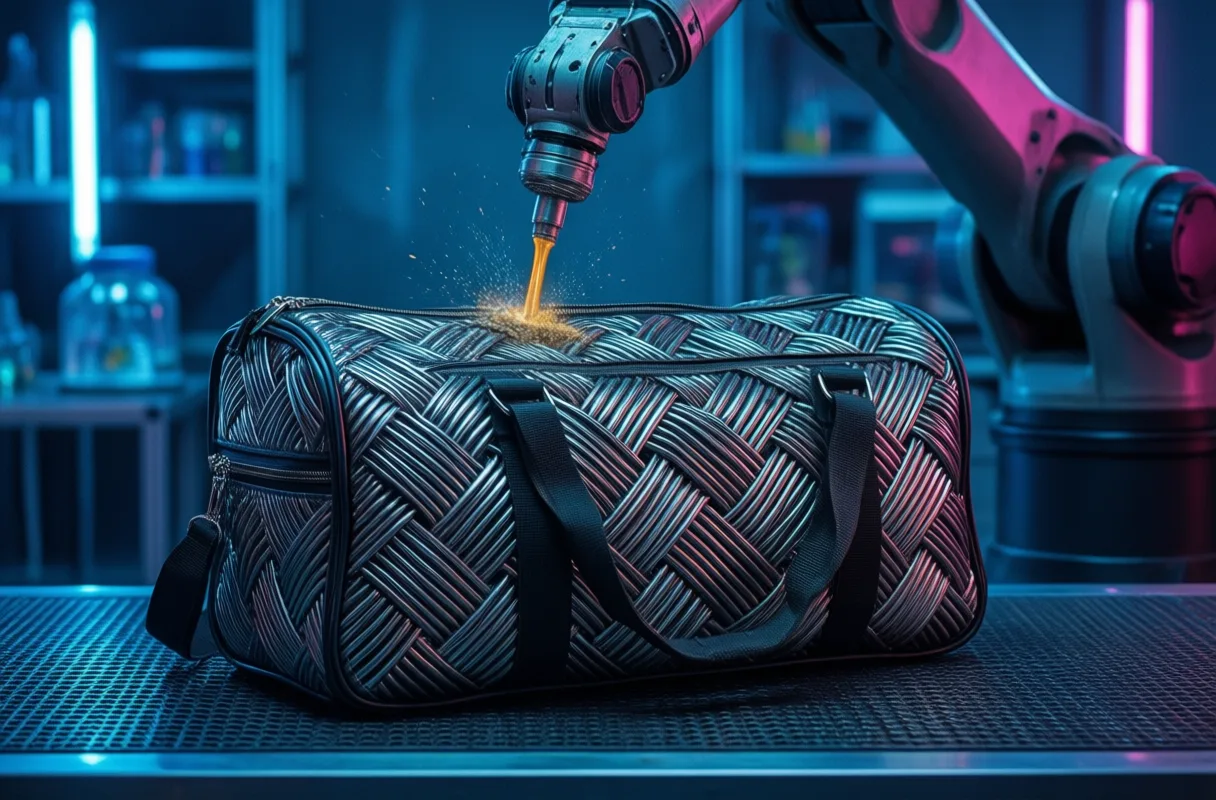
Air travel is brutal. Overhead bins are like Tetris played by someone in a hurry. Your bag needs to take a beating and still come out clean. Soft-sided luggage has an edge here-it can compress and bounce back without cracking.
High-denier fabrics are key. The higher the denier, the more resistant the fabric is to tearing and abrasion. Think of it like thread count for toughness. These materials flex under pressure instead of splitting.
Water-repellent coatings add another layer of defense. Spills, rain, and damp hotel floors won’t soak through. Some bags even go full waterproof, especially those designed for adventure travel. A 120L foldable duffel with waterproof construction can handle everything from monsoon season to poolside drops.
The Hidden Weak Spots Most Travelers Overlook
Everyone checks the main compartment. Few inspect the real danger zones. Handles, seams, and base panels Take the most punishment but are often the first to fail.
Handles should be attached with bar tacks or reinforced stitching. Test them by giving a firm tug-no wiggling or loose threads. If they’re sewn on with a single line of thread, they won’t last. Leather-wrapped handles look sharp but need proper backing to avoid peeling.
The base of the bag is a common weak point. Flat, reinforced bottoms stand up on their own and resist ground moisture. Bags without structure collapse and wear out faster. Look for materials that won’t scuff when set on concrete or gravel.
Pockets seem minor, but poorly placed ones can rip under load. Side pockets should be stitched securely and not bulge when full. Interior linings matter too-durable, wipeable fabric inside means fewer stains and easier cleanups.
Is One Style More Durable Than the Rest?
Duffels, totes, and hybrid weekenders all have their fans. But when it comes to pure toughness, Duffel-style bags tend to outlast the rest. Their simple shape means fewer moving parts and fewer things to break.
Classic duffels like the Patagonia Black Hole Duffel 70L use minimal zippers and no external frames. That simplicity makes them easier to repair and harder to destroy. They’re built for long-term travel, not just Instagram shots.
Tote-style weekenders with long shoulder straps look sleek but often sacrifice durability. Thin straps dig into shoulders and strain the attachment points. If you want a tote, make sure it has reinforced strap anchors and a secondary carry option.
Hybrid designs-like duffels with backpack straps-offer versatility but add complexity. More features mean more potential failure points. Only go hybrid if you actually need the extra functionality.
What Top Testers Consistently Praise in Long-Wearing Designs
Testing 34 weekender bags, one thing stood out: the best ones balance Capacity, design, and portability Without compromising on toughness. Top performers aren’t always the flashiest, but they’re the ones you keep reaching for.
Testers loved bags that were lightweight yet strong. A heavy bag makes travel exhausting, but a flimsy one won’t last. The sweet spot is under 5 pounds with materials that don’t feel cheap.
Multiple carrying options scored high. Shoulder straps, top handles, and daisy chains for clipping gear make a big difference in real use. Being able to switch grips keeps your body comfortable and reduces strain on the bag.
Easy access and smart organization also made the list. Full-length zippers that open wide let you see everything at once. Interior pockets keep small items from turning into black holes at the bottom.
How to Spot Quality Before You Buy
You don’t need a lab to test a bag. You just need to know where to look. Start with the fabric-press it, stretch it, feel the weight. It should resist poking and sound tight, not flimsy.
Check the stitching. Straight, even lines with no loose threads are a good sign. Look at stress points: where the straps meet the body, around zippers, and at the base. These should have extra stitching or reinforcement patches.
Zippers should glide smoothly but feel solid. Try opening and closing them several times. If they catch or feel wobbly, walk away. Metal zippers last longer than plastic, especially in humid or salty environments.
Don’t forget the details. Feet on the bottom keep the fabric off dirty surfaces. D-rings let you attach locks or extra straps. A detachable shoulder strap gives you options when your arm gets tired.
Why the Best Bag Might Not Be the Flashiest
Some bags are designed to be seen. Others are built to be used. The most durable weekenders often fly under the radar-simple colors, clean lines, no logos screaming for attention.
That’s not an accident. Substance over style Means the brand is betting on longevity, not hype. A black or navy duffel made from coated canvas won’t show dirt as fast and will age gracefully.
Luxury materials can be fragile. Suede accents, exposed stitching, and decorative hardware look great in photos but don’t hold up to real travel. The best bags avoid gimmicks and focus on function.
You’ll stand out not because your bag screams brand, but because it still looks sharp after a year of constant use. That’s the real flex-owning something that lasts.
What Your Weekender Should Handle-Without Flinching
Your bag should be ready for anything. Not just airport runs, but muddy festivals, beach weekends, and last-minute road trips. If it can’t handle sand, rain, and being thrown in a trunk, it’s not doing its job.
It should fit in overhead bins but also pack down when needed. Soft-sided luggage compresses better and fits into tight spaces. That flexibility means less stress on the seams and zippers.
It needs to carry more than clothes. Think gym gear, a laptop, or a bottle of wine for dinner. Strong handles and balanced weight distribution keep it comfortable whether you’re on foot or in a cab.
And it should clean up easily. Spills happen. A wipeable interior and stain-resistant exterior mean you’re not stuck with last weekend’s mess.
The Final Test: Will It Still Look Good After a Year of Trips?
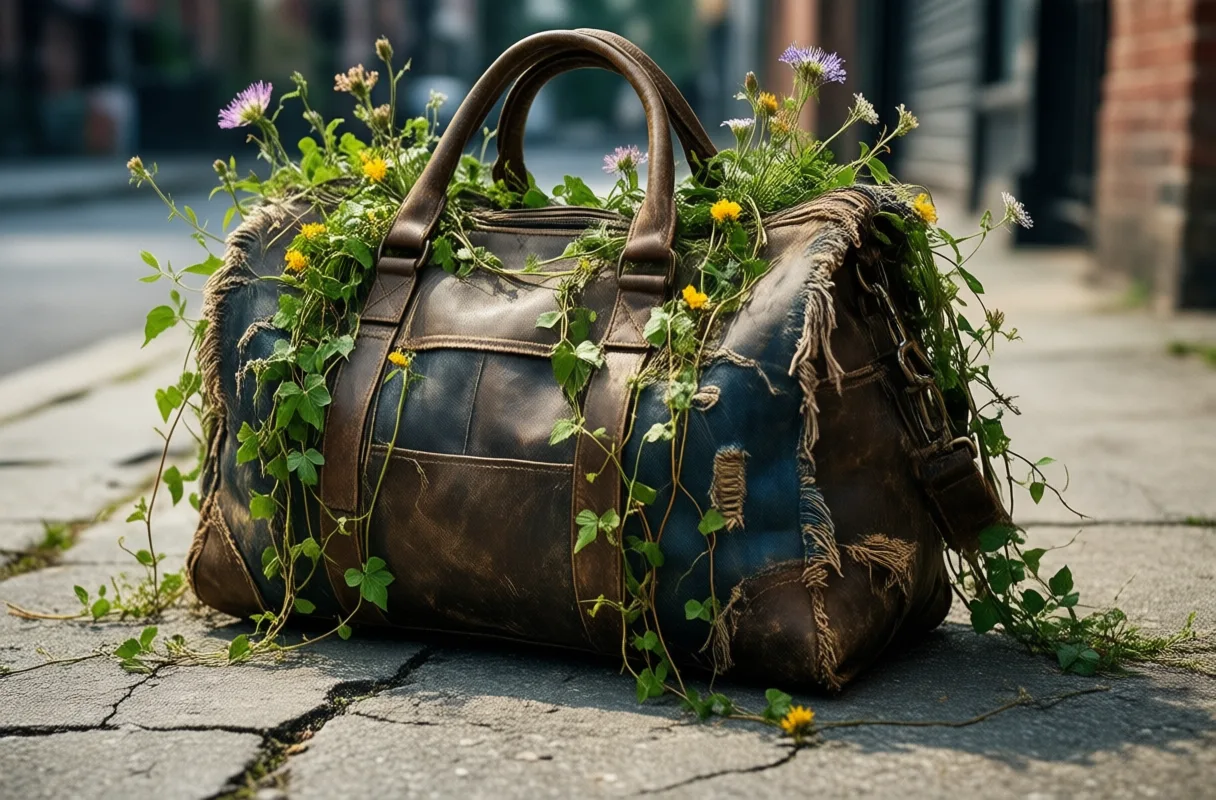
Durability isn’t just about surviving. It’s about aging well. The best weekender bags don’t fall apart-they develop character. Scuffs become stories, not signs of failure.
Look for materials that patina instead of peel. Nylon that resists fading, leather that darkens with use, canvas that softens but doesn’t sag. These are signs of a bag that’s built to evolve.
Avoid anything that looks perfect out of the box. That usually means it’s coated in a finish that will crack or wear off unevenly. Natural materials age better and tell a better story.
After a year of trips, your bag should look lived-in, not wrecked. That’s the mark of true quality.
The One Question That Changes Everything
Before you buy, ask yourself: Will I still want to carry this in two years? Not just need it, but Want It.
If the answer is yes, you’re not just buying luggage. You’re investing in a tool that makes travel easier, smoother, and more confident. The right weekender bag disappears into your life-until you realize you can’t imagine traveling without it.
| Feature | Purpose |
|---|---|
| High-denier nylon or coated canvas | Resists abrasion, moisture, and scrapes |
| Double-stitched seams and bar tacks | Prevents tears at high-stress points |
| YKK or heavy-duty zippers | Ensures smooth, long-lasting closure |
| Reinforced handles and base | Withstands dragging and heavy loads |
| Water-repellent or waterproof coating | Protects against spills and rain |
| Wipeable interior lining | Makes cleaning spills and stains easy |
| Multiple carrying options | Reduces strain and extends bag life |
Built to Last: Smart Picks for Your Next Getaway
Tough Fabrics Make the Difference
When sizing up a weekender, the fabric is your first line of defense. High-denier nylon and coated canvas stand out for their ability to shrug off scrapes, resist moisture, and handle being tossed in and out of car trunks. These materials are commonly used in bags built for real-world travel, where durability trumps flash. Some top-rated options use reinforced construction in high-wear areas, like the bottom panel or corners, to stretch the bag’s lifespan over years of weekend hops and spontaneous trips.
One Bag That Keeps Coming Up
The Patagonia Black Hole Duffel 70L pops up again and again in roundups of dependable travel gear, and for good reason. It’s built with rugged materials that can take a beating, plus it offers multiple carry options-like padded shoulder straps and haul handles-so you’re not stuck lugging it one way. Its design balances capacity with practicality, making it a go-to for travelers who want something roomy but not unwieldy. While it’s a bit larger than a classic weekender, its toughness sets a benchmark others try to match.
Soft Sides Have a Hidden Perk
Soft-sided luggage isn’t just lighter-it’s more flexible when space is tight. These bags can squeeze into overhead bins, under seats, or oddly shaped storage nooks that rigid cases just can’t fit. Despite their pliability, many are made with strong, abrasion-resistant fabrics that hold up surprisingly well. That blend of squish and strength makes soft-sided weekenders a smart pick for those who value adaptability without sacrificing resilience.
Frequently Asked Questions
What materials make a weekender bag durable?
High-quality fabrics like reinforced nylon and coated canvas resist wear, moisture, and abrasion. High-denier nylon is especially tough, offering strong protection against tearing and scrapes.
How big should a durable weekender bag be?
Most weekend trips need 40 to 70 liters of capacity. A 70L bag like the Patagonia Black Hole Duffel offers room for clothes, shoes, and toiletries without being overstuffed or too bulky.
Are duffel-style weekender bags more durable than others?
Yes, duffel-style bags tend to outlast totes and hybrids because of their simple shape, fewer moving parts, and minimal zippers. This design reduces the number of potential failure points.
What features help a weekender bag last longer?
Double-stitched seams, bar-tacked stress points, YKK zippers, reinforced handles, and a flat, durable base help a bag withstand regular use. Water-repellent coating and wipeable linings also extend longevity.
This article was produced with AI assistance. How Granite Magazine uses AI.
Rhea examines the intersection of professional ambition and cultural identity, spotlighting how modern men navigate purpose, ethics, and growth. Her work blends narrative depth with sociological insight across industries and life stages.