You don’t need a weather app to know the temperature’s shifting. You feel it in the air-crisp mornings that melt into golden afternoons, or the sudden evening chill that sneaks up like an uninvited guest at a rooftop party. The smartest move isn’t reaching for a Bulky coat Or bailing on style altogether-it’s Building outfits like you’d build a great playlist: rhythm, contrast, and a little surprise.
Layering isn’t just about warmth. It’s about control. About looking put-together when everyone else looks caught off guard. And once you master the quiet art of stacking fabrics with purpose, you stop reacting to the weather-you start commanding it.
Why Layering Wins Every Season
Most guys treat clothing like a binary switch: heavy jacket when it’s cold, bare arms when it’s not. But Real style Lives in the in-between-the moments when the sun plays hard to get and your look needs to keep up.
A layered outfit moves with you, literally and figuratively. It peels back when you walk into a warm bar, reveals a flash of texture or color, and lets you adapt without looking like you forgot what day it was. Think of it as modular fashion: each piece has a role, but the whole system stays flexible.
Spring throws drizzle and sunshine in the same hour. Summer nights drop cool over concrete cities. Fall is all about that sweet spot between crisp air and golden light. Winter? Sure, it’s cold-but wearing one thick parka from door to desk makes you sweat through meetings like you’re training for a fight. Layering fixes all of it.
- Start light, build up
- Mix textures for depth
- Reveal personality in the details
- Stay comfortable whether you're walking, sitting, or leaning against a balcony rail
It’s not about following trends. It’s about being the guy who looks intentional, no matter the setting. That confidence doesn’t come from spending more-it comes from knowing how things work together.
The Foundation: Base Layers That Work Overtime
Everything rises or falls on the first layer. Get this wrong, and the rest collapses like a poorly made sandwich. The base isn’t just underwear (though that matters too). It’s the shirt-or shell-that touches your skin and sets the tone.
Think of it as architectural underpinning: invisible to most, but essential to the structure. A well-chosen base wicks moisture, fits snug without squeezing, and provides a clean canvas for everything else. Cotton blends do fine, but Merino wool And technical synthetics handle sweat and smell like pros.
Fitted tees in solid tones-navy, charcoal, olive, white-are silent MVPs. They disappear under other pieces but still define your silhouette. No bagginess, no riding up, no awkward bunching at the wrists. Just smooth, quiet performance.
Long-sleeve henleys and lightweight mocknecks also shine here. They add a hint of polish without demanding attention. A Black mockneck Under an open shirt? That’s the kind of detail people notice without knowing why.
When picking base layers: - Stick to neutral or earth-toned colors - Prioritize fit over fabric hype - Avoid logos or graphics unless they serve a purpose - Test movement-raise your arms, sit down, check mirrors
This layer should feel like second skin. Not a statement. Not a costume. Just readiness.
Middle Play: Where Texture and Depth Shine
Now we get to have fun. The mid-layer is where Personality meets function, like a sports car with heated seats and adaptive suspension. It bridges the gap between comfort and impression.
This is your sweater zone, your overshirt territory, your utility chore coat moment. These pieces aren’t just insulation-they’re visual anchors. A navy shawl-collar cardigan drapes differently than a khaki field jacket. One says “I read books by firelight,” the other says “I could fix your truck.”
Oversized flannels? Still cool, if worn right. Try one unbuttoned over a plain tee, sleeves rolled just above the wrist. Or swap in a corduroy trucker for autumn days that flirt with frost. The key is proportion: bulk is fine, but only if the rest of the outfit balances it.
Texture does heavy lifting here. Corduroy, brushed cotton, boiled wool, terry cloth-each catches light differently, adds dimension, and makes photos (or memories) pop. A flat black hoodie blends in. A textured loopback cotton one stands out without screaming.
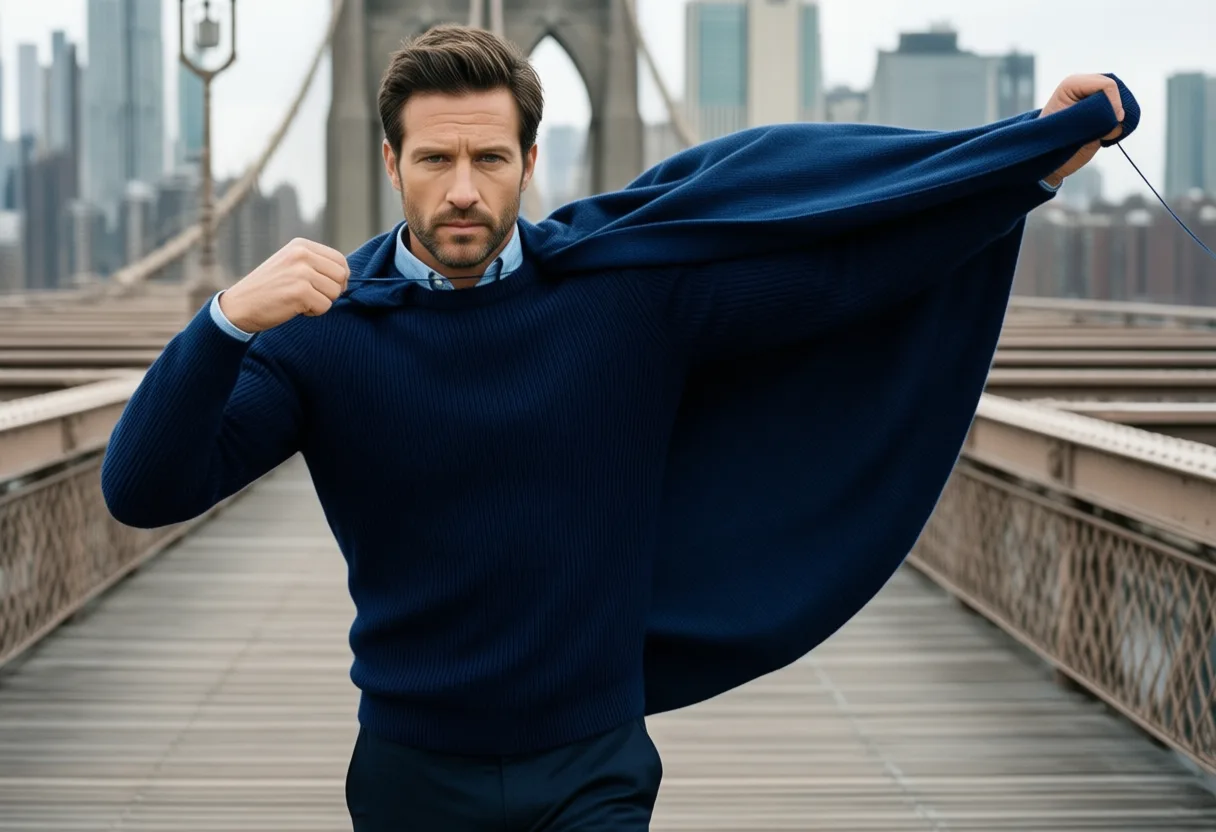
Try these combos: - Denim jacket over a turtleneck - Varsity-style zip-up under a topcoat - Utility vest layered on a long-sleeve tee - Wool-blend sweater tied over shoulders (yes, really-just don’t overthink it)
The mid-layer is also your climate negotiator. Too hot? Unzip, drape, remove. Too cold? Add another. It’s fashion with options.
Outer Game: Coats That Close the Deal
Your outer layer is the exclamation point. Not every sentence needs one, but when you use it right, people remember. This is the piece that cuts the wind, repels rain, and makes you look like you belong in a cinematic establishing shot.
A great coat doesn’t hide you-it frames you. Trench coats, pea coats, field jackets, bombers, topcoats-each carries its own vibe. The trench whispers sophistication. The bomber says weekend adventure. The wool overcoat? That’s your “I’ve got a reservation” energy.
Length matters. A cropped jacket keeps things agile; a longer cut adds drama and warmth. Shoulder fit is non-negotiable-nothing kills authority like sagging shoulders or tight seams pulling across the back.
Color-wise, neutrals dominate for a reason. Beige, charcoal, navy, olive, black-these play well with everything underneath. A camel coat works year after year because it’s timeless, not trendy.
Water resistance helps, but breathability matters more. Nothing ruins swagger like showing up sweaty under a plastic shell. Look for natural blends or modern fabrics that let you move without turning into a sauna.
Top-tier outer layer tips: - Break in your coat early-wear it around the house, walk in it, test pockets - Match metal hardware when possible (zippers, buttons) - Keep collars structured but not stiff - Store properly-never cram a good coat into a tiny closet
And remember: this layer spends the most time in public view. Make sure it’s saying something worth hearing.
Fabric Logic: Mixing Materials Without Clashing
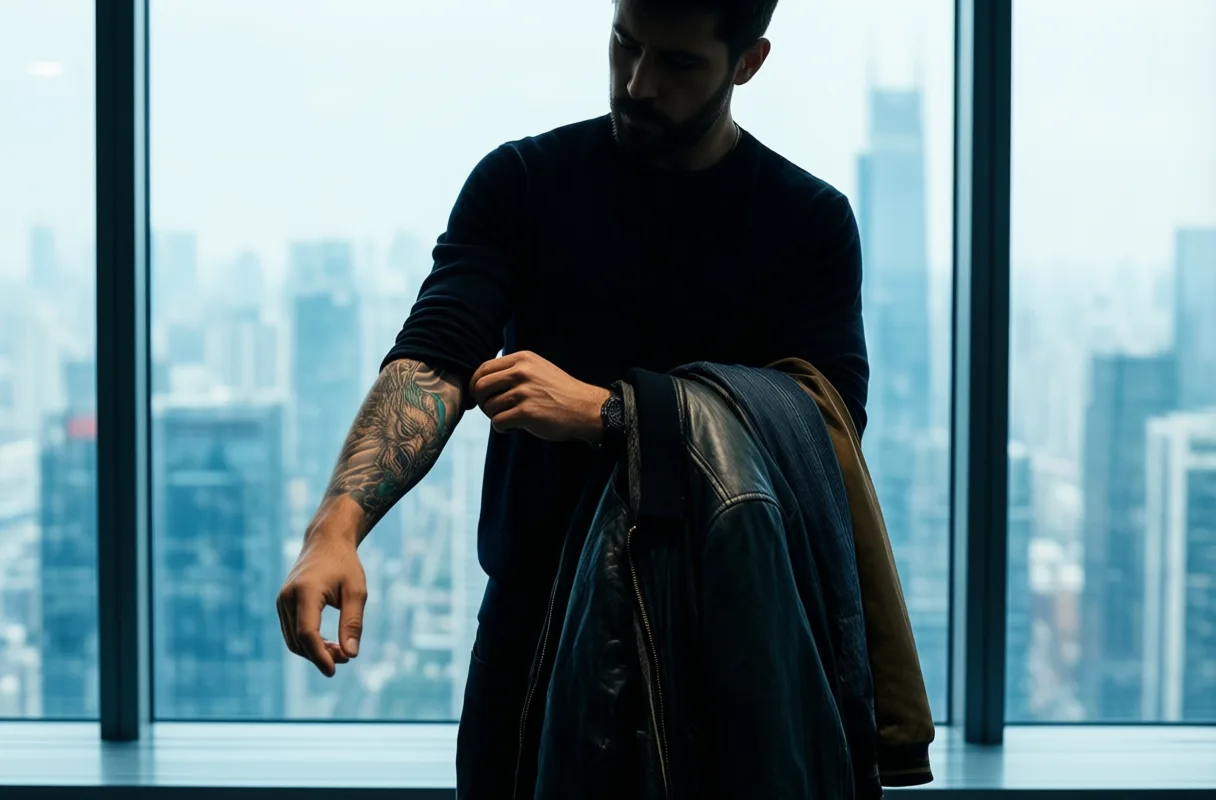
Throwing on three random shirts won’t make you stylish-it’ll make you look confused. The secret to Mens Fashion Layering is understanding how fabrics interact, both visually and physically.
Weight dictates order: lightest inside, heaviest outside. But texture creates contrast. Pair smooth cotton with nubby wool. Combine sleek nylon with soft flannel. Opposites attract-and they photograph better too.
Avoid doubling up on similar materials. Two thick knits stack like bricks. Two slick synthetics slide against each other and look cheap. Instead, create hierarchy: a fine-gauge merino under a cotton popover under a waxed canvas jacket.
Moisture management is stealth important. Natural fibers breathe but soak up sweat. Synthetics wick but can smell if worn too long. Merino wool? Best of both worlds-warm when wet, cool when dry, and it fights odor like a champ.
Common fabric pairings that work: - Cotton tee + wool sweater + trench coat - Silk blend shirt + denim jacket + overcoat - Technical base + fleece mid + shell jacket - Linen shirt + unstructured blazer + raincoat
Touch matters. Run your hand over the layers. Do they glide? Catch? Feel balanced? If it feels off, it probably looks off.
Color Choreography: Building a Palette That Works
You don’t need a degree in design to mix colors right. You just need a basic sense of harmony-and the courage to stick to a plan.
Neutrals are your foundation: black, gray, navy, beige, olive, white. These form the backbone of any strong wardrobe. Build outward from them, not around them. Think of them like instruments in a rhythm section-quiet, steady, holding the beat.
Then add accents. A burgundy sweater under a gray coat. Olive pants with a mustard henley. Even a patterned pocket square or sock can tie things together. The goal isn’t to match perfectly-it’s to complement.
Monochrome looks are powerful when done right. All navy, all black, all gray-but vary the shades and textures so it doesn’t look lazy. Dark jeans, medium sweater, light coat. Same color family, different moods.
Pro tip: use the “rule of three” for color balance. 1. Dominant shade (60% of outfit) 2. Secondary tone (30%) 3. Accent pop (10%)
That splash of red on your watch strap? That’s the 10%. The tan boots with navy everything? Secondary. The rest holds it down.
And never underestimate the power of footwear. Shoes ground the look-literally and stylistically. Brown boots warm up cool tones. Black shoes sharpen neutrals. White sneakers lighten heavy layers.

Seasonal Shifts: Adapting Your Layers Year-Round
The beauty of layering is that it scales. You’re not rebuilding your wardrobe every three months-you’re adjusting the stack.
Spring calls for light knits, water-resistant shells, and breathable bases. Think unlined chore coats, overshirts, and long-sleeve tees in moisture-wicking blends. A packable windbreaker lives in your bag like a secret weapon.
Summer nights reward the prepared. A linen shirt over a tank. A lightweight bomber for rooftop drinks. Even a thin merino scarf in desert climates-it blocks AC blasts without adding bulk.
Fall is layering’s golden hour. Crisp air, golden light, perfect conditions for wool sweaters, field jackets, and leather gloves. Build upward: tee, flannel, chore coat, scarf. Remove pieces as needed. Own the sidewalk.
Winter demands strategy. Start with a thermal base. Add a mid-weight sweater. Top with a lined jacket or overcoat. Gloves, hat, and proper boots complete the circuit. The trick? Stay warm without sweating-because dampness kills heat faster than cold.
Key seasonal mindset: - Spring: prepare for change - Summer: respect the night - Fall: embrace the transition - Winter: manage moisture first, then heat
And always carry a compact layer in your bag. A foldable puffer. A merino wrap. Something that solves the “I didn’t expect this” moment.
Final Touches: Accessories That Elevate Without Overdoing
Accessories aren’t afterthoughts-they’re punctuation. A belt cinches a look. A watch signals precision. A scarf? That’s pure theater.
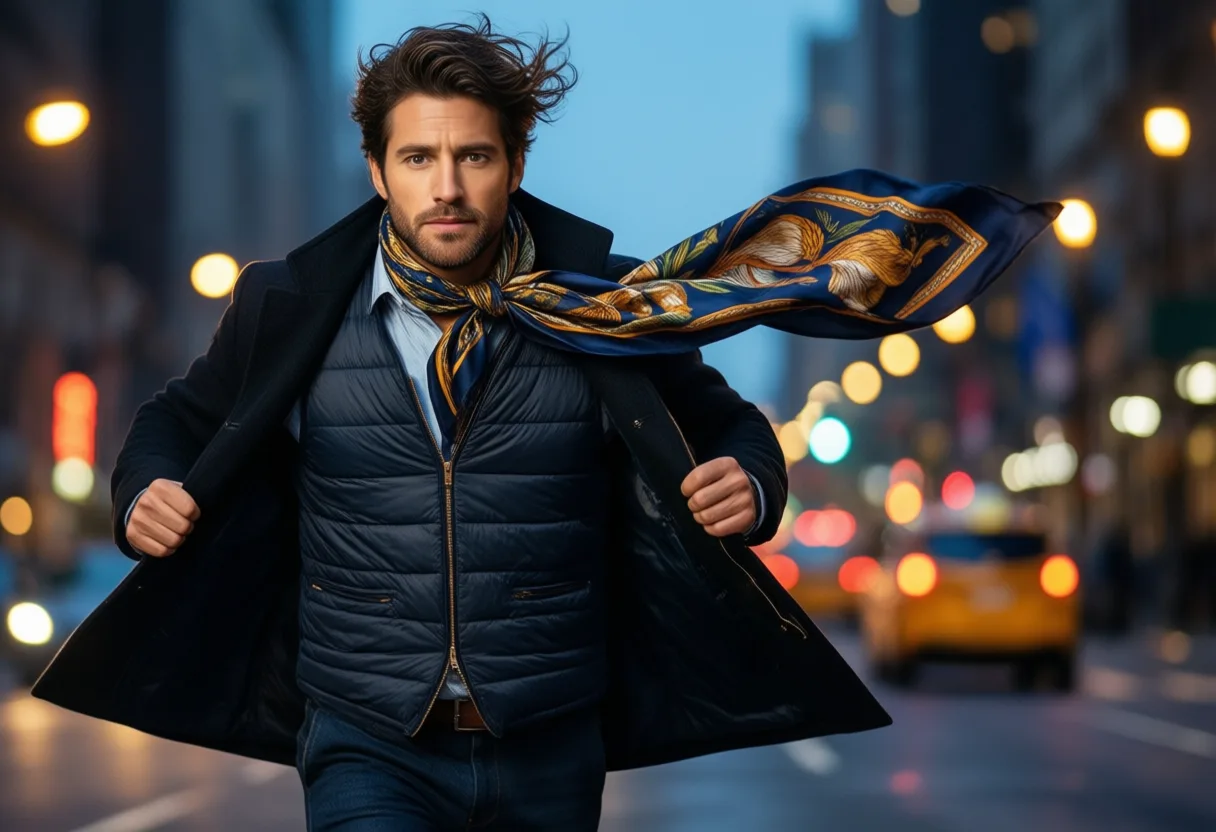
Scarves do double duty: warmth and style. Drape a cashmere blend loosely for elegance. Knot a wool scarf tight for city grit. Neutral tones go with everything. Bold patterns make statements.
Belts should match your shoes in color and vibe. Black with black. Brown with brown. No wild contrasts unless you’re going for rockstar chaos. Keep buckles simple-no logos, no gimmicks.
Gloves matter. Leather for polish. Knit for comfort. Touchscreen compatibility is now a must-nobody wants to peel off gloves to check a text.
Watches, sunglasses, even socks-each adds a whisper of character. A dark green sock with brown boots? Subtle flex. Tortoiseshell aviators with a navy coat? Instant cool.
But restraint wins. One standout accessory per outfit. More than that, and you look costumed. Less, and you might as well be wearing pajamas.
Remember: the best-dressed men don’t wear their clothes. Their clothes wear them-like a second nature.
| Season | Base Layer | Mid-Layer | Outer Layer |
|---|---|---|---|
| Spring | Moisture-wicking long-sleeve tee | Light knit or unlined chore coat | Water-resistant shell or packable windbreaker |
| Summer | Tank or lightweight merino tee | Linen shirt or thin sweater | Lightweight bomber or jacket |
| Fall | Fitted henley or mockneck | Flannel or wool sweater | Field jacket or leather coat |
| Winter | Thermal or merino base | Mid-weight sweater or fleece | Lined overcoat or parka |
Mastering the Art of Looking Put-Together Without Trying
The Origins of Layering? Think Practicality, Not Runways
Layering didn’t start as a style move-it began as survival. Centuries ago, men in colder climates wore multiple thin garments to trap body heat, long before fashion magazines existed. This basic principle still works today: air caught between layers acts as insulation, keeping you warm without bulk. That’s why a well-layered outfit in winter often feels lighter and more comfortable than one oversized coat.
The T-Shirt Trick Most Guys Overlook
A common mistake? Treating the base layer as an afterthought. But the right base does heavy lifting-literally and visually. Opt for slim-fitting, neutral-toned tees or lightweight merino wool tops. They stay hidden but shape your silhouette, preventing that puffy look when you add more pieces. Bonus: a subtly textured fabric, like slub cotton or fine ribbing, adds depth even if it’s mostly covered.
Three Layers Is the Sweet Spot
Fashion pros often stick to a simple rule: three layers max for everyday wear. Start with the base (shirt or tee), add a middle (like a sweater or shirt-jacket), then finish with an outer (coat or overcoat). More than that can look cluttered or restrict movement. The magic happens when each layer peeks just enough-cuff showing at the sleeve, collar at the neck-creating visual interest without chaos.
Color and Length Matter More Than You Think
For a clean look, vary the length of your layers. A longer shirt under a shorter jacket creates a natural gradient. Stick to tonal shades-charcoal over black, oatmeal over cream-or use one pop of color in the middle layer to surprise. Avoid matching top and bottom exactly; slight contrast keeps the eye moving and makes the outfit feel intentional, not accidental. Explore more stories, videos, and creators on Loaded.
Frequently Asked Questions
What are the three essential layers in men's fashion layering?
The three essential layers are the base layer (like a fitted tee or merino wool top), the mid-layer (such as a sweater or overshirt), and the outer layer (like a trench coat or overcoat). Each serves a functional and stylistic role.
Why is fabric choice important when layering clothing?
Fabric choice affects comfort, moisture management, and visual texture. Combining different materials-like cotton, wool, and nylon-creates contrast and balance while avoiding bulk or slipping between layers.
How can men adapt layering for different seasons?
In spring, use light knits and water-resistant shells. Summer nights call for linen shirts or lightweight bombers. Fall is ideal for wool sweaters and field jackets. Winter requires thermal bases, mid-weight sweaters, and lined outerwear to manage moisture and heat.
What role do accessories play in a layered outfit?
Accessories like scarves, belts, gloves, and watches add refinement and function. They serve as punctuation-enhancing style without overwhelming it-when used with restraint and coordination.
This article was produced with AI assistance. How Granite Magazine uses AI.
Quinn explores the nuances of men’s fashion and personal care with a focus on timeless elegance and modern practicality. They emphasize sustainable choices, intelligent design, and the psychology behind how men present themselves in evolving social landscapes.