Who Holds the Crown in Hip-Hop’s Pantheon?
The Rankings That Redefined Legacy
When two of music’s most trusted voices-Billboard and Vibe-drop a definitive list, you listen. Not because they’re always right, but because their choices ripple through barbershops, studios, and late-night debates like a bassline from a classic 808. In early 2023, they released “50 Greatest Rappers of All Time,” a ranking that didn’t just reflect history-it stirred it.
The list crowned Jay-Z as number one, a name that’s been etched into hip-hop’s Mount Rushmore for years. But what made this moment different was how it forced fans to confront not just who raps best, but What Makes greatness in a genre built on reinvention, survival, and swagger. This wasn’t just about Flow Or punchlines. It was about legacy, influence, and the quiet power of staying relevant across decades.
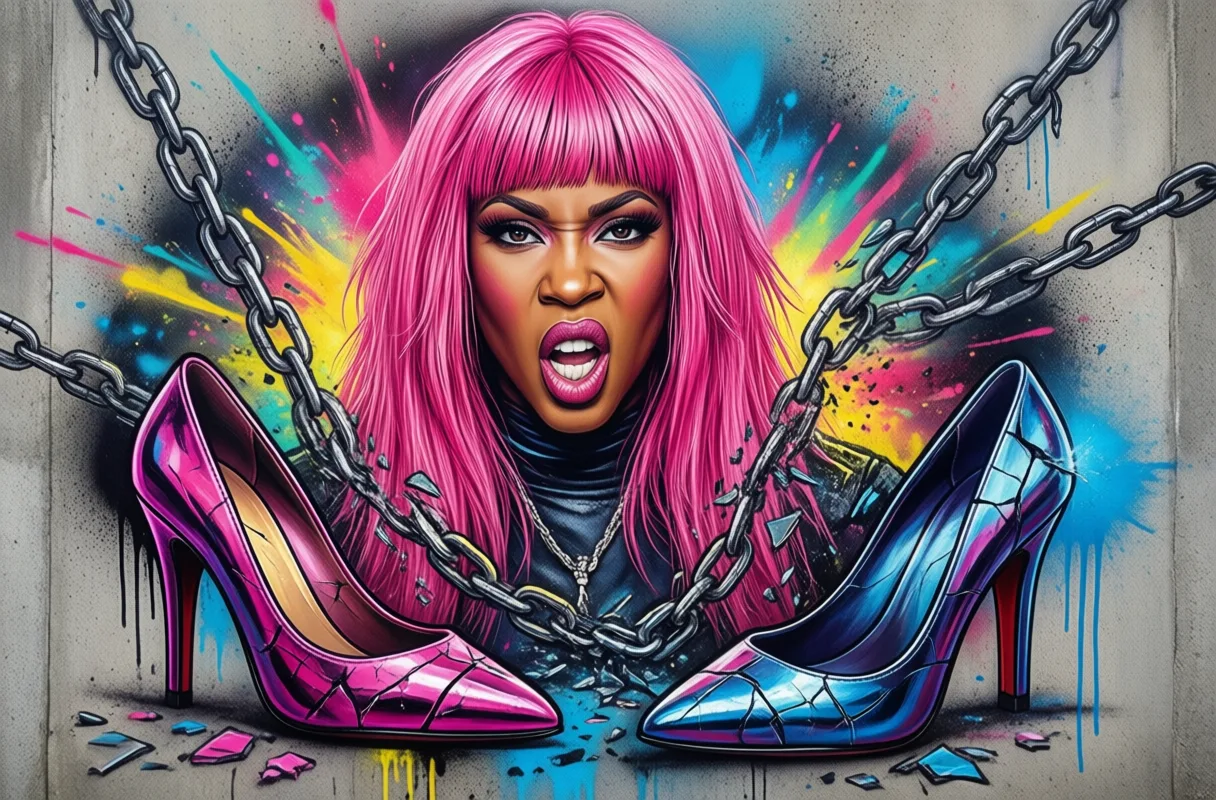
And yes, before you ask-Nicki Minaj was named the greatest female rapper of all time in the same announcement. A long-overdue recognition that talent cuts across gender, even when the spotlight doesn’t.
How One List Sparked a Cultural Reckoning A Closer Look at the Top 10
Lists like this do more than rank artists-they reveal how we value artistry over time. The Billboard and Vibe countdown, unveiled on February 8, 2023, didn’t just tally streams or sales. It measured impact: lyrical precision, cultural footprint, innovation, and staying power. What emerged was less a popularity contest and more a museum curation of hip-hop’s evolution.
Some fans were shocked. Others nodded along like they’d known it all along. Social media lit up with memes, rebuttals, and nostalgic deep cuts. Was Kendrick Really above Tupac? Could Drake sit comfortably above Biggie? These weren’t just arguments about music-they were conversations about memory, generation gaps, and what we demand from our icons.
What stood out was the consistency of certain names across eras and fanbases. Eminem, Nas, and Lil Wayne appeared not just here, but in forums, polls, and retrospectives stretching back years. Even a 2010 discussion on Historum echoed similar sentiments, naming Jay-Z, Eminem, and Wayne among the elite. Greatness, it seems, isn’t always debated-sometimes, it’s simply recognized.
Drake
Drake built an empire on vulnerability wrapped in bravado. He’s the guy who can make you cry in the club, then remind you he’s still winning. His blend of melody and rap redefined what a hit song could sound like, merging R&B’s ache with hip-hop’s edge.
He didn’t dominate through battle bars or street anthems, but through emotional intelligence and relentless consistency. Albums like Take Care And Nothing Was the Same Became generational touchstones, soundtracking breakups, come-ups, and everything in between.
While some critics argue he leans too heavily on singing, his influence is undeniable. He turned Toronto into a hip-hop capital and proved that sensitivity could sell out stadiums. Love him or not, he changed the game-and stayed at the top longer than most expected.
Lil Wayne
Lil Wayne arrived like a hurricane in a backwards hat, spitting metaphors so wild they felt improvised. His mixtape run in the mid-2000s-especially Da Drought 3 And Dedication 2-wasn’t just prolific; it was seismic. Rappers studied his flows like scripture.
He bridged Southern hip-hop with mainstream success, turning Cash Money Records into a national force. His voice, cadence, and unpredictability inspired a generation, including future superstars like Kendrick Lamar and Drake.
Even outside the Soul In Stereo list, which placed him at 20, his placement at number seven here reflects a broader consensus: few have ever freestyled with such fire or shaped modern rap’s vocabulary as deeply. When Weezy coughs, the genre listens.
- The Notorious B.I.G.
Biggie Smalls didn’t live long, but he packed a lifetime of storytelling into five years. His voice-thick, calm, effortless-made violence sound poetic and luxury feel inevitable. Tracks like “Juicy” and “Hypnotize” weren’t just songs; they were cinematic escapes.
He represented Brooklyn with a king’s confidence, turning street narratives into symphonies. There was no rush, no wasted breath. Every bar landed like a well-placed punch.
His posthumous influence looms large. You can hear him in J. Cole’s pacing, in Pusha T’s cold delivery, in the way modern rappers still chase that balance of menace and melody. He didn’t just rise-he rewired the blueprint.
Eminem
Eminem broke barriers not just as a white rapper in a Black art form, but as a storyteller with nothing to lose. His early work-The Slim Shady LP, The Marshall Mathers LP-was raw, chaotic, and technically brilliant. He rapped like his life depended on it.
His technical skill is unquestionable: multisyllabic rhymes, shifting personas, emotional whiplash. He could make you laugh, then gut you in the next verse. Few have matched his ability to blur fiction and reality so convincingly.
YouGov data ranks him as the most popular rap artist in the U.S., a testament to his lasting reach. Whether you grew up in Detroit or Dublin, Em gave voice to anger, alienation, and ambition in a way that transcended background.
Tupac
Tupac was more than a rapper-he was a prophet with a microphone. His music pulsed with urgency, mixing rage, poetry, and hope in equal measure. Songs like “Keep Ya Head Up” and “Changes” weren’t just hits; they were anthems for a generation searching for meaning.
He lived loudly and died young, but his catalog keeps growing. His ability to channel pain into power made him a symbol far beyond music. He spoke for the overlooked, the angry, the dreamers.
His rivalry with Biggie fueled legends, but his solo brilliance stands untouched. Decades later, his words still echo in protests, classrooms, and playlists worldwide. He wasn’t just present in history-he helped write it.
Nas
Nas dropped Illmatic At 20 and instantly redefined what a debut could be. Ten tracks, no features, pure New York grit. It’s often called the greatest hip-hop album ever-and while opinions vary, its influence is undisputed.
His pen game is surgical. He paints scenes with words, turning Queensbridge projects into vivid landscapes of struggle and survival. There’s intelligence in every line, a scholar’s mind behind the street slang.
Over decades, he evolved without losing his core. From It Was Written To King’s Disease, Nas proved longevity isn’t just about hits-it’s about depth. He’s the quiet master, respected by peers and critics alike.
Kendrick Lamar
Kendrick Lamar didn’t just enter the rap game-he interrogated it. With albums like To Pimp a Butterfly And Good kid, m.A.A.d city, he fused jazz, funk, and spoken word into a new kind of narrative rap. This wasn’t entertainment; it was therapy with a beat.
He tackles identity, trauma, faith, and systemic injustice with a novelist’s eye. His performances feel like sermons-intense, deliberate, unforgettable. When he speaks, people lean in.
Placing him at number two isn’t a slight-it’s a recognition that he’s still writing his legacy. He’s won Pulitzers, headlined festivals, and influenced everyone from poets to politicians. The crown may be Heavy, but he’s already proven he can carry it.
- Jay-Z
Jay-Z sits at number one not because he’s the flashiest or the loudest, but because he’s mastered the full spectrum of hip-hop excellence. Over 13 solo albums, he’s moved from street hustler to corporate titan without losing credibility. That balance is rare-and harder than it looks.
His flow is smooth, economical, loaded with double meanings. He doesn’t shout; he persuades. Tracks like “99 Problems” and “Empire State of Mind” aren’t just hits-they’re cultural landmarks.
Beyond music, he built Roc Nation, invested in Armand de Brignac, and turned his life into a case study in reinvention. He’s the ultimate example of how to win the game-and then change the rules. Number one? Most would say it’s overdue.
Beyond the Numbers: What Makes a Legend?
The Weight of Influence vs. Commercial Reach
Greatness in hip-hop isn’t just about who sold the most or trended the longest. It’s about who shifted the culture. Jay-Z’s business moves opened doors. Tupac’s lyrics became protest chants. Nas’ Illmatic Is taught in universities.
Commercial success matters-Eminem’s dominance in YouGov’s popularity rankings proves that-but it doesn’t tell the whole story. Influence lingers in ways charts can’t capture. It’s in the way a young artist mimics a flow, or a producer samples a snare from a 30-year-old track.
Legends are measured in echoes. How many careers did they launch? How many styles did they inspire? A rapper might not top every list, but if their DNA runs through the genre, they’ve won.
Where Are the Women in the Conversation?
The Unseen Architect of the Sound
Hip-hop has long been framed as a man’s game, but that ignores the women who shaped it from the start. While the top 10 lists often skew male, the official Billboard and Vibe announcement made one thing clear: Nicki Minaj was named the greatest female rapper of all time.
That’s not just symbolic-it’s earned. Her mixtapes, her stage presence, her chameleon-like ability to switch flows and personas set a new standard. She brought theatricality back to rap and made space for others to follow.
Artists like Missy Elliott, Lauryn Hill, and Queen Latifah have also left indelible marks, even if they don’t crack the upper tier of these particular rankings. Their innovations in production, lyricism, and performance laid groundwork others still walk on.
Why Some Titans Missed the Upper Tier Legacy in the Margins
Not every legend fits neatly into a top 10. Snoop Dogg, Ice Cube, and KRS-One are titans in their own right, yet land outside the highest ranks here. That doesn’t diminish them-it reflects how narrowly these lists define “greatest.”
Snoop’s influence stretches beyond music into lifestyle, film, and weed culture. Ice Cube helped birth West Coast gangsta rap and transitioned into Hollywood with ease. KRS-One preached knowledge and revolution with unmatched conviction.
Then there’s Kanye West, Jadakiss, T.I., and Ghostface Killah-names that pop up in fan forums and retrospectives but didn’t make this cut. Their absence speaks less to talent and more to the subjective nature of legacy. Some artists burn bright; others burn long.
What These Lists Reveal About Hip-Hop’s Soul
The Final Word on Greatness
At its core, hip-hop rewards authenticity, innovation, and endurance. The Billboard and Vibe list isn’t gospel-it’s a snapshot of how we view the culture at this moment. Jay-Z on top feels right now, but ask again in ten years, and the answer might shift.
What remains constant is the hunger for truth in the music. Whether it’s Biggie’s unfiltered realism or Kendrick’s layered introspection, the best rappers make us feel seen. They turn personal pain into public poetry.
So where does greatness lie? Not in a number, but in the way a verse stops you mid-step. In the beat that pulls you back in. In the legacy that lives on in every kid picking up a mic, dreaming of their own crown.
The Legends and Lifers of Hip-Hop
Who Tops the Charts?
Jay-Z claims the number one spot on the Billboard and Vibe list of the 50 Greatest Rappers of All Time, a ranking unveiled in February 2023. This placement cements his legacy not just as a hitmaker, but as a cultural architect whose influence stretches far beyond music. Right behind him, Kendrick Lamar holds the second position, reflecting his critical acclaim and powerful storytelling that resonated deeply in the 2010s and beyond. The Notorious B.I.G. And Tupac Shakur land at numbers six and four respectively, a testament to their enduring impact despite tragically short careers.
The Heavyweights and Hidden Gems
Drake ranks eighth on the same list, a nod to his unmatched commercial dominance and genre-blurring style that defined much of the 2010s. Eminem, known for his technical skill and explosive delivery, sits at number five, while Lil Wayne clocks in at number seven, recognized for his prolific output and influence on a generation of rappers. Other names like Nas, Snoop Dogg, Ice Cube, and Big Daddy Kane appear across various rankings, showing how different lists highlight different strengths-whether it’s lyrical complexity, cultural reach, or longevity. Even Nicki Minaj earns a historic mention, named the greatest female rapper of all time by the same 2023 Billboard and Vibe collaboration, marking a milestone in hip-hop’s recognition of women’s contributions. Explore more stories, videos, and creators on Loaded.
Frequently Asked Questions
Who is ranked as the number one rapper of all time by Billboard and Vibe?
Jay-Z is ranked as the number one rapper of all time by Billboard and Vibe in their 2023 list of the 50 Greatest Rappers of All Time.
Who was named the greatest female rapper of all time by Billboard and Vibe?
Nicki Minaj was named the greatest female rapper of all time in the 2023 Billboard and Vibe announcement.
When was the Billboard and Vibe list of the 50 Greatest Rappers released?
The Billboard and Vibe list of the 50 Greatest Rappers of All Time was released on February 8, 2023.
Who are the top two rappers on the Billboard and Vibe list?
Jay-Z is ranked number one and Kendrick Lamar is ranked number two on the Billboard and Vibe list.
This article was produced with AI assistance. How Granite Magazine uses AI.
Quinn explores the nuances of men’s fashion and personal care with a focus on timeless elegance and modern practicality. They emphasize sustainable choices, intelligent design, and the psychology behind how men present themselves in evolving social landscapes.