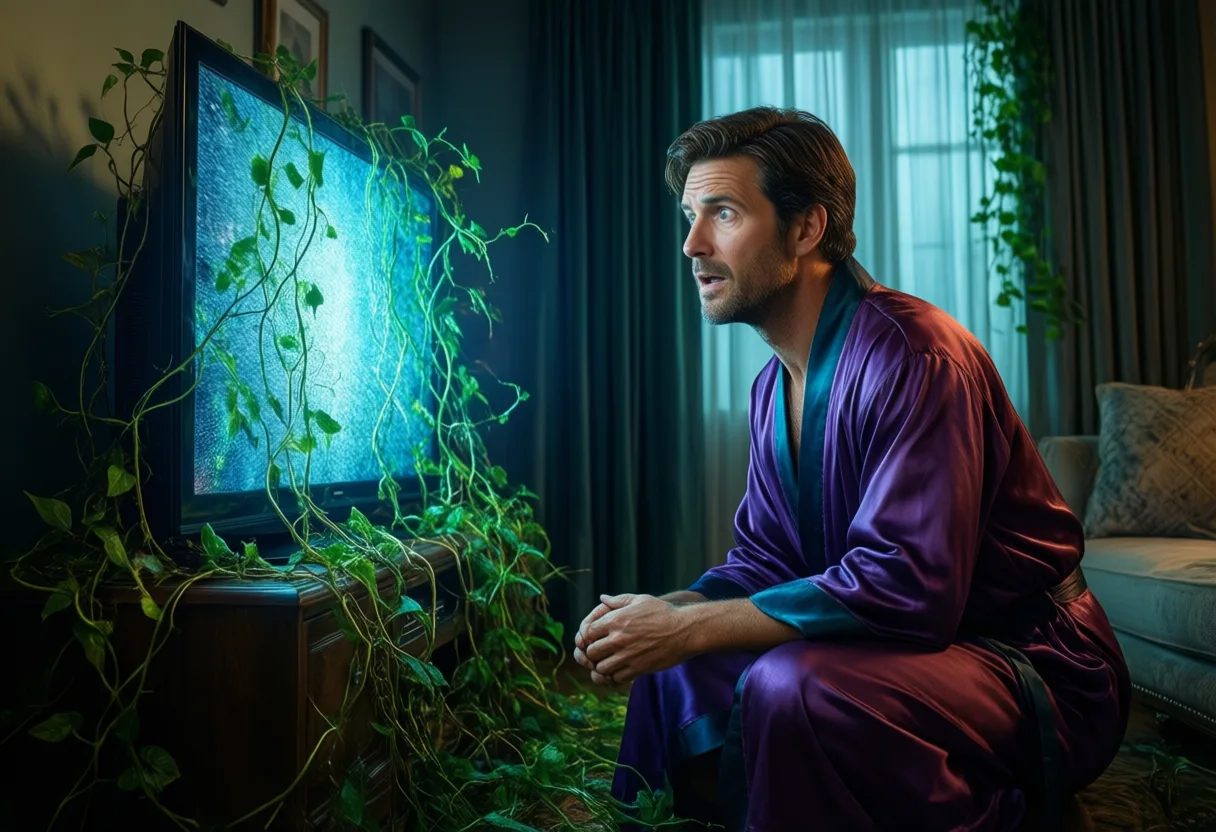

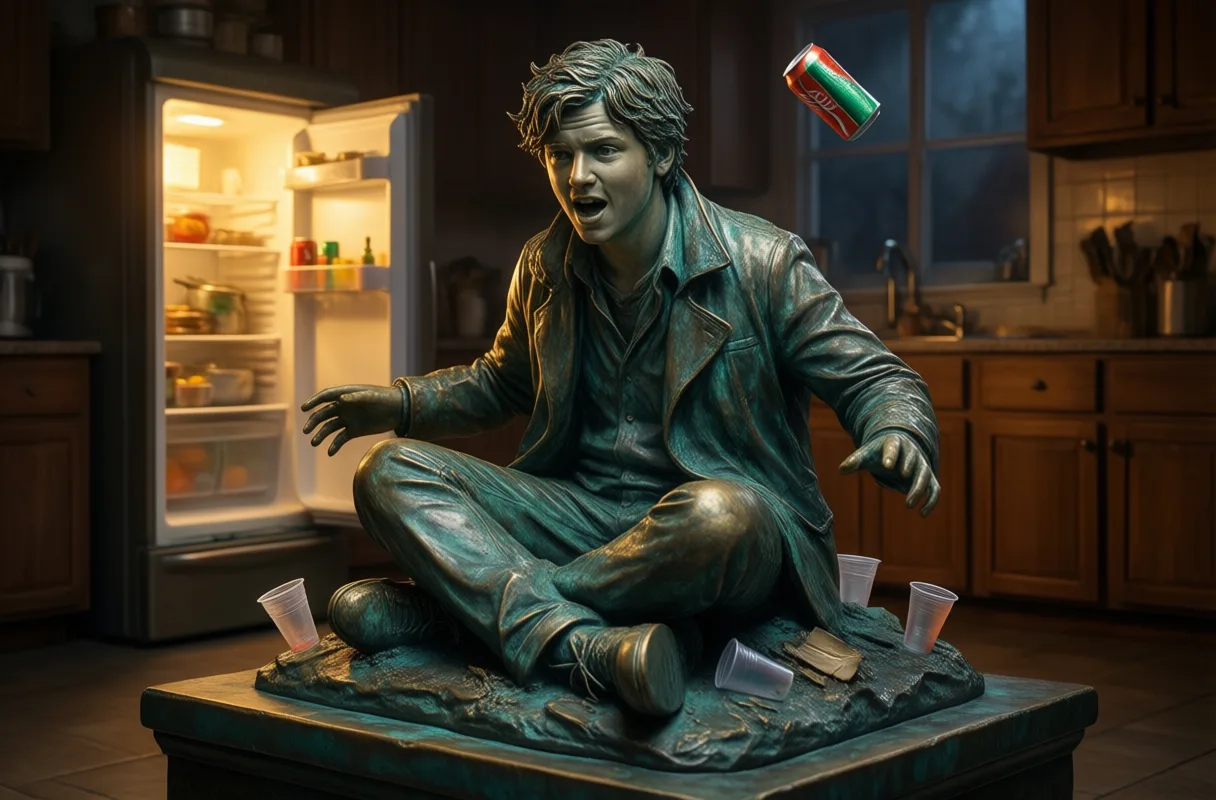
There’s a moment in Superbad When Evan, played by Michael Cera, stands frozen in a kitchen, eyes wide, mouth slightly open, as the world around him spirals into chaos. It’s not a punchline. It’s not even a line of dialogue. But that look-equal parts panic, hope, and hormonal bewilderment-Captured The essence of a generation of young men who didn’t want to be cool, they just wanted to survive high school with their dignity intact.
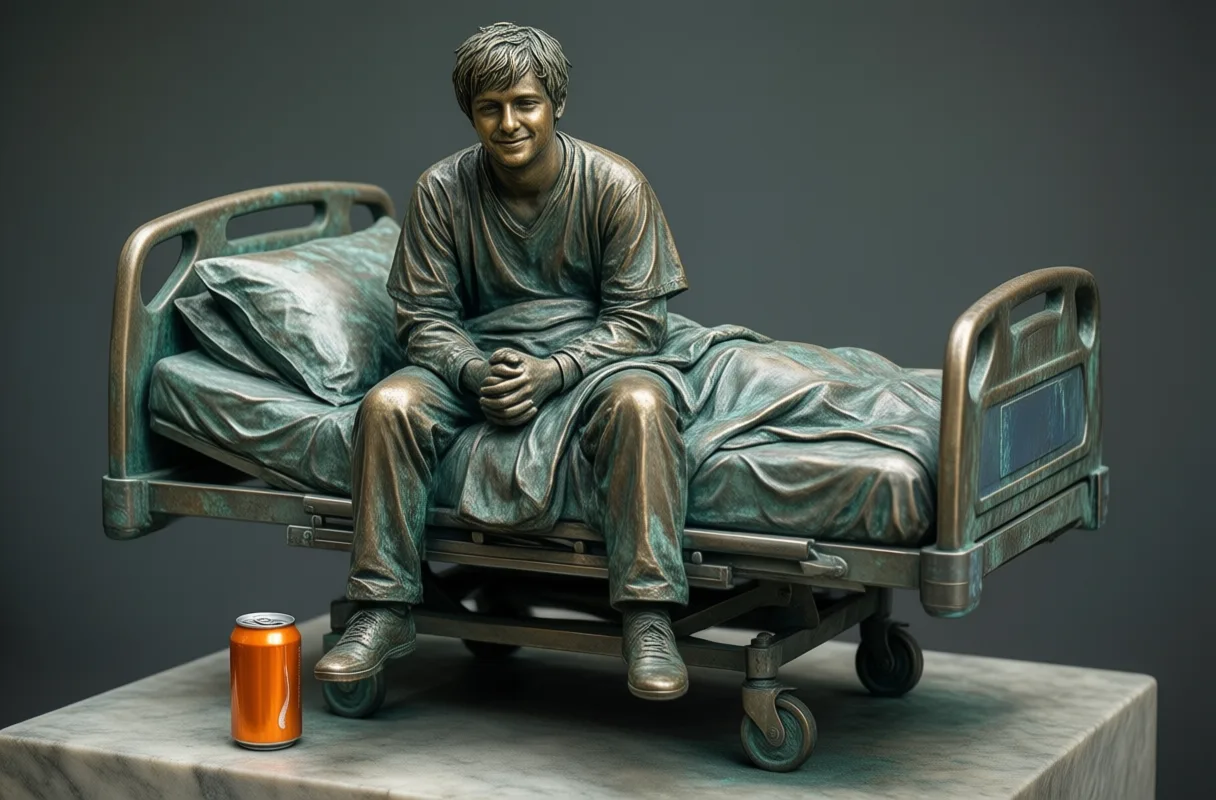
Fast forward a few months later, and there he is again-this time sitting on a hospital bed in Juno, offering a quiet, awkward smile that somehow says more than any grand romantic gesture ever could. In 2007, Michael Cera didn’t just appear in two of the most Talked-about films Of the year. He became the unlikely voice of a new kind of masculinity-one defined not by swagger or bravado, but by honesty, vulnerability, and the courage to be a little weird.
What Made Michael Cera the Voice of a Generation?
The Unlikely Rise of a Quirky Screen Presence
Michael Cera wasn’t built for the Hollywood mold. He didn’t have the chiseled jaw of a leading man or the booming confidence of a stand-up comic. What he did have was a presence so genuine it felt like catching someone in real life mid-thought. Before Superbad And Juno, Cera had already made a name for himself as George Michael Bluth on the cult-favorite sitcom Arrested Development, where his deadpan delivery and repressed emotions became a running joke-and a strangely relatable one.
His character, the overly polite, perpetually anxious son of a morally bankrupt family, was the emotional anchor in a show full of absurdity. That role trained audiences to listen closely, to lean in when Cera spoke, because he wasn’t going to shout over the noise. He didn’t need to. His performance taught viewers that Quiet could be powerful, and that restraint could be funnier than any punchline.
When Cera stepped into the world of feature films, he brought that same energy-measured, thoughtful, and disarmingly real. He wasn’t trying to be the funniest guy in the room. He just happened to be the one who made you laugh the hardest by doing the least. That subtlety became his signature, and in a comedy landscape often dominated by loud, over-the-top performances, Cera’s understated style stood out like a whisper in a rock concert.
How Superbad Redefined Teen Comedy-And Launched a Star
Superbad Wasn’t just a hit. It was a cultural reset. Written by Seth Rogen and Evan Goldberg, the film followed two socially awkward teenagers, Evan and Seth, as they navigated the final days of high school in pursuit of alcohol, parties, and fleeting connections with Girls. The movie was raunchy, fast-paced, and full of big, outrageous moments-but its heart beat in the quieter scenes between the two leads.
Michael Cera’s Evan was the emotional center of the film. While Jonah Hill’s Seth ranted and raved, Cera’s character held back, processing every social misstep with the intensity of a chess grandmaster. His performance wasn’t about one-liners. It was about Timing, expression, and the unbearable weight of teenage insecurity. When he nervously handed over his fake ID or stammered through a conversation with a girl, it wasn’t just funny-it was painfully familiar.
What made Cera’s role so groundbreaking was how it flipped the script on the traditional teen movie archetype. The “best friend” wasn’t just comic relief. He was the one the audience rooted for. He wasn’t the loudest, the coolest, or the most confident-but he was the most human. In a genre that often glorified excess, Superbad Celebrated the kid who just wanted to do the right thing, even if he had no idea what that was.
The Awkward Charm That Won Over Audiences
Michael Cera didn’t play cool. He played real. His characters were defined by their hesitation, their stammers, their inability to say the right thing at the right time. And yet, audiences loved him. Not despite his awkwardness, but because of it. In an era where social media was beginning to demand constant performance, Cera’s on-screen persona was a relief-a reminder that it was okay to be unsure, to fumble, to feel too much.
His delivery-soft-spoken, slightly off-rhythm, often trailing off mid-sentence-became instantly recognizable. It wasn’t lazy acting. It was precision. Every pause, every glance, every half-smile was loaded with meaning. You didn’t just hear what he was saying. You felt it. And in a world where men were often pressured to project strength and certainty, Cera’s vulnerability was revolutionary.
He didn’t need to flex or boast. His charm came from authenticity. Whether he was trying to impress a girl, navigate a social disaster, or just survive a night gone wrong, Cera made you believe every second of it. He wasn’t playing a character. He was holding up a mirror.
Playing the Best Friend Who Quietly Stole the Show
In most teen comedies, the best friend exists to support the hero’s journey. But in Superbad, the lines blurred. Evan wasn’t just supporting Seth. He was his equal, his counterbalance, his conscience. And while Seth chased chaos, Evan chased connection. That dynamic gave the film its emotional weight-and gave Cera the space to shine.
His performance wasn’t about stealing scenes. It was about Anchoring them. When the wild antics of the night threatened to spiral out of control, it was Cera’s grounded presence that brought the audience back. He was the calm in the storm, the voice of reason in a world gone mad. And yet, he never felt preachy or dull. His humor came from observation, not imitation.
Cera had a gift for making silence speak volumes. A raised eyebrow, a nervous laugh, a slow blink-these were his tools. He didn’t need to shout to be heard. And in doing so, he redefined what it meant to be a leading man in a comedy. You didn’t have to be the loudest to be the most memorable.
A Breakthrough Defined by Authenticity and Timing
2007 was a turning point in American comedy. The crude, over-the-top humor of the early 2000s was giving way to something smarter, more personal, more introspective. Audiences were ready for characters who felt like real people, not caricatures. And Michael Cera arrived at exactly the right moment.
His roles in Superbad And Juno Weren’t just successful. They were Culturally resonant. They spoke to a generation of young men who were tired of pretending to have it all figured out. Cera’s characters didn’t have answers. They had questions. They were nervous, uncertain, and deeply empathetic. And in that uncertainty, they found strength.
The timing was perfect. Social media was on the rise, anxiety was becoming a mainstream conversation, and the idea of emotional intelligence in men was slowly gaining traction. Cera didn’t preach about any of this. He just lived it on screen. And in doing so, he became a symbol of a new kind of cool-one that didn’t require bravado, just honesty.
From Sideline Laughs to Emotional Centerpiece
In Juno, Michael Cera stepped even further into the spotlight-not as the sidekick, but as the emotional core of the story. As Paulie Bleeker, the shy, track-suited boyfriend of the titular character, he delivered a performance that was both hilarious and heartbreaking. He wasn’t the typical romantic lead. He didn’t sweep Juno off her feet with grand gestures. He brought her a pie. He ran laps. He listened.
And yet, his presence was magnetic. There was a tenderness in the way he looked at Juno, a quiet devotion that felt more real than any movie romance in years. When he sat by her side in the hospital, holding her hand, saying almost nothing-Cera conveyed everything. Love didn’t have to be loud to be deep.
Paulie Bleeker wasn’t just a boyfriend. He was a safe space. In a film full of sharp dialogue and quirky characters, Cera’s performance was the still point in the turning world. He reminded audiences that Love could be simple, that care could be quiet, and that strength could look like showing up, even when you’re scared.
Juno: Subverting Expectations with Understated Depth
Juno Was a film that defied easy categorization. It was a comedy, a drama, a coming-of-age story, and a social commentary-all wrapped in a witty, offbeat package. And at its center was a romance that refused to play by the rules. Juno and Paulie weren’t a flashy couple. They were awkward, tentative, and deeply sincere.
Cera’s performance was key to that sincerity. He didn’t try to make Paulie cool. He made him kind. He didn’t force charisma. He let it emerge naturally, in small gestures-a shy smile, a nervous wave, a perfectly timed “I love you” delivered with zero fanfare. It was the kind of moment that made you lean forward and whisper, “Yeah. That’s real.”
The film challenged the idea that romance had to be dramatic to be meaningful. Cera and Juno’s relationship was built on mutual respect, quiet support, and a shared sense of humor. It wasn’t about passion. It was about presence. And in a genre that often glorified grand romantic gestures, Juno Offered something radical: A love story where the quiet guy wasn’t the punchline-he was the hero.
Balancing Humor and Heart in a Single Glance
One of Michael Cera’s greatest talents is his ability to shift tone in an instant. A scene can be laugh-out-loud funny one moment and deeply moving the next-and often, it’s Cera who makes that transition seamless. He doesn’t need music or dramatic lighting. He just needs a look.
In Juno, there’s a moment when Paulie finds out Juno is pregnant. He doesn’t yell. He doesn’t run. He just sits there, processing. And in that silence, Cera communicates shock, fear, confusion, and a flicker of hope-all without saying a word. It’s a masterclass in emotional economy.
His humor works the same way. It’s not in the lines he delivers, but in the way he delivers them. The pause before the punchline. The slight tilt of the head. The way he seems to be thinking two steps ahead of everyone else, even when his character is clearly lost. Cera’s comedy isn’t loud. It’s Layered, built on the tension between what’s said and what’s felt.
The Double Impact of Two Iconic 2007 Films
In a single year, Michael Cera starred in two films that would go on to define a generation of comedy. Superbad And Juno Weren’t just box office successes. They were cultural touchstones-films that shaped the way young people saw themselves, their relationships, and their futures.
What made the double impact so remarkable was how different the roles were. Evan in Superbad Was all nervous energy and social anxiety. Paulie in Juno Was calm, grounded, almost serene. And yet, both characters felt like extensions of the same truth: that Being yourself, even when you’re unsure, is the bravest thing you can do.
Cera didn’t repeat himself. He evolved. And in doing so, he proved he wasn’t a one-note performer. He was a chameleon with a consistent core-someone who could make you laugh, make you cry, and make you feel seen, all in the span of a single scene.

Why He Was More Than Just a Typecast
It would have been easy to write Michael Cera off as a typecast-the shy, awkward teen who stammers through life. But that would have missed the point. Cera didn’t play the same character over and over. He played variations on a theme: The sensitive man in a world that doesn’t always value sensitivity.
His roles challenged the idea that men had to be loud, aggressive, or emotionally detached to be compelling. He proved that introspection could be heroic, that listening could be powerful, and that kindness could be cool. And he did it without ever preaching or forcing a message.
Cera’s performances were subtle, but their impact was seismic. He opened the door for a new kind of male protagonist-one who didn’t need to save the world to be worthy of the spotlight. He just needed to be honest.
What His Early Roles Revealed About a Shifting Comedy Landscape
The success of Superbad And Juno Wasn’t just about Michael Cera. It was about a shift in what audiences wanted from comedy. The era of the invincible, hyper-masculine jock was fading. In its place rose a new archetype: the thoughtful, emotionally available, slightly neurotic young man who wasn’t afraid to say “I don’t know.”
Cera was at the forefront of that shift. His characters weren’t perfect. They were anxious, indecisive, and often overwhelmed. But they were also empathetic, loyal, and deeply human. And in a world that was becoming increasingly complex, that kind of authenticity was refreshing.
Comedy was growing up. And Cera was one of its most articulate voices-using silence, stillness, and sincerity to say what others needed a megaphone to express.
The Lasting Influence of Quiet, Observant Characters
More than fifteen years after Superbad And Juno, Michael Cera’s influence is still felt. You see it in the rise of deadpan comedians, in the popularity of anti-hero protagonists, and in the growing acceptance of vulnerability as a form of strength.
The quiet guy is no longer relegated to the sidelines. He’s leading the story. And that shift started, in part, with Cera’s performances-where a glance could carry more weight than a monologue, and a stammer could feel like a revelation.
For modern men navigating a world that demands both confidence and emotional intelligence, Cera’s work remains a quiet reminder: You don’t have to be the loudest in the room to be the most memorable. Sometimes, all it takes is the courage to be exactly who you are.
From Awkward Teen to Indie Icon
You might know Michael Cera as the quiet kid with perfect comedic timing, but his rise to fame happened almost overnight with two back-to-back 2007 hits that defined a generation of teen comedy. Born in Brampton, Ontario, Cera first won hearts as the overly polite George Michael Bluth on the cult-favorite sitcom Arrested Development, but it was his film roles that truly launched him into the spotlight.
The Summer of '07: Superbad and Juno
That same year, he starred in both Superbad And Juno, films that couldn’t have been more different in tone but both became instant classics. In Superbad, Cera played Evan, a nervous high schooler navigating friendship and teenage hormones alongside Jonah Hill and Christopher Mintz-Plasse. His deadpan delivery and painfully realistic awkwardness made him the heart of the raunchy comedy. Just months later, he appeared in Juno As Paulie Bleeker, the calm, track-suited boyfriend of the title character. His quiet sincerity and iconic habit of running laps in his own backyard gave the film one of its most endearing romances.
More Than Just a One-Year Wonder
What’s wild is that both films arrived within months of each other, making 2007 a breakout year few actors ever experience. Cera wasn’t just lucky-he was suddenly everywhere, known for playing smart, shy guys with a dry sense of humor. His real-life Canadian accent slipped through in Superbad, even though his character was supposed to be American, adding to the charm. And while he was becoming a household name, he was still only 19 years old, proving he had serious range beyond just playing variations of the same awkward teen.
Frequently Asked Questions
What roles made Michael Cera famous in 2007?
Michael Cera became famous for playing Evan in Superbad and Paulie Bleeker in Juno, two breakout roles released in 2007 that showcased his signature awkward, sincere screen presence.
How did Michael Cera's performance in Superbad stand out?
In Superbad, Cera’s performance stood out due to his quiet, anxious portrayal of Evan, which contrasted with the film’s raunchy humor and made him the emotional center of the story.
What was unique about Michael Cera's character in Juno?
In Juno, Cera played Paulie Bleeker, a calm and kind boyfriend whose quiet devotion and understated gestures, like bringing a pie and running laps, made him a deeply sincere romantic lead.
How did Michael Cera influence comedy and masculinity in film?
Cera influenced comedy by redefining male leads through vulnerability and honesty, showing that quiet, sensitive characters could be compelling and heroic without relying on bravado or loudness.
This article was produced with AI assistance. How Granite Magazine uses AI.
Rhea examines the intersection of professional ambition and cultural identity, spotlighting how modern men navigate purpose, ethics, and growth. Her work blends narrative depth with sociological insight across industries and life stages.