Hip-hop isn’t just music-it’s a battlefield of words, rhythm, and raw influence. One name might top the charts today, but tomorrow? A new king rises in the streets, on playlists, or in late-night debates between friends. The title of best rapper of all time is never really settled-it's contested daily in bars, barbershops, and backstage at sold-out arenas.
What Defines the Greatest in Hip-Hop History?
Greatness in rap isn’t just about who sold the most records or had the flashiest videos. It’s about Lyricism, Influence, and how deeply your voice cuts into culture. Some Rappers changed The game with metaphors so sharp they rewired brains. Others flipped slang into global dialects, turning street talk into poetry that crossed oceans.
Then there’s longevity-how long can you stay relevant without repeating yourself? Jay-Z built an empire not just on beats, but on business moves that made him a billionaire. Kendrick Lamar dropped albums that felt like sermons, dissecting race, trauma, and triumph over jazz-infused tracks. These aren’t just artists-they’re architects.
And let’s not forget authenticity. Fans sniff out fakes faster than expired milk. That’s why Names like Nas and The Notorious B.I.G. Still echo decades after their peaks-their stories were real, their flow undeniable. You don’t need to have grown up in Brooklyn to feel “Illmatic” in your bones.
Why Does the Ranking Never Stay Settled?
Because hip-hop thrives on competition. Every generation thinks Their Guy is the one. Millennials swear by Eminem’s lightning-fast Delivery and emotional chaos. Gen Z leans hard into Kendrick’s layered storytelling and social fire. Meanwhile, old heads will tell you Pac spoke for a generation lost too soon.
There’s also the regional pride factor. East Coast purists live for complex rhyme schemes. West Coasters ride for laid-back flows and gangsta narratives. The South brought trap music to the mainstream, making stars out of rappers who turned pain into platinum. No Single list Can satisfy every crew.
Plus, timing matters. An artist might dominate for five years, then fade-while another builds slowly, gaining respect over time. That’s how someone like Lil Wayne went from Hot Boys hype man to a generational bridge, influencing Drake, Nicki Minaj, and beyond. Legacy isn’t instant-it’s earned.
The Evolution of Influence: From Street Corners to Global Arenas
Rap started with block parties and boomboxes, but now it fills stadiums and shapes fashion runways. Early pioneers scratched verses over borrowed beats, speaking truth to power before anyone called it “conscious rap.” Fast forward to today, and rappers headline Coachella, launch billion-dollar brands, and advise presidents.
Jay-Z didn’t just rap about wealth-he became the blueprint for escaping poverty through sheer will and intellect. His career mirrors hip-hop’s own rise: scrappy underdog to dominant force. He’s proof that Control of your masters Means control of your future-a lesson every ambitious man should study.
Meanwhile, Kanye West rewrote the rules by treating albums like art installations. “My Beautiful Dark Twisted Fantasy” wasn’t just music-it was cultural commentary wrapped in symphonic noise. Love him or hate him, he forced the industry to see rappers as multidimensional creators, not just performers.
Even newer forces like Kendrick used Compton as a lens to explore systemic injustice, making “To Pimp a Butterfly” required listening in college classrooms. This evolution-from entertainment to education-shows how far the genre has come.

How Lyricism Became Legacy Across Decades
Lyricism separates technicians from legends. It’s not just about rhyming “cat” with “hat”-it’s about stacking syllables so tight they snap like rubber bands. Nas did it on “N.Y. State of Mind,” painting paranoia and brilliance in the same breath. Biggie told cinematic stories where every verse felt like a scene from a Scorsese film.
Eminem mastered internal rhyme to the point it seemed unnatural-like his brain processed language at double speed. Tracks like “Lose Yourself” weren’t just motivational anthems; they were technical masterclasses disguised as inspiration. And yet, he poured vulnerability into every bar, making pain sound powerful.
Then there’s Jadakiss, often overlooked on mainstream lists but revered among connoisseurs for his punchlines and cold-blooded clarity. On forums like History Forum, fans argue fiercely for figures like him-proof that greatness isn’t always measured by fame.
Who Holds the Crown on the Official Charts?
According to Billboard’s list of the 50 Greatest Rappers of All Time, the top spot goes to Jay-Z. That’s right-Hov sits at number one, ahead of titans like Tupac, Nas, and Eminem. It’s a nod to consistency, innovation, and Impact across Three decades.
But here’s the twist: earlier rankings from Billboard and Vibe once placed The Notorious B.I.G. At the summit. This shift shows how opinions evolve-even institutions change their minds when legacy deepens and new talent emerges. Biggie’s influence remains massive, especially in New York, where his shadow still looms large.
Drake clocks in at number eight on the same list, which surprises some given his streaming dominance. But remember-charts measure popularity, not just skill. Drake’s global reach is unmatched, but debates continue over whether numbers equal greatness.
The Billboard Standard: A Pecking Order That Sparks Debate
Billboard’s ranking leans heavily on influence, technique, and cultural footprint-not just Sales. That’s why Kendrick Lamar lands at number two despite fewer years in the game than others. Each album feels like an event, dissected line by line by fans and critics alike.
Lauryn Hill stands alone as the only woman on the original Billboard and Vibe list-a testament to her singular impact with “The Miseducation of Lauryn Hill.” She blended soul, rap, and raw honesty in a way no one saw coming and few have matched since.
Still, any official list sparks backlash. Where’s Missy Elliott? Why is 50 Cent ranked above Rakim on some fan boards? These omissions fuel arguments in threads like the History Forum discussion where users champion underground icons and slept-on legends.
A Closer Look at the Top Tier: Impact Beyond Numbers
Some rappers don’t need chart positions to command respect. Take Nas-his debut “Illmatic” barely cracked the top 30 on release, but now it’s taught in universities. That kind of staying power can’t be measured by first-week sales.
Tupac’s legacy grew exponentially after his death. He wasn’t just a rapper-he was a poet, actor, and activist rolled into one turbulent, magnetic life. His ability to channel rage, love, and political fury made him a symbol far bigger than music.
Kanye West’s influence stretches beyond lyrics into design, sound engineering, and even spirituality. Whether it’s Yeezy season drops or Sunday Service choirs, he operates on multiple planes. You might not agree with everything he says, but you can’t deny he thinks differently.
Voices That Shaped the Culture Without Chart Placement
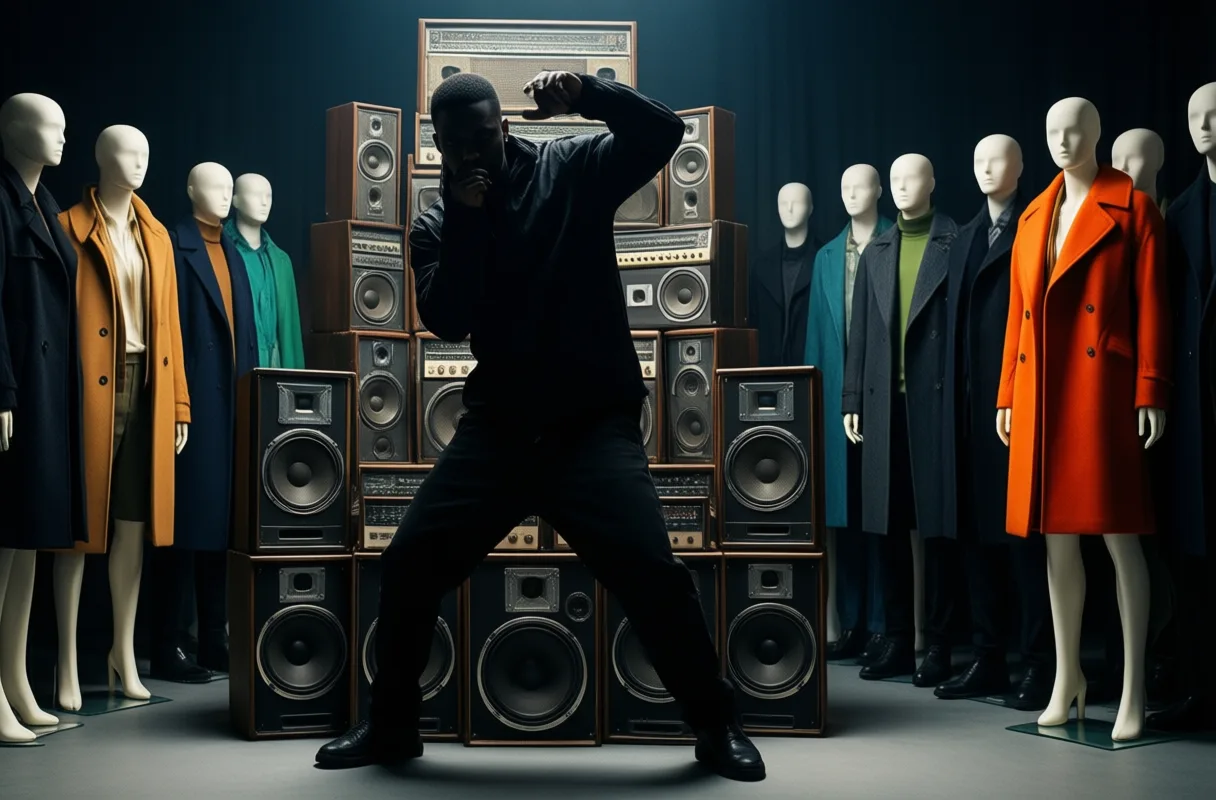
Not every legend needs a Billboard crown. Artists like Jadakiss, T.I., and The Game shaped entire eras without topping year-end lists. Their mixtapes were street scripture, passed hand to hand like contraband.
Missy Elliott redefined what female rappers could do-visually, sonically, conceptually. Her videos were sci-fi dreams, her flows unpredictable. She opened doors for everyone from Nicki to Cardi, proving women could lead the genre, not just follow it.
And let’s give Young Jeezy credit-he brought trap music to the mainstream with “Let’s Get It: Thug Motivation 101,” making snowman metaphors a national obsession. Regional sounds don’t go global without pioneers willing to rep their roots loud and proud.
When Fan Passion Challenges the Panel’s Pick
No matter what the experts say, fans will always have their own GOAT. Scroll through any rap forum and you’ll find heated threads where loyalty runs deeper than data. For every person who backs Jay-Z, there’s another screaming for Pac or Em.
On platforms like History Forum, users build cases like lawyers-citing freestyles, lyrical density, and cultural moments. Some argue Eminem deserves higher placement because of his technical precision. Others say Lil Wayne’s mixtape era was more influential than any single album.
This groundswell proves something important: Greatness isn’t dictated-it’s debated. The moment we stop arguing, the culture dies. Passion keeps hip-hop alive, pushing it forward with every diss track and defense.
The Groundswell Behind Names Left Just Off the Summit
Names like 50 Cent, The Game, and T.I. May not crack the top five on official lists, but they dominated the mid-2000s like warlords. 50’s “Get Rich or Die Tryin’” wasn’t just an album-it was a movement, soundtracking workouts, strip clubs, and come-up stories worldwide.
T.I. Coined “King of the South” and nearly made it stick. With hits like “Whatever You Like” and “Live Your Life,” he bridged street credibility with pop appeal-a rare balance. And The Game? Straight Outta Compton 2.0, mentored by both Dre and 50, carrying West Coast torches into a new decade.
These artists remind us that influence isn’t always linear. Sometimes it’s about When You hit, not just How hard. Being the soundtrack to a generation’s grind counts for something-even if the critics overlook it.
Measuring Greatness: What Weight Do Awards, Sales, and Streets Carry?
Sales matter-but they don’t tell the whole story. Drake holds streaming records, yes, but does that make him greater than Nas, whose work reshaped poetic structure in rap? Depends on who you ask.
Awards look nice on shelves, but real clout comes from being sampled, referenced, and respected by other rappers. If your lines show up in someone else’s verse, you’ve made it. That kind of currency can’t be bought.
Then there’s the street test: play a verse blindfolded. Can heads name the artist by flow alone? Biggie, Pac, Jay, Em-each has a fingerprint you can recognize in three seconds. That’s immortality.
And don’t sleep on the unseen metrics-how many kids learned to rhyme by memorizing your songs? How many tattoos bear your lyrics? These are the quiet measures of true impact.
The Unseen Metrics That Devotees Use Behind Closed Doors
Real fans judge differently. They care about Freestyle ability, not just studio polish. Can you spit off the dome with zero prep? That’s why legends like Busta Rhymes and Black Thought earn silent reverence-even if their albums didn’t always sell millions.
They also value evolution. Did you grow? Pac went from party rapper to prophet. Kanye shifted from chipmunk soul to gospel choirs. Growth shows intelligence, courage-traits ambitious men admire.
And then there’s fearlessness. Rappers who speak truth to power, call out corruption, or reveal their mental struggles earn deeper loyalty. Vulnerability isn’t weakness-it’s strength most won’t touch. For more on what makes a true icon, check out The goat : 7 Explosive secrets behind the greatest of all Time.
Final Verdicts: Where Consensus Forms-and Where It Fractures
Most agree the upper tier includes Jay-Z, Tupac, Biggie, Nas, Eminem, and Kendrick Lamar. These are the pillars. But rank them? Now you’re starting a fight.
Some say Jay-Z earns the top spot for longevity and business mastery. Others believe Pac’s cultural weight and posthumous mythos make him untouchable. And Kendrick? Many see him as the future of conscious rap-already a legend before 40.
But consensus breaks down fast below the top five. Is Lil Wayne more influential than Kanye? Is Drake a visionary or just a vibe curator? These questions don’t have answers-they have opinions. And opinions keep the game alive.
Echoes of the Mic: Who Rises When All Voices Are Heard
In the end, the greatest rapper isn’t just one person. It’s the sum of all who pushed the art forward-the poets, the hustlers, the innovators, the ones who turned pain into power.
It’s Jay-Z building empires. Pac preaching revolution. Em tearing himself open on wax. Kendrick making jazz sound dangerous again. And Nas proving that one perfect album can last forever.
So keep debating. Keep playing the classics loud. Because the throne? It’s occupied-but always under siege.
Who Rules the Rap Game?
The Rankings Don’t Always Agree
Trying to name the greatest rapper ever? Good luck-everyone’s got a different pick. Billboard teamed up with Vibe to rank the 50 greatest rappers, and their top spot went to The Notorious B.I.G., a nod to his smooth flow and storytelling that still hits hard decades later. But flip over to another take from the same publication, and Jay-Z claims the number one spot, showing just how much opinions can vary even within the same brand. That kind of split isn’t just random-Biggie’s legacy rests on raw impact in a short time, while Jay-Z’s case is built on longevity and lyrical range.
More Than Just Numbers
Lauryn Hill stands out on the Billboard and Vibe list as the only woman named among the top 50, a fact that sparks real conversation about how female MCs have shaped hip-hop even when the spotlight’s been uneven. Meanwhile, fan favorites like Eminem, Tupac, and Nas consistently land near the top across nearly every list you’ll find, proving their staying power. Kendrick Lamar, often ranked in the top three, brings a modern edge with layered lyrics and social depth that resonates with younger audiences. Whether it’s Drake’s record-breaking streams or Lil Wayne’s mixtape dominance in the 2000s, the debate isn’t just about skill-it’s about influence, timing, and who changed the game when it mattered most.
Frequently Asked Questions
Who is ranked as the best rapper of all time by Billboard?
Billboard has ranked Jay-Z as the best rapper of all time on one list. Another Billboard and Vibe list named The Notorious B.I.G. As number one, showing evolving opinions.
Why do fans debate who the greatest rapper is?
Greatness in hip-hop depends on factors like lyricism, influence, authenticity, and regional pride. Fans value different qualities, leading to passionate debates across generations and communities.
What makes Jay-Z a top contender for greatest rapper ever?
Jay-Z is praised for his lyrical range, three-decade longevity, business acumen, and cultural impact. His career reflects hip-hop’s rise from the streets to global dominance.
Who are consistently mentioned among the greatest rappers besides Jay-Z?
Tupac, The Notorious B.I.G., Nas, Eminem, Kendrick Lamar, and Drake are frequently listed among the greatest. Lauryn Hill is the only woman included on the original Billboard and Vibe list.
This article was produced with AI assistance. How Granite Magazine uses AI.
Tobin covers physical performance, mental resilience, and daily habits that shape a disciplined yet balanced life. He tests gear, decodes training trends, and interviews experts to deliver actionable insights without dogma.