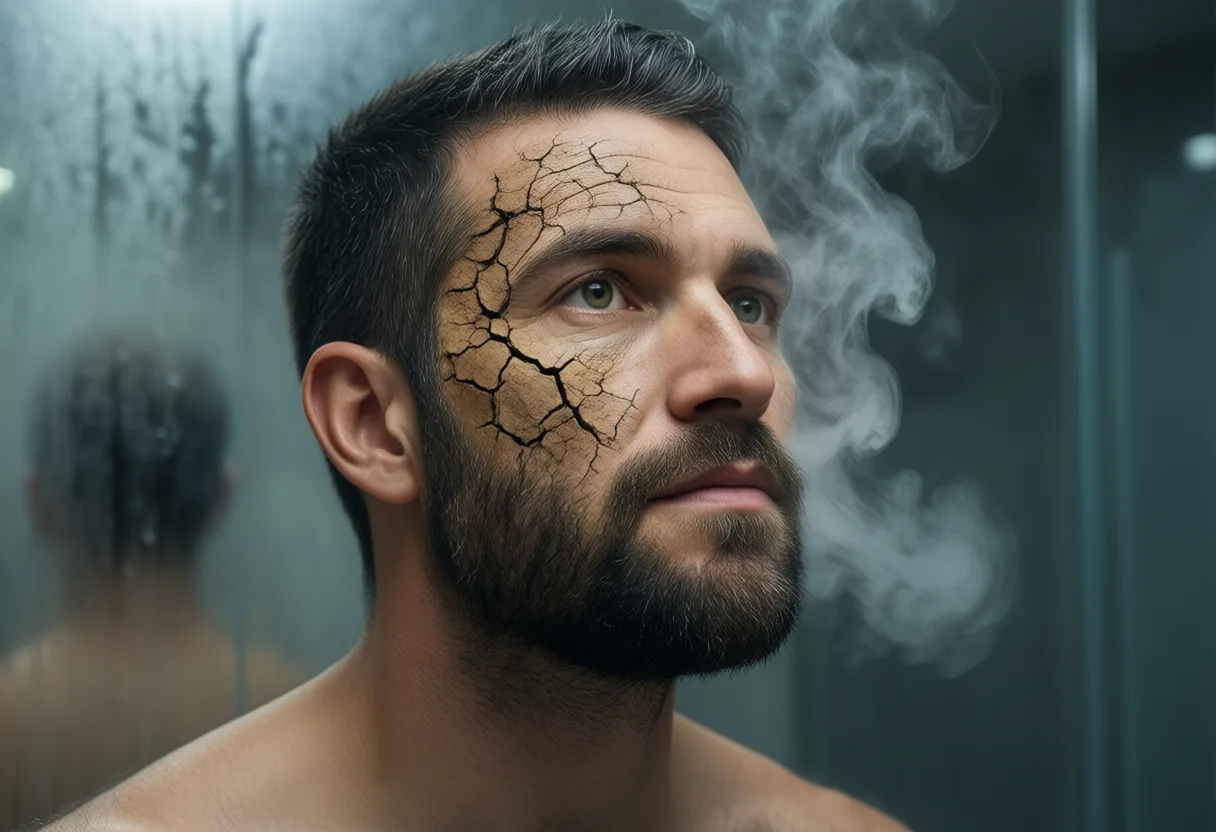

Blackheads aren’t just a teenage problem. They’re the quiet guests at your face party-uninvited, persistent, and somehow always visible in natural light. You can’t scrub them away with brute force, and no, popping them isn’t the answer. If you’re serious about Clean skin, it’s time to treat your face like a high-performance machine: maintained, tuned, and respected.
How Blackheads Form: The Science Behind Clogged Pores
Your pores aren’t Dirt traps. They’re intelligent openings designed to release oil and sweat-your skin’s built-in climate control. But when dead skin cells accumulate and mix with sebum, that’s when trouble starts. The mixture hardens and oxidizes upon contact with air, turning dark at the surface. That’s your blackhead: not a speck of grime, but a clogged sebaceous highway.
This isn’t about poor hygiene. It’s about biology meeting environment. Hormones, humidity, and even your pillowcase play roles. The pore doesn’t scream when it’s clogging-it just swells slightly, waiting for attention. By the time you notice it, the plug is already settled in like a tenant who won’t pay rent.
The real issue? Most men attack blackheads like they’re stains on a shirt. They over-scrub, over-wash, or worse-skip cleansing entirely, thinking less is more. But skin isn’t laundry. It’s a living, breathing organ that responds to consistency, not chaos.
Why Some Cleansers Work Better Than Others
Not all cleansers are created equal. Some remove surface oil while leaving the root cause untouched. Others strip your skin so aggressively that it retaliates with More Oil. The best ones work like a skilled negotiator: they Calm inflammation, dissolve debris, and respect the skin’s natural barrier.
Look for ingredients that penetrate the pore, not just the surface. Water alone won’t cut it-oil and dead cells bind together in a way that requires chemistry, not just friction. That’s why texture matters. Foams, gels, and creams each deliver active ingredients differently, depending on your skin’s needs.
Cleansers with purpose Don’t just rinse away the day-they prep the battlefield. They make pores less hospitable to buildup, reduce shine without dryness, and create a foundation for Everything That comes after. If your face wash feels like soap, it probably is. And soap has no place on a modern man’s face.

7 Proven Cleansers and Treatments for Clearer Skin
1. Salicylic Acid–Based Face Washes
Salicylic acid is the quiet assassin of blackheads. Oil-soluble by design, it slips into pores like a locksmith and dissolves the glue holding dead cells together. Regular use keeps congestion from forming in the first place.
It’s not a one-night fix. Think of it as maintenance, like waxing your car to prevent rust. Daily use at low concentrations prevents buildup without irritation. Overdo it, and you’ll dry out your skin-counterproductive and unnecessary.
Available in gels and foams, these washes work best when left on for 30 to 60 seconds before rinsing. No need to scrub. Let the chemistry do the talking.
2. Charcoal-Infused Cleansing Bars
Charcoal doesn’t “suck out” toxins like a vacuum. But it does have a high surface area, which allows it to bind with oil and impurities on contact. When combined with gentle surfactants, it lifts residue without stripping moisture.
These bars feel different-dense, slightly gritty, with a mineral scent. They lather less than traditional soap, but that’s not the point. The goal is deep absorption, not bubbles.
Best for oily or combination skin, they’re not for daily use if you’re dry. Twice a week is enough to reset your T-zone without over-drying.
3. Oil-Free Foaming Cleansers
Foam isn’t fluff. A well-formulated oil-free foaming cleanser lifts sebum without residue, rinsing cleanly and leaving no film. Ideal for morning and night, it’s the baseline of any solid routine.
These formulas often include mild surfactants that don’t disrupt pH balance. They feel light, disappear fast, and don’t leave your skin tight or squeaky.
Key point: Foam doesn’t equal harshness. Modern versions are engineered to be effective and gentle-like a sports car with a fuel-efficient engine.
4. Clay Masks with Kaolin and Bentonite
Clay is the original detoxifier. Kaolin is gentle, ideal for sensitive skin. Bentonite pulls more aggressively, better suited for oily complexions. Both absorb excess oil and draw out impurities when applied as a mask.
Use once or twice a week. Let it dry slightly-don’t let it crack-then rinse with lukewarm water. Follow with hydration. These masks don’t exfoliate, but they create a clean canvas for other treatments.
Avoid overuse. Clay doesn’t discriminate-it’ll pull moisture from your skin if left too long. Ten to fifteen minutes is plenty.
5. Glycolic Acid Exfoliators
Glycolic acid is a surface-level strategist. As an alpha hydroxy acid, it breaks the bonds between dead skin cells on the surface, promoting turnover and revealing fresher layers underneath.
It doesn’t dive deep like salicylic acid, but it prevents the buildup that leads to clogs. Regular use keeps skin smooth, bright, and less prone to dullness.
Available in toners, pads, and serums, it works best at night. Sun sensitivity can increase, so morning sunscreen is non-negotiable.
6. Pore Strips with Dissolving Adhesives
Pore strips deliver instant gratification. The adhesive bonds to oil and debris, lifting it away when peeled. What you see on the strip isn’t worms or dirt-it’s a snapshot of what was in your pores.
They don’t prevent future blackheads. But used sparingly-once a week-they can reset congested areas, especially the nose.
Don’t rely on them. They’re a shortcut, not a solution. Overuse can irritate and stretch pores. Think of them as a reset button, not a daily tool.
7. Non-Comedogenic Micellar Water Solutions
Micellar water is the low-effort hero. Tiny oil molecules suspended in water attract sebum and residue without rinsing. It’s not a deep cleanser, but it’s excellent for travel or nights when motivation is low.
Non-comedogenic means it won’t clog pores-a must for facial use. It’s gentle, effective, and doesn’t require friction.
Use it with a cotton pad. Swipe, don’t scrub. Follow with your regular routine if you’re wearing sunscreen or Product.
Common Myths That Make Blackheads Worse
“You Should Scrub Harder to Clean Pores”
Aggression doesn’t win here. Scrubbing spreads bacteria, inflames pores, and damages the skin barrier. Microbeads and rough particles are relics-modern exfoliation is chemical, not abrasive.
“Only Teenagers Get Blackheads”
Age doesn’t grant immunity. Hormonal shifts, stress, and environment keep blackheads relevant well into adulthood. Your 30s aren’t a breakout-free zone.
“If It’s Not Oily, I Don’t Need to Cleanse”
Even dry skin produces oil. And residue from pollution, sweat, and product builds up regardless of skin type. Skipping cleanser is like skipping the dishwasher-eventually, the plates stink.
What Dermatologists Wish You’d Stop Doing
Picking is the cardinal sin. It forces bacteria deeper, increases scarring risk, and prolongs healing. Your fingers aren’t sterile, and your nails aren’t tools.
Using kitchen baking soda as a scrub? Stop. It’s too alkaline, disrupts pH, and causes micro-tears. Your face isn’t a pan of burnt lasagna.
And no, toothpaste won’t clear blackheads. It dries and irritates. It’s for teeth. Stick to that.
Smart Habits to Prevent Future Breakouts
Your Daily Routine, Upgraded
Morning: Start with a gentle cleanser. Follow with hydration and sunscreen. That’s it. No need for a ten-step ritual.
Night: Double cleanse if you wear product or sunscreen. Start with micellar water or oil, then follow with a targeted face wash. Consistency beats complexity.
Exfoliate 2–3 times a week. Rotate between chemical exfoliants-glycolic for surface, salicylic for depth. Never both on the same night.
Beyond the Washcloth: Tools and Techniques That Help
Facial brushes and silicone pads increase cleansing efficiency. They don’t replace chemistry, but they enhance it. Use them with care-once a day, gentle pressure.
Steam opens pores temporarily. A warm towel for 30 seconds does the trick. Don’t sit over a pot of boiling water like a Victorian ghost. That’s overkill.
And for god’s sake, change your pillowcase weekly. It’s not glamorous, but it’s essential. Your face spends eight hours a night marinating in oil and bacteria. Fresh cotton is cheap insurance.

When to Consider Professional Extraction
If blackheads cluster, resist treatment, or appear inflamed, it’s time to see a licensed professional. Dermatologists and estheticians use sterile tools and techniques that don’t damage skin.
Extractions aren’t magic. They’re precise, controlled, and often paired with post-treatment care. Some clinics offer comedone extraction as part of a facial-ask.
Don’t go to a strip mall spa with Yelp reviews from 2014. Look for clean environments, licensed staff, and no pressure to buy products.
The Long-Term Play for Smoother, Resilient Skin
Skin isn’t a project to be fixed. It’s a system to be maintained. The best results come not from miracle cures, but from daily discipline-like training for a sport you’ll play forever.
Hydrate. Sleep. Manage stress. These aren’t fluff-they’re biological requirements. Cortisol spikes trigger oil production. Poor sleep slows repair. Your lifestyle writes your skin’s story.
Treat your face with respect, not war. The goal isn’t perfection-it’s resilience. A complexion that handles stress, weather, and late nights without collapsing.
And if you still see a blackhead? Breathe. Cleanse. Move on. You’re not fighting your face. You’re refining it.
| Treatment | Key Benefit | Usage Frequency |
|---|---|---|
| Salicylic Acid Face Wash | Dissolves pore blockages | Daily |
| Charcoal-Infused Cleansing Bar | Binds oil and impurities | Twice a week |
| Oil-Free Foaming Cleanser | Lifts sebum without residue | Morning and night |
| Clay Mask (Kaolin/Bentonite) | Absorbs excess oil | Once or twice a week |
| Glycolic Acid Exfoliator | Promotes surface cell turnover | 2–3 times a week, at night |
| Pore Strips | Lifts surface debris | Once a week |
| Non-Comedogenic Micellar Water | Removes residue without rinsing | As needed |
Clearing the Way: Smarter Blackhead Solutions
The Science Behind the Squeeze (Don’t Do It)
Blackheads aren't dirt trapped in your pores-they’re actually oxidized sebum. When oil (sebum) mixes with dead skin cells inside a hair follicle and reaches the skin's surface, it darkens due to exposure to air, forming that familiar black tip. This oxidation process is why they appear dark, not because they’re filled with grime. Picking or squeezing them might seem satisfying, but it often pushes inflammation deeper, risks scarring, and can even stretch the pore, making it easier for future clogs to form.
Ingredients That Actually Work
Salicylic acid is a go-to for a reason: it’s oil-soluble, meaning it can dive deep into pores to dissolve the gunk clogging them. Regular use helps prevent new blackheads by keeping pores clear. Another powerful player is benzoyl peroxide, which not only clears out pores but also kills acne-causing bacteria, making it useful if blackheads come with redness or inflamed bumps. For a gentler daily option, cleansers with charcoal or clay can help draw out excess oil without over-drying, especially helpful for those with oily or combination skin.
A Surprising Ally in Your Cabinet
You might already own a tool that helps: a soft facial brush or cleansing device. Using one with your regular cleanser can boost effectiveness by gently exfoliating the skin’s surface, helping remove dead skin cells before they mix with oil and form blackheads. Just keep it clean and don’t overdo it-over-exfoliating can irritate skin and trigger more oil production. And while pore strips offer quick, visible results by pulling out the top layer of gunk, they don’t solve the root cause and can be harsh on sensitive skin with repeated use. Explore more stories, videos, and creators on Loaded.
Frequently Asked Questions
What causes blackheads to form?
Blackheads form when dead skin cells mix with sebum inside a hair follicle. The mixture oxidizes upon contact with air, turning dark at the surface.
Does scrubbing harder help remove blackheads?
No, scrubbing harder spreads bacteria, inflames pores, and damages the skin barrier. Modern exfoliation relies on chemical exfoliants, not abrasive scrubbing.
Can pore strips prevent future blackheads?
No, pore strips only remove surface debris and offer instant gratification. They do not prevent future blackheads and should be used sparingly.
What ingredients are effective for treating blackheads?
Salicylic acid dissolves pore blockages, benzoyl peroxide kills acne-causing bacteria, and charcoal or clay cleansers help draw out excess oil without over-drying.
This article was produced with AI assistance. How Granite Magazine uses AI.
Quinn explores the nuances of men’s fashion and personal care with a focus on timeless elegance and modern practicality. They emphasize sustainable choices, intelligent design, and the psychology behind how men present themselves in evolving social landscapes.