

You’re three days post-surgery, and that incision site is starting to feel tight. Or maybe you took a spill on the trail and now you’ve got a gnarly graze that won’t quit. You need something that works-something that protects, heals, and gets you back in the game fast. Enter the advanced wound dressing game, where science Meets skin Repair in quiet but powerful ways.
These aren’t your dad’s Band-Aids. Modern dressings are engineered for real-world healing, especially when you’re not just healing-you’re Performing. And if you’re serious about recovery without slowing down, you need to know what’s actually on your side.
Why Wound Care Matters More Than You Think
Most guys treat cuts and scrapes like afterthoughts. Slap on a bandage, hope for the best. But the truth is, how you manage a wound can make the difference between a clean recovery and a long, itchy, possibly infected mess.
Your skin is your first defense. When it’s broken, the body kicks into repair mode-sending blood, white blood cells, and growth factors to the site. But that process only works if the environment stays moist, protected, and free from bacteria. Dry scabs crack. Infections stall healing. And slow healing means more downtime.
That’s why smart wound care isn’t just for hospitals. It’s for anyone who wants to stay sharp, mobile, and ready. Whether it’s a post-op incision or a burn from the grill, the right dressing keeps things moving behind the scenes.
- Keeps the wound bed moist for faster tissue regrowth
- Reduces risk of infection by sealing out dirt and bacteria
- Minimizes pain and trauma during dressing changes
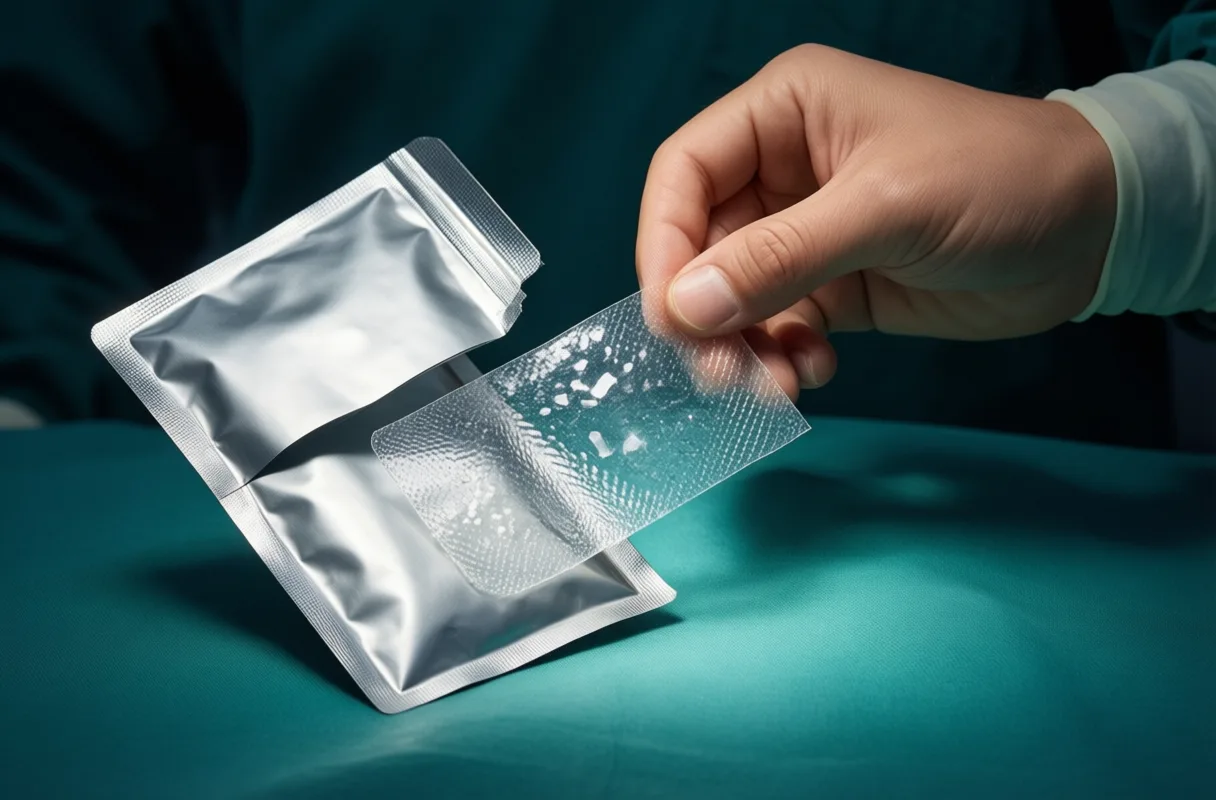
How Advanced Dressings Step Up the Game
Traditional gauze? It’s like driving a pickup truck with no shocks-gets the job done, but rough on the ride. Newer dressings use smart materials that respond to your body’s needs, holding moisture without drowning the wound, and peeling off without ripping new tissue.
These dressings often use a foam core bonded with a semi-permeable top layer. That means oxygen gets in (which healing tissue loves), but bacteria and gunk stay out. Plus, they’re designed to stay put for days, not hours-so you’re not constantly fussing with them.
And here’s the real win: less pain when it’s time to change. Nobody wants to rip off a dressing only to re-injure the site. These newer options glide off cleanly, preserving the fragile new skin underneath.
- Foam-based design manages fluid without sticking
- Semi-permeable outer layer blocks bacteria while allowing airflow
- Designed for multi-day wear, reducing daily hassle
What Is A Mepilex Dressing and How Does It Fit In?
A Mepilex dressing is one of those high-performance options built for serious healing. It’s a type of foam dressing with a special adhesive layer that sticks gently-holding tight where it needs to, but letting go easily when it’s time to change.
It’s designed to handle moderate to heavy exudate, which is just a fancy way of saying it soaks up fluid without leaking or falling apart. That’s key because too much moisture breeds bacteria, but too little dries out healing tissue. This keeps the sweet spot.
Guys recovering from surgery or managing larger wounds often find these dressings reduce the anxiety of leaks, odor, and discomfort. And since they stay in place for several days, you’re not stuck playing nurse every morning.
- Self-adhesive with pain-free removal
- Manages moderate to heavy wound fluid effectively
- Used in both clinical and at-home recovery settings
How to Use It Right (Without Overthinking)
Using a dressing like this isn’t rocket science, but a few smart moves make all the difference. First, clean the wound and surrounding skin-no soap in the cut, just gentle rinsing. Dry the area lightly, then size the dressing so it extends beyond the wound edges.
Peel the backing carefully, avoid touching the pad, and lay it down smoothly. No wrinkles. No stretching. Let the adhesive do the work. Once it’s on, leave it. These aren’t meant for daily swaps unless there’s leakage or doctor’s orders.
And when it’s time to change? Peel slowly, parallel to the skin-not up and away. This prevents tearing fresh tissue. If it sticks slightly, dampen the edge with saline or clean water to loosen.
- Apply on clean, dry skin
- Avoid touching the pad surface
- Remove gently, parallel to the skin
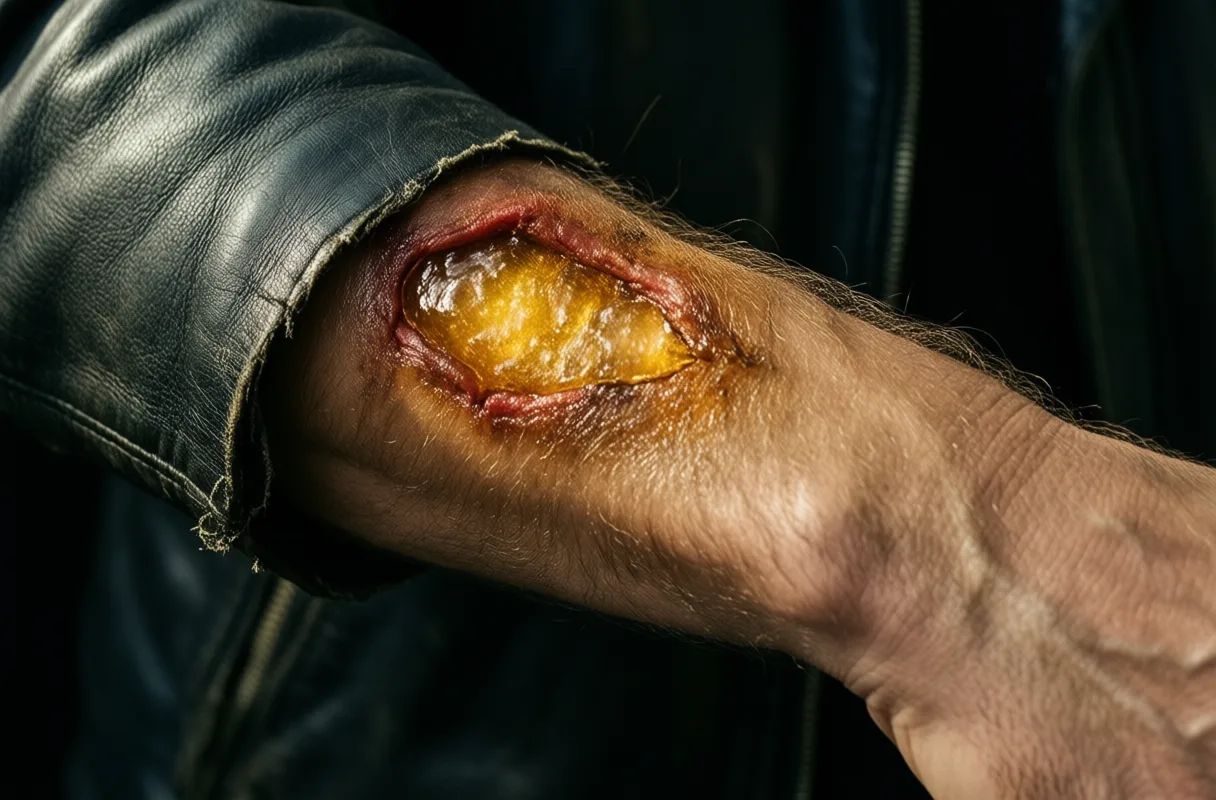
Bottom Line: Healing Is Part of the Grind
You don’t need to be a biohacker to appreciate smart healing. But you do need to respect the process. A solid dressing isn’t just a cover-up-it’s active support for your body’s natural repair system.
If you’re recovering from surgery, a burn, or just a deep scrape that won’t quit, don’t wing it. Use what works. The right foam dressing keeps you protected, pain-free, and moving forward-without drama.
Stay on top of your recovery. Because looking good, feeling strong, and staying in control? That’s not luck. It’s preparation.
More Than Just a Bandage: The Science Behind Mepilex
How a Foam Pad Became a Healing Hero
Mepilex dressings might look like simple foam pads, but they’re built with a special technology called Safetac. This soft silicone layer sticks gently to the skin around a wound without clinging to the wound itself-meaning less pain and tissue damage when it’s time to change the dressing. That’s a big deal for anyone dealing with sensitive or slow-healing wounds, like pressure sores or surgical incisions.
One of the sneakier benefits? Mepilex helps manage moisture just right. It pulls excess fluid away from the wound while keeping the area moist enough to support healing-a balance that used to be tough to nail with older dressings. And because it’s breathable, it reduces the risk of maceration, where skin gets too soggy and breaks down. Plus, it can often stay in place for several days, cutting down on how often it needs to be swapped out.
Fun fact: the dressing’s design helps lower the chance of the wound reopening, thanks to how evenly it spreads pressure across the surface. That makes it a favorite in both hospitals and home care. While it won’t turn a wound around overnight, its combo of gentle adhesion, smart fluid handling, and durability makes it a quiet standout in modern wound care. Explore more stories, videos, and creators on Loaded.
Frequently Asked Questions
What is a Mepilex dressing?
A Mepilex dressing is a foam-based wound dressing with a special adhesive layer that sticks gently to the skin. It is designed to manage moderate to heavy wound fluid and support healing without sticking to the wound itself.
How does Mepilex support wound healing?
Mepilex maintains a moist wound environment, manages excess fluid, and allows airflow while blocking bacteria. Its design reduces pain during changes and helps prevent the wound from reopening by spreading pressure evenly.
How long can a Mepilex dressing stay in place?
It is designed to stay in place for several days, reducing the need for daily changes unless there is leakage or specific medical instructions.
How should I remove a Mepilex dressing safely?
Peel the dressing off slowly and parallel to the skin to avoid damaging new tissue. If it sticks, dampen the edge with saline or clean water to loosen the adhesive.
This article was produced with AI assistance. How Granite Magazine uses AI.
Tobin covers physical performance, mental resilience, and daily habits that shape a disciplined yet balanced life. He tests gear, decodes training trends, and interviews experts to deliver actionable insights without dogma.