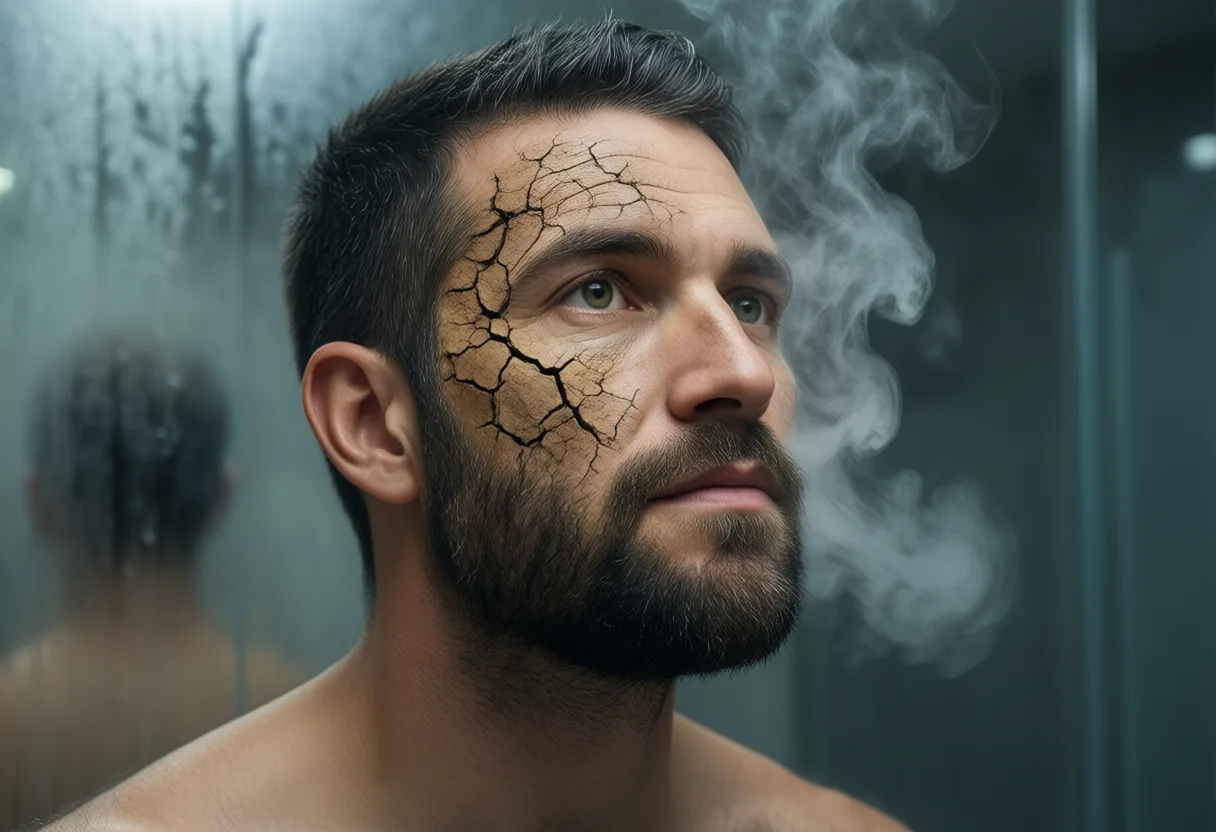

It starts with a whisper-just a little flake or two on your black turtleneck after a long day. Then comes the itch, that persistent nudge behind the ear or along the Hairline, like a tiny alarm bell reminding you that something’s off. For a lot of guys, it’s not dandruff, not really-it’s that tight, parched feeling, like your scalp forgot it was supposed to be skin and started acting like desert sand.
You’re not imagining it. Dry scalp isn’t just a winter fluke or a sign you’re washing your Hair Too much-it’s your body’s way of saying the balance is off. And when you’re the kind of guy who likes crisp shirts, clean lines, and a sharp look from every angle, a flaky scalp can feel like a personal betrayal. The good news? You don’t need a lab coat or a dermatologist appointment to fix it. Sometimes, the right shampoo does more than clean-it resets.
Why Scalp Health Matters More Than You Think
Your scalp is skin, first and foremost. It’s got pores, oil glands, and nerve endings that react to temperature, stress, and what you put on it. Treating it like an afterthought-just an extension of your hair routine-is like polishing a car while ignoring the engine. A healthy scalp doesn’t just Prevent flakes-it supports stronger hair, better texture, and even confidence when you run your fingers through your hair at a bar or lean in for a kiss.
When the scalp gets too dry, it’s not just uncomfortable. It can lead to irritation, redness, and even micro-tears if you’re scratching too hard. And While dandruff Gets all the attention, true dryness is often quieter, sneakier. It shows up as tightness after showers, visible dry patches, or hair that feels brittle no matter how much product you use. The root cause? Often a mix of harsh shampoos, overwashing, indoor heating, or cold winds that strip natural oils.
Here’s the thing: not all shampoos are built to heal. Most are designed to degrease, to lather up and strip away oil like it’s the enemy. But oil-sebum-is your scalp’s natural moisturizer. Strip it too aggressively, and your Skin overcompensates, or worse, shuts down. That’s where a shampoo formulated for moisture balance comes in. It’s not about greasiness-it’s about restoration.
Signs You Might Need a Different Shampoo
Let’s cut through the noise. If you’re using a regular drugstore shampoo and dealing with any of the following, it might be time to switch lanes:
- Your scalp feels tight or itchy after washing
- You see small, dry flakes (not oily, clumpy ones)
- Your hair feels straw-like, even when you skip washing
- You’re reaching for conditioner more than usual
- Cold weather makes it worse
These aren’t just annoyances-they’re signals. Your scalp is asking for gentler treatment. And no, “just drink more water” won’t fix it. Hydration starts from the inside, but topical care matters just as much. Think of it like skincare: you wouldn’t wash your face with dish soap, so why do it to your scalp?
A lot of guys assume expensive shampoos are just marketing fluff. But the difference isn’t always the price-it’s the formulation. Some cleansers use sulfates that lather big but leave your scalp gasping. Others pack in alcohol-based ingredients that dry things out faster. The best ones? They clean without punishment. They include ingredients like glycerin, ceramides, or natural oils that soothe and protect.

What to Look for in a Scalp-Friendly Formula
When you’re scanning bottles, ignore the flashy claims. Focus on what’s actually inside. A shampoo that supports moisture balance usually avoids harsh sulfates and instead uses gentler surfactants that don’t strip. It might include humectants-ingredients that pull moisture into the skin-or emollients that smooth and soften.
Look for words like:
- Glycerin
- Panthenol (pro-vitamin B5)
- Niacinamide
- Aloe vera
- Oat extract
- Squalane
These aren’t buzzwords. They’re functional ingredients that help repair the skin barrier and reduce irritation. And while “natural” sounds nice, it doesn’t always mean Better. Some plant extracts can be irritating if not properly processed. The goal isn’t a laundry list of organic labels-it’s a formula that respects your scalp’s ecosystem.
Frequency matters too. Washing every day might feel clean, but it can worsen dryness over time. Try cutting back to every other day, or even every two days, and see how your scalp responds. Pair your shampoo with a lightweight conditioner if needed, but avoid piling it directly on the scalp unless it’s formulated for it.
How to Build a Simple, Effective Routine
You don’t need a 10-step ritual. Men who win at grooming win with consistency, not complexity. Start with this basic framework:
- Wet thoroughly – Warm (not hot) water opens pores without scalding.
- Lather in hands first – This helps dilute the shampoo and prevents overapplication.
- Massage gently – Use fingertips, not nails, to work it into the scalp. Think circulation, not scrubbing.
- Rinse completely – Leftover residue can cause buildup and irritation.
- Follow with conditioner only on ends – Unless you’re using a scalp-specific treatment.
Do this 2–3 times a week, adjust based on how your scalp feels. If it’s still tight or flaky after two weeks, the formula might not be right. Give it time-your skin needs a chance to rebalance.
And don’t forget the environment. Indoor heating in winter, or AC in summer, can dry out your scalp even if your shampoo is perfect. A humidifier in your bedroom? Not just for grandmas. It’s a stealth move for skin and hair health.
Confidence Starts at the Roots
Let’s be real-guys care about how they look, but more than that, they care about how they feel. A flaky scalp isn’t just a cosmetic issue. It’s a low-grade distraction, the kind that makes you second-guess leaning in close or running your hand through your hair. When your scalp feels good, you move differently. You’re more present. More confident.
Taking care of it isn’t vanity. It’s maintenance. Like breaking in a pair of Italian boots or learning how to fold a pocket square, it’s part of showing up as the best version of yourself. And just like those things, the right product makes all the difference.
So next time you’re standing in front of the mirror, lather in your hair, ask yourself: is this shampoo actually helping-or just making noise? Because relief isn’t about masking flakes. It’s about balance. And once you find it, you won’t just look better. You’ll feel like yourself again.
More Than Just a Wash: The Surprising Science Behind Soothing Shampoos
Why Your Scalp Feels Like a Desert
Dry scalp isn’t just about flakes-it’s a sign your skin barrier is struggling. The scalp, like the rest of your skin, relies on natural oils and moisture to stay healthy. When that balance tips, irritation and tightness follow. Some people are more prone to dryness due to genetics, cold weather, or even overwashing. Using a formula focused on moisture balance helps calm discomfort without weighing hair down.
The Cool Chemistry of Relief
Many soothing shampoos include ingredients that mimic the skin’s natural moisturizing factors. These compounds, like certain amino acids and sugars, help attract and hold water in the outer layer of skin. Others use gentle cleansers that don’t strip natural oils, unlike harsh sulfates. You might also find calming agents such as oat extracts or specific lipids that support the scalp’s protective barrier. It’s not magic-it’s smart formulation.
A Rinse That Works With Your Routine
Contrary to myth, you don’t need to lather every day to keep a dry scalp in check. Overwashing can actually make dryness worse by removing essential oils. For many, using a gentle, moisturizing shampoo every other day-or even two to three times a week-is enough to maintain balance. Letting the product sit for a minute or two before rinsing gives the ingredients more time to work. Small changes can bring real relief. Explore more stories, videos, and creators on Loaded.
Frequently Asked Questions
What are the signs of a very dry scalp?
Signs include tightness or itchiness after washing, small dry flakes, brittle hair, increased need for conditioner, and worsening symptoms in cold weather.
How often should I wash my hair if I have a dry scalp?
Washing every other day or two to three times a week is recommended. Overwashing can strip natural oils and worsen dryness.
What ingredients help soothe a dry scalp?
Look for glycerin, panthenol, niacinamide, aloe vera, oat extract, and squalane. These support moisture balance and repair the skin barrier.
Can environmental factors affect scalp dryness?
Yes, indoor heating and cold winds can dry out the scalp. Using a humidifier may help maintain moisture levels.
This article was produced with AI assistance. How Granite Magazine uses AI.
Rhea examines the intersection of professional ambition and cultural identity, spotlighting how modern men navigate purpose, ethics, and growth. Her work blends narrative depth with sociological insight across industries and life stages.