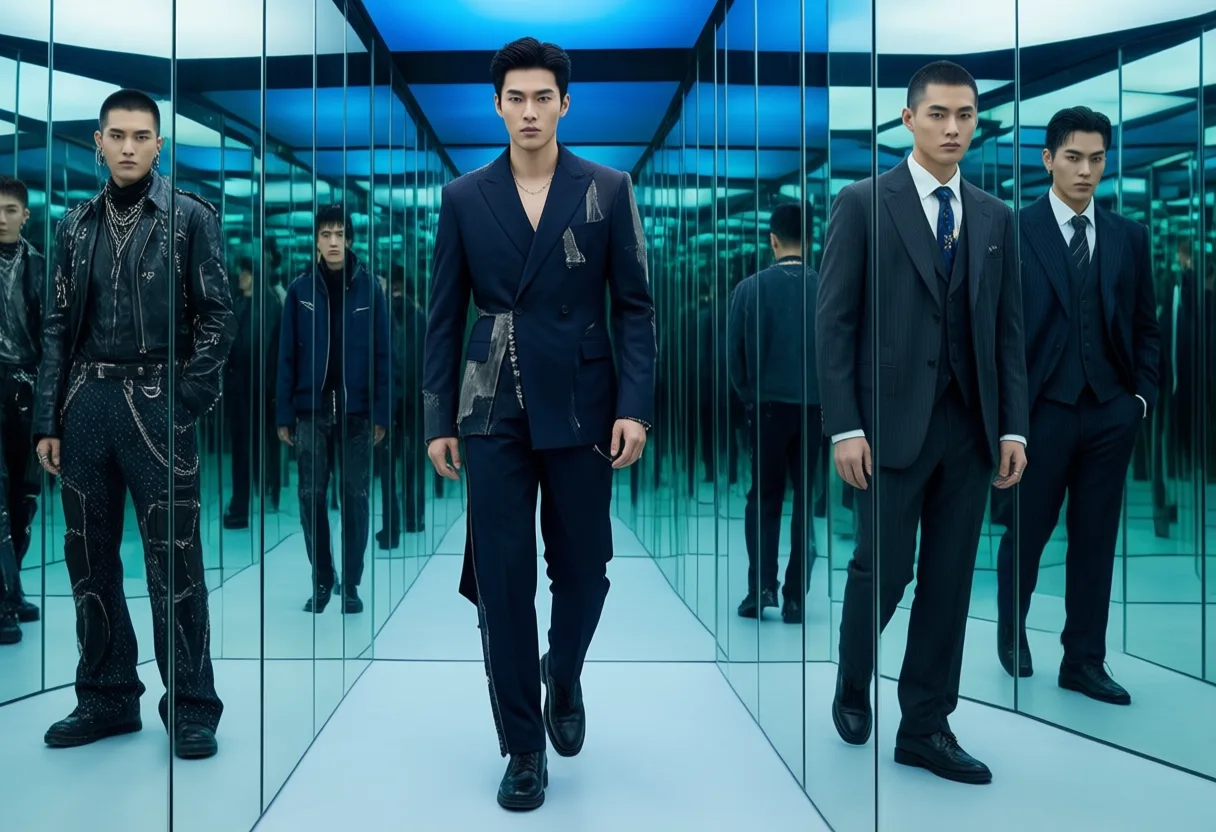

You walk into a room. You don’t announce yourself. Your shirt does. It’s not about logos, labels, or looking like you tried too hard-it’s about showing up with quiet confidence and letting your style do the talking.
The right shirt doesn’t just fit your body. It fits your life. Whether you’re closing a deal, grabbing brunch, or sneaking into a rooftop party, your shirt should be your silent wingman.
Let’s break down the real deal on Mens fashion Shirts-no fluff, no fashion-school nonsense. Just what works, where, and why.
The Everyday Power Players: Shirts That Earn Their Keep
A great shirt isn’t a costume. It’s a tool. And like any tool, it should be built for the job.
Your weekday grind demands shirts that balance polish with comfort. A well-cut Oxford button-down is the Swiss Army knife of Mens fashion Shirts. It’s rugged enough for casual Fridays, sharp enough for client meetings, and looks just as good with jeans as it does with chinos. The key? Fit. Not too tight, not swimming on you-just clean lines that follow your frame.
Don’t sleep on flannel, either. When the temperature drops and the mood turns relaxed, a soft, brushed flannel shirt adds texture without looking like you gave up. Layer it over a plain tee or under a bomber jacket. Instant upgrade. Bonus points if it’s got a subtle pattern-nothing too loud, just enough to say you paid attention.
- Oxford cloth: durable, breathable, works year-round
- Flannel: cozy, textured, perfect for cool-weather versatility
- Chambray: denim’s refined cousin, great for smart-casual balance
And if you’re still rocking shirts with buttons all the way up like you’re in a boy band, relax. Unbutton one. Two, if you’re feeling bold. Confidence isn’t in the fabric-it’s in the ease.
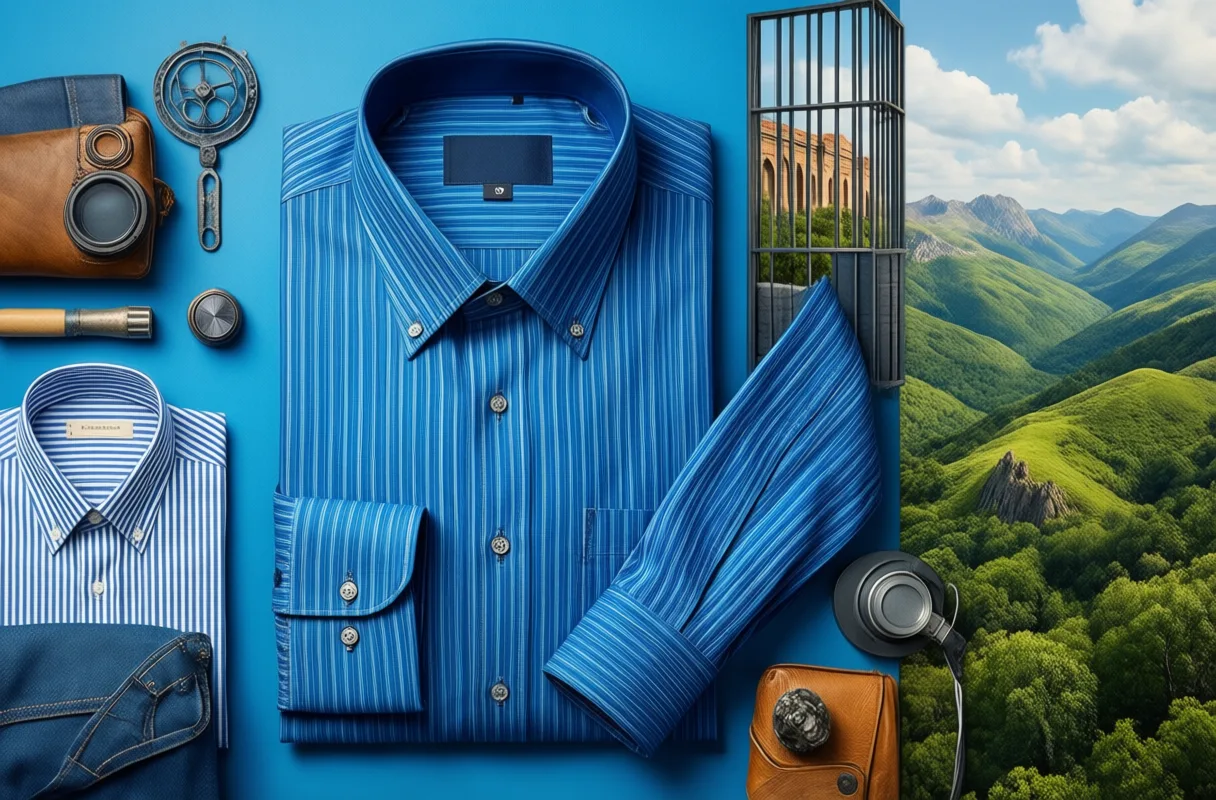
Dress Shirts That Don’t Feel Like a Prison Sentence
Dress shirts Get a bad rap. Too stiff. Too fussy. Too “I’m here for a deposition.” But that’s only if you’re wearing the wrong ones.
Modern dress shirts are lighter, stretchier, and actually designed for human bodies. Look for blends with a touch of elastane-moves with you, not against you. No more cracking a button mid-handshake. The Classic white Dress shirt is non-negotiable. It’s the foundation. But don’t stop there. Light blue? Yes. Pale pink? Absolutely. A soft lavender? If you can carry the vibe, the shirt will carry you.
Fit is everything. A shirt that bunches at the shoulders or flares at the waist kills the look. Shoulders should hit right at the edge of yours, sleeves should peek just beyond your jacket cuff, and the tail should stay tucked without wrestling. If you’re built like a linebacker or built like a sprinter, off-the-rack might not cut it. Consider a tailor. It’s not vain-it’s strategic.
And cufflinks? Save them for weddings and boardrooms. For 95% of events, a clean pair of barrel cuffs with a solid fold-back is more than enough. Overdressing isn’t impressive. Underdressing with confidence? That’s power.

Casual Cool: When You Want to Look Good Without Trying
This is where most guys win or lose. The in-between moments-weekend hangs, date nights, post-gym drinks. You’re not in a Suit, but you’re not in a stained tee, either.
Enter the popover. Not a button-down, not a sweater-just a perfectly relaxed shirt that drapes well and looks intentional. Linen popovers in summer? Ideal. Cotton-twill in olive or charcoal? Year-round magic. Throw one on over a white tee, leave it open, roll the sleeves. Instant effortlessness.
Rugby shirts are having a quiet renaissance. They’re not just for guys who play rugby (or pretend to). Bold stripes, soft cotton, and a boxy-but-flattering cut make them a standout for guys who want to add a little edge without going full fashion victim. They work with dark jeans, chinos, even tailored shorts in summer. 5 Best Rugby Shirts: Fashion’s Tackle breaks down the top picks if you’re curious-but don’t overthink it. Pick one with colors that match your skin tone and move on.
- Popovers: relaxed, stylish, great for layering
- Rugby shirts: bold, durable, surprisingly versatile
- Linen shirts: breezy, textured, perfect for warm days
Remember: looking good isn’t about perfection. It’s about presence. A slightly wrinkled linen shirt says you’re busy living. A crisp popover says you’ve got taste without stress.
Seasonal Shifts: Dressing for the Weather (Without Looking Like a Tourist)
You don’t need 20 shirts. You need the right five. And rotating them by season keeps you looking sharp without sweating through July.
Summer calls for lightweight fabrics. Linen, cotton voile, seersucker-materials that breathe and move. Light colors reflect heat, dark colors absorb it. That’s science, not style. So save the navy linen for evening. Go for white, tan, or pale blue during the day. Short sleeves? Yes, but skip the loud Hawaiian prints unless you’re actually on a beach. A solid-color short-sleeve shirt with a clean pocket detail is all you need.
Fall and winter open the door for texture. Flannel, brushed cotton, even wool-blend shirts add warmth and depth. Layer them under vests, chore coats, or leather jackets. A plaid flannel under a dark denim jacket? Timeless. A heavy cotton popover over a turtleneck? Cold-weather gold.
Spring is the free-for-all. Everything works. Lightweight oxfords, soft polos, even a well-placed rugby shirt. This is your chance to experiment. Try a shirt in a color you’ve never worn-rust, sage, deep coral. If it looks good and feels right, it Is Right.

Final Word: Confidence Is the Best Accessory
No shirt, no matter how expensive or hyped, will save a weak vibe. But a great shirt on a confident guy? That’s unstoppable.
You don’t need to chase trends. You need to know what works for You-your body, your lifestyle, your energy. Build a rotation of shirts that cover the bases: one crisp dress shirt, one rugged casual, one textured layer, one warm-weather standout, one wildcard.
And when in doubt? Go classic. A well-fitting white button-down, dark jeans, clean shoes. That’s the uniform of guys who don’t need to prove anything.
Your shirt isn’t just fabric. It’s your first impression. Make it count.
| Shirt Type | Best For | Key Features |
|---|---|---|
| Oxford button-down | Everyday wear, client meetings | Durable, breathable, year-round use |
| Flannel | Cool-weather versatility | Soft, textured, great under jackets |
| Chambray | Smart-casual balance | Denim’s refined cousin, lightweight |
| Linen | Warm days, summer | Breezy, textured, slightly wrinkled look |
| Popover | Casual layering | Relaxed drape, effortless style |
| Rugby shirt | Adding edge to casual wear | Bold stripes, durable cotton, boxy fit |
| Dress shirt | Formal or professional settings | Lightweight blends, clean lines, tailored fit |
More Than Just Fabric and Buttons
A Stitch in Time Saves Nine - And Maybe Your Style
Shirt collars weren’t always meant to be worn with ties. In the 1800s, detachable collars were a practical invention, letting men swap out a soiled collar without laundering an entire shirt - a real game-changer before washing machines. That classic button-down collar, often seen on polo shirts and oxfords, was actually popularized by polo players who needed their collars to stay put during fast-paced matches. It’s a functional detail that stuck around, turning sportswear into everyday smart-casual wear.
From Workwear to Wardrobe Staple
The humble flannel shirt owes its cozy reputation to Welsh textile workers, where the fabric was first brushed to create a soft, warm texture ideal for cold mills. While today’s flannels come in bold plaids, early versions were often simpler, earth-toned patterns meant to hide dirt on the job. Meanwhile, the term “dress shirt” doesn’t just imply formality - it originally referred to shirts worn specifically for evening events in the 19th century, often made of fine cotton or linen and sometimes featuring lace or ruffles for the truly fashionable gentleman.
Little Details, Big Impact
Ever noticed how some buttonholes are stitched vertically and others horizontally? The top buttonhole on quality dress shirts is usually vertical to better handle the stress of daily wear and keep the button secure. And that small loop at the back of many dress shirts? It wasn’t designed for hanging in closets - it’s a vestige from when men wore watch chains across their vests, and the loop helped keep the chain in place. Today, it’s a subtle nod to tradition, though most of us just appreciate the clean look it adds to the silhouette. Explore more stories, videos, and creators on Loaded.
Frequently Asked Questions
What is the best type of shirt for everyday wear?
A well-cut Oxford button-down is ideal for everyday wear. It balances polish and comfort, works with jeans or chinos, and suits both casual and professional settings.
How should a dress shirt fit properly?
The shoulders of the shirt should align with your own, sleeves should extend just beyond a jacket cuff, and the tail should stay tucked without bunching or flaring.
What are good shirt options for warm weather?
Linen, cotton voile, and seersucker shirts are breathable and lightweight, making them ideal for summer. Light colors like white, tan, or pale blue help reflect heat.
What is the purpose of the small loop on the back of dress shirts?
The loop was originally used to hold watch chains in place when men wore vests. Today, it remains as a traditional detail that enhances the shirt's clean silhouette.
This article was produced with AI assistance. How Granite Magazine uses AI.
Tobin covers physical performance, mental resilience, and daily habits that shape a disciplined yet balanced life. He tests gear, decodes training trends, and interviews experts to deliver actionable insights without dogma.