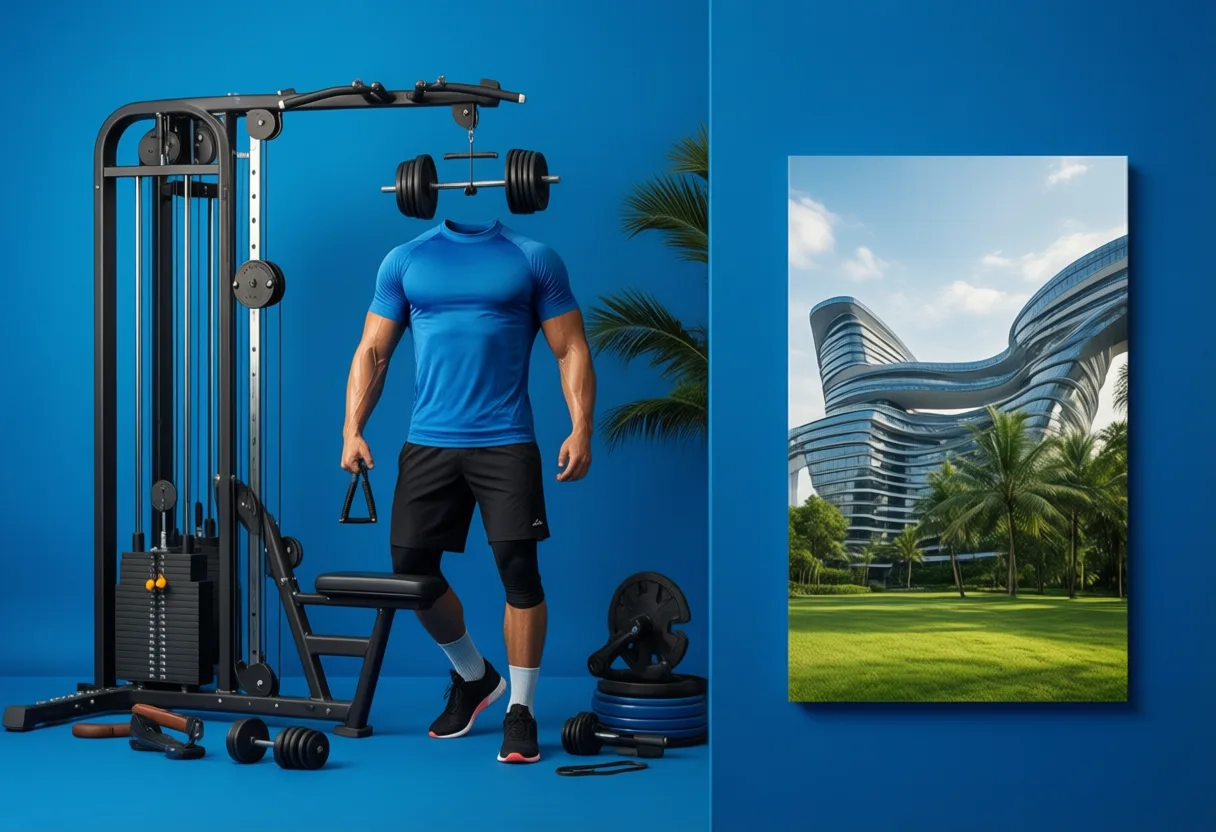

You know that feeling-Walking Into a room and carrying yourself like you’ve just come from something hard. Not sweaty and gasping, but calm, grounded, like your body knows a secret your mind is still catching up to. It’s not about being the biggest guy in the gym or the fastest on the trail. It’s about Building a body that keeps up with your life, not drags behind it.
For men who move through the world with purpose-whether that’s closing deals, raising kids, or chasing passions-Strength And endurance aren’t just goals. They’re tools. And like any tool, they work best when they’re well-made, well-maintained, and actually used.
This isn’t about six-pack abs or Instagram poses. It’s about showing up stronger tomorrow than you were today. Not perfect. Not extreme. Just better.
Strength Starts With Movement, Not Mirrors
Most guys think strength means lifting heavy things and grunting loudly. And sure, lifting heavy things helps. But real strength-the kind that lasts-begins with Consistency, not intensity. It’s the guy who shows up three times a week, even when he’s tired, who ends up ahead of the guy who goes all-out once a month.
Your body adapts to what you ask of it. Do the same thing every day, and it gets efficient. But introduce smart, progressive challenges-like adding a little weight, an extra rep, or a new movement-and your muscles respond. They grow denser. Your joints get tougher. Even your bones adapt, becoming more resilient over time.
The key is to Focus on compound movements. These are exercises that work multiple muscle groups at once-squats, deadlifts, push-ups, pull-ups, rows. They’re not flashy, but they build functional power. You’re not just sculpting a look. You’re Building A chassis.
- Squats teach your legs and core to work together under load.
- Deadlifts train your back, glutes, and grip to move real-world weight.
- Push-ups build upper-body strength without needing a single machine.
You don’t need a $200 workout shirt or a TikTok coach to do them right. Just your body, some space, and the willingness to feel a little uncomfortable. That’s where growth lives-not in comfort, but in controlled challenge.
And here’s the thing: Strength isn’t just physical. When you train your body to handle stress, your mind learns to do the same. The guy who finishes a tough set of pull-ups is the same guy who stays calm in a high-pressure meeting. It’s all connected.
Endurance: The Quiet Power Behind Everything You Do
Strength gets the spotlight. Endurance does the heavy lifting behind the scenes. It’s what keeps you going on long days, through tough conversations, on weekend hikes with your partner or kids. Endurance is stamina with purpose-the ability to sustain effort, not just survive it.
Most men think of endurance as long runs or spinning classes. But it’s broader than that. It’s your heart pumping efficiently. Your lungs exchanging oxygen like a well-tuned engine. Your muscles clearing fatigue so you don’t crash by 3 p.m.
The best way to build it? Mix it up. Don’t just run. Try swimming, cycling, rucking, or even dance-based workouts. Variety keeps your body guessing and your mind engaged. Plus, it reduces the risk of overuse injuries-because let’s be honest, nobody wants to explain to their date why they’re limping from another hamstring tweak.
A simple formula works:
- 2–3 days of strength training
- 2–3 days of cardiovascular effort
- 1–2 days of active recovery or mobility
On cardio days, don’t just go long-go smart. Try interval training: short bursts of high effort followed by rest. A 20-minute session of sprint-walk cycles can do more for your fitness than an hour of slow jogging. Your body learns to recover fast, which is exactly what life demands.
And don’t sleep on low-intensity steady-state (LISS) work. A 45-minute walk, a casual bike ride, even playing catch in the park-these count. They build aerobic base without beating you up. Think of them as Fitness compound interest: small efforts that add up over time.
When you build endurance, you’re not just training your body. You’re training your life to feel easier. More fluid. Like you’ve got extra rounds in the chamber.

Recovery Is Where the Magic Happens
Here’s the truth no one wants to admit: You don’t get stronger in the gym. You get stronger when you rest. Every rep, every sprint, every heavy lift creates tiny tears in your muscles. It’s during recovery that your body repairs them-bigger, tougher, more resilient.
But recovery isn’t just sleep (though that’s huge). It’s nutrition, hydration, movement on rest days, and even how you manage stress. The guy who lifts hard but eats junk and sleeps five hours is fighting against himself.
Prioritize protein to support muscle repair. Hydrate like it’s your job-because it kind of is. And move gently on off days: a walk, some stretching, yoga if you’re into it. These aren’t “lesser” workouts. They’re Active recovery, keeping blood flowing and stiffness at bay.
Sleep is non-negotiable. Aim for 7–8 hours. Not because it’s trendy, but because it’s biological law. Your testosterone levels, cortisol regulation, and muscle growth all depend on quality rest. Skip it, and you’re pouring effort into a leaky bucket.
And don’t underestimate mental recovery. Stress from work, relationships, or constant screen time raises cortisol, which can sabotage your progress. A hot bath, time in nature, or even a quiet coffee with no phone can reset your system.
Recovery isn’t lazy. It’s strategic. The most ambitious men don’t just push hard-they know when to pull back. That’s real discipline.
Fueling the Machine: Eat Like You Mean It
You can’t out-train a bad diet. But you don’t need to be a chef or a nutritionist to eat well. Simple, whole foods build strong bodies. Think meat, fish, eggs, vegetables, fruits, nuts, and smart carbs like oats or sweet potatoes.
Protein is your foundation. It keeps you full, supports muscle growth, and helps you recover faster. Spread it across meals-don’t just eat it all in one steak-heavy dinner. Your body can only use so much at once.
Carbs aren’t the enemy. They’re fuel. Especially if you’re active. The key is choosing quality sources-whole grains, potatoes, fruit-over processed junk. Save the pizza for weekends, not weekdays.
And fats? Essential. They support hormone production, including testosterone, which plays a role in strength and energy. Avocados, olive oil, nuts, and fatty fish are all solid choices.
You don’t need to count every calorie. But Pay attention to patterns. How do you feel after meals? Energized? Sluggish? That’s feedback. Use it.
And hydration-again-matters more than most realize. Even mild dehydration can tank your performance, focus, and mood. Keep a bottle nearby. Sip often. Make it a habit, not a chore.
Eating well isn’t about perfection. It’s about showing up for yourself, one meal at a time.

The Mindset: Fitness as a Lifestyle, Not a Phase
Most fitness plans fail because they’re too extreme. They’re all-in for two weeks, then collapse under their own intensity. The men who stick with it-the ones who look and feel great at 40, 50, 60-Treat fitness like a habit, not a project.
They don’t wait for motivation. They rely on routine. They don’t obsess over six-packs. They care about how they feel-strong, alert, capable.
Confidence doesn’t come from looking good in a shirt. It comes from knowing you can handle whatever comes your way. That you can carry the groceries, chase your kid, dominate a meeting, and still have energy left.
And let’s be real-women notice that kind of energy. Not because you’re flexing in the mirror, but because you’re present, grounded, and self-assured. That’s the real flex.
So forget quick fixes. Build something that lasts. Show up consistently. Respect your body. And remember: The best workout is the one you actually do.
Because in the end, fitness isn’t about changing your body. It’s about upgrading your life.
Powering Progress: Little-Known Truths About Building Strength and Endurance
The Muscle Memory Myth
You’ve probably heard that “muscle memory” helps you bounce back faster after a break from training. Here’s the twist: it’s not really your muscles remembering at all. When you build muscle, your muscle fibers gain extra nuclei to manage the increased workload. Even after you stop training and lose size, those extra nuclei stick around longer than the muscle itself. This means when you restart, your body can rebuild muscle quicker because the cellular machinery is still partly in place-like having the crew ready even after the construction site shuts down.
Breathe Like a Pro
Ever notice how elite runners or weightlifters seem to have superhuman stamina? A big part of their edge comes from controlled breathing. Holding your breath during heavy lifts-called the Valsalva maneuver-can actually help stabilize your core and protect your spine, but only if done briefly and correctly. On the flip side, rhythmic breathing during endurance work, like inhaling for three steps and exhaling for two while running, helps maintain oxygen flow and delays fatigue. It’s not magic-it’s mechanics.
The Strength Sweet Spot
More reps don’t always mean more endurance, and heavier weights aren’t the only path to strength. Research shows that lifting moderate weights (around 60–70% of your max) for 8–12 reps can build strength just as effectively as going super heavy, especially over time. Plus, this range is easier on your joints and lets you stay consistent-key for long-term gains. Consistency beats extremes when building real-world strength that lasts. Explore more stories, videos, and creators on Loaded.
Frequently Asked Questions
What are the best exercises for building functional strength?
Compound movements like squats, deadlifts, push-ups, pull-ups, and rows are best. They work multiple muscle groups at once and build real-world strength.
How often should men train for strength and endurance?
Aim for 2–3 days of strength training, 2–3 days of cardiovascular effort, and 1–2 days of active recovery or mobility each week.
Why is recovery important for building strength?
Muscles repair and grow stronger during rest. Recovery includes sleep, nutrition, hydration, and active movement on rest days.
What role does breathing play in fitness performance?
Controlled breathing stabilizes the core during lifts. Rhythmic patterns during endurance activities improve oxygen flow and delay fatigue.
This article was produced with AI assistance. How Granite Magazine uses AI.
Rhea examines the intersection of professional ambition and cultural identity, spotlighting how modern men navigate purpose, ethics, and growth. Her work blends narrative depth with sociological insight across industries and life stages.