There’s a moment, just before the first rep, when everything has to feel right-the grip, the support, the way your foot settles into the shoe like it was made for that exact motion. It’s not magic. It’s engineering, design, and a little bit of swagger. You don’t just wear mens Fitness shoes-you live in them, move in them, push through fatigue in them.
And let’s be honest: when you’re dripping sweat at 6 a.m., chasing a personal best or grinding through leg day, you’re not thinking about fashion. But somehow, the right pair still makes you look like you’ve got it together-even if your Form Is questionable and your playlist is questionable-er.
This isn’t about buying the most expensive thing on the shelf. It’s about understanding what your body actually needs when it’s under pressure. Because whether you’re lifting, Running, or jumping box to box like a man possessed, your feet are the foundation of every move you make.
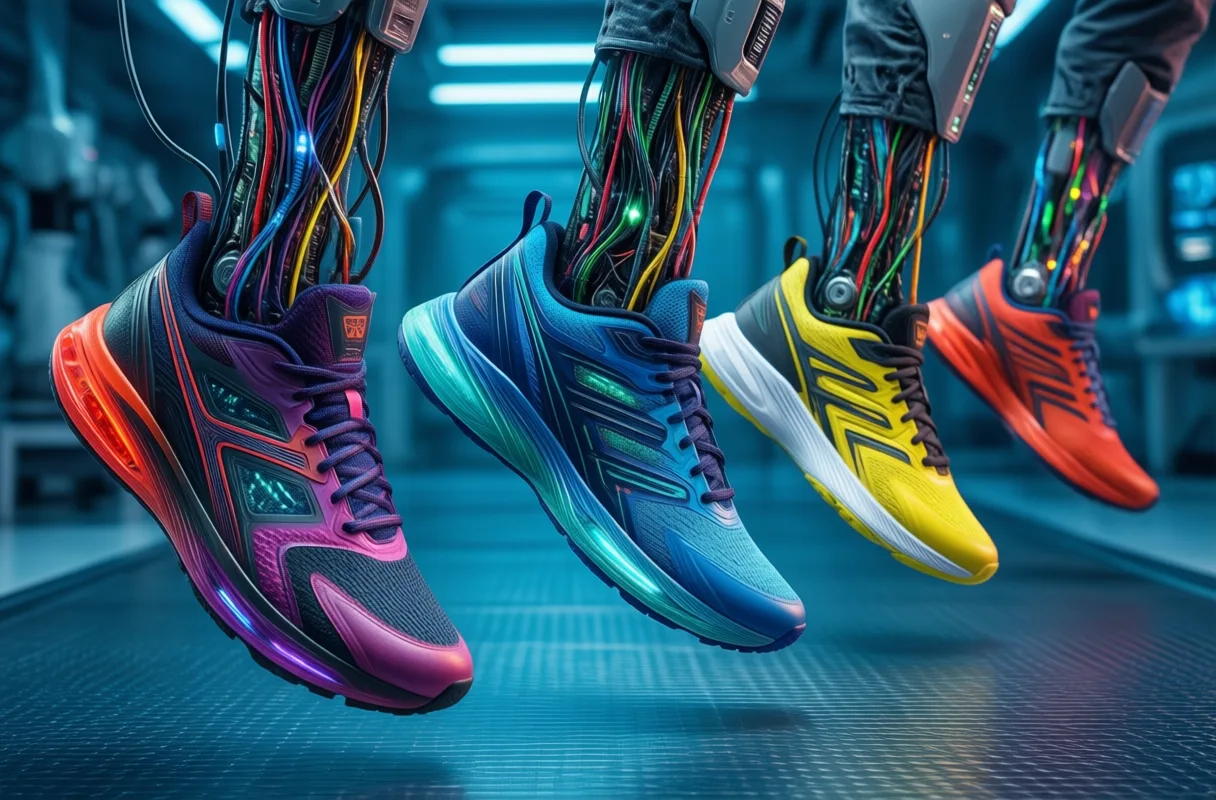
The Science of Support (And Why It Feels Like Freedom)
Your Foot Isn’t just a platform. It’s a complex network of bones, tendons, and sensors that communicate with your brain faster than your phone updates. When you move, your shoe has to keep up-not just protect, but respond.
A good fitness shoe doesn’t fight your motion-it enhances it. That means cushioning where you need it, stability where you’re prone to wobble, and flexibility where your foot naturally bends. Think of it like a well-tailored suit: if it’s too stiff, you can’t move. Too loose, and you look sloppy under pressure.
Designers have spent years studying how men move during different workouts. The result? Shoes built for specific kinds of impact. Running shoes prioritize forward motion and shock absorption, while cross-trainers balance lateral support with durability for multi-directional moves. Lifting shoes, on the other hand, often go minimalist-firm soles, zero drop, maximum ground connection.
- Running: Cushioned heels, flexible forefoot, lightweight build
- Cross-training: Durable outsoles, reinforced sides, moderate cushioning
- Lifting: Flat soles, raised heel options, rigid structure
You wouldn’t wear hiking boots to a sprint. So why wear runners to a HIIT class? Matching your shoe to your movement isn’t snobbery-it’s respect for your body’s mechanics.
And let’s talk breathability. When your feet cook inside a non-breathable upper, it’s not just uncomfortable-it can affect your performance. Moisture buildup leads to slippage, blisters, and that weird shame of peeling off socks that could stand up on their own.
Modern materials have made huge strides here. Engineered meshes, moisture-wicking linings, and strategic ventilation zones keep things dry without sacrificing structure. It’s not just about comfort-it’s about maintaining control when the intensity spikes.
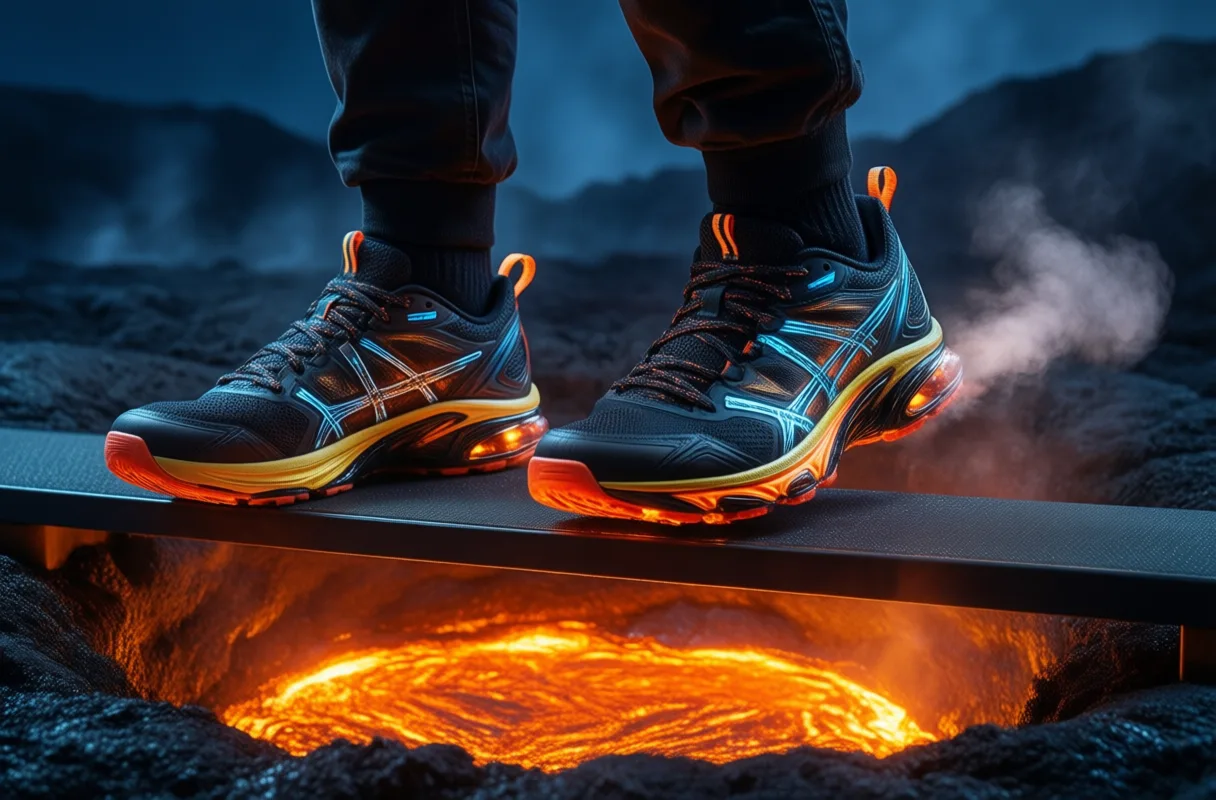
Fit Is Everything (And It’s Not About the Number)
You know your size. Or at least, you think you do. But here’s the truth: Your shoe size is a suggestion, not a law. Brands vary. Styles within the same brand vary. And your foot changes throughout the day-swelling slightly after activity, expanding in heat.
Trying on shoes in the afternoon or evening gives you the most accurate fit, especially if that’s when you usually work out. And always, always wear the socks you plan to train in. That thick pair you love for deadlifts? They’re changing the equation.
When you stand in a shoe, there should be a thumb’s width of space between your longest toe and the end. Not a millimeter more, not less. Your heel should lock in without slipping, and the midfoot should feel snug-but not tight.
Walk around. Squat. Simulate a lunge. If you wouldn’t do it in public, at least mimic it. A shoe that feels fine standing still might betray you under load.
And don’t ignore width. A narrow shoe might look sleek, but if it’s pinching your forefoot, you’re setting yourself up for numb toes or long-term discomfort. Some brands offer wide versions; others simply design with a roomier toe box. Either way, your toes should lie flat, not stack or splay.
Here’s a pro tip: rotate your shoes. Not for style-though that’s a nice bonus. Giving your shoes 24–48 hours between wears lets the midsole foam recover, the materials breathe, and the moisture fully escape. It extends the life of the shoe and keeps performance consistent.
And if you’re logging serious miles or lifting heavy week after week, replace your shoes before they beg for retirement. You’ll know it’s time when the cushioning feels flat, the tread is worn unevenly, or you start feeling more joint ache than usual.

Style Meets Substance (Because You’re Not Just Working Out-You’re Being Seen)
Let’s not pretend. You care how you look. Not in a vain way-more in a I put in the work, I should look like it Kind of way. And yeah, sometimes you walk out of the gym and straight into a coffee shop, a meeting, or a chance encounter with someone who notices details.
A sharp fitness shoe walks that line. It’s technical enough to perform, clean enough to pair with joggers and a leather jacket. The right colorway-black, charcoal, clean white-can elevate your whole vibe without saying a word.
Designers get this now. They’re building performance shoes with lifestyle appeal: sleek silhouettes, minimalist branding, premium materials that don’t scream “gym only.” It’s not about looking tough. It’s about looking Capable.
And when you feel good in what you’re wearing, you move differently. More confidently. Like you belong where you are-whether that’s under a barbell or across a boardroom table.
So yes, prioritize function. But don’t ignore form. The best Mens Fitness Shoes don’t force you to choose. They give you both-quietly, efficiently, without fanfare.
Because in the end, your shoes aren’t just gear. They’re part of your rhythm. Your routine. Your daily proof that you show up, even when no one’s watching. And when they are? Well, you’re ready.
| Shoe Type | Cushioning | Sole Structure | Primary Use |
|---|---|---|---|
| Running | Cushioned heel, flexible forefoot | Lightweight, shock-absorbing | Forward motion, pavement |
| Cross-training | Moderate cushioning | Durable, multi-directional | Lateral moves, HIIT |
| Lifting | Minimal cushioning | Flat, rigid | Heavy lifts, stability |
The Hidden Stories in Your Soles
How Your Foot Actually Works During a Workout
Ever wonder why some shoes feel like a second skin while others just feel… off? It all comes down to how your foot moves. When you run or jump, your foot doesn’t just hit the ground and push off-it rolls slightly from the outside of the heel to the ball of the foot. This natural motion, called pronation, is normal. The best fitness shoes don’t try to stop it completely but instead guide it gently, helping distribute impact so your knees and hips don’t pay the price later. That’s why many models include a denser foam wedge on the inner side of the midsole-it’s not just padding, it’s subtle support doing quiet work with every step.
From Tennis Courts to Treadmills: A Shoe’s Evolution
The modern fitness shoe didn’t spring from nowhere-it evolved alongside how we work out. Early athletic shoes were flat, stiff, and built more for show than science. It wasn’t until the 1970s that cushioning really took off, quite literally. One major breakthrough came when a shoe designer, frustrated with clunky soles, poured liquid into a mold and discovered it expanded into a lightweight, shock-absorbing foam. That accidental pour led to a whole new way of thinking about underfoot comfort. Today’s shoes use advanced foams that bounce back faster, meaning less energy lost with each stride and more available for your next rep or sprint.
Why the Tread Matters More Than You Think
Take a close look at the bottom of your fitness shoes-those grooves and lugs aren’t just for style. The outsole’s pattern is designed to grip different surfaces, whether you’re pivoting on a gym floor or jogging on pavement. A shoe built for cross-training needs multi-directional traction to handle side-to-side moves, while running shoes often have deeper, more linear grooves to push you forward efficiently. And here’s a fun twist: some treads are shaped to mimic the natural splay of your foot under pressure, helping you stay stable during heavy lifts or fast cuts. It’s not magic-it’s geometry working overtime. Explore more stories, videos, and creators on Loaded.
Frequently Asked Questions
What are the key differences between running, cross-training, and lifting shoes?
Running shoes have cushioned heels and a flexible forefoot for forward motion. Cross-training shoes offer durable outsoles and moderate cushioning for multi-directional moves. Lifting shoes feature flat soles and rigid structures for maximum ground connection.
Why is fit more important than shoe size when choosing fitness shoes?
Fit ensures proper support and performance. There should be a thumb’s width of space at the toe, a snug midfoot, and a locked-in heel. Feet change throughout the day, so trying on shoes in the afternoon with workout socks gives the best fit.
How does breathability affect fitness shoe performance?
Breathable materials like engineered meshes and moisture-wicking linings prevent moisture buildup. This reduces slippage, blisters, and discomfort during intense workouts.
When should you replace your fitness shoes?
Replace fitness shoes when cushioning feels flat, tread is worn unevenly, or joint aches increase. Rotating shoes every 24–48 hours helps maintain performance and extends their life.
This article was produced with AI assistance. How Granite Magazine uses AI.
Rhea examines the intersection of professional ambition and cultural identity, spotlighting how modern men navigate purpose, ethics, and growth. Her work blends narrative depth with sociological insight across industries and life stages.