
If you're serious about your game but don’t want to look like a lab-tested robot on the court, listen up. New Balance tennis Shoes aren’t just about comfort-they’re built to match the surface under your feet and the way your body moves. Treat your sneakers like a tailored suit: the right cut for the right moment.
Hard Court Crushers: Fresh Foam That Absorbs the Punch
Hard courts are unforgiving. They beat up your joints, punish bad landings, and Highlight Every flaw in your footwear. That’s why New Balance Fresh Foam tennis shoes Are engineered to take the sting out of high-impact play. The cushioned midsole doesn’t turn you into a marshmallow-it gives you feedback without the ache.
You want bounce, not bottoming out. Fresh Foam delivers responsive cushioning that compresses just enough, then springs you back into motion. No dead spots, no delayed reactions-just quick, clean transitions from baseline to net.
These Shoes Are for the player who grinds. Think long rallies, sharp cutbacks, and the kind of lateral moves that leave lesser soles peeling like old paint. The outsole rubber is built to handle abrasion, so you’re not sliding around like you’re on greased tile.
- Engineered for repeated impact
- Midsole balances softness and stability
- Durable rubber that resists shredding
- Upper construction supports lockdown at speed
You might love flashy speed, but Surviving the full set Is what counts. Fresh Foam isn’t about looking cool at the café-it’s about feeling strong in the fifth game of the third set.
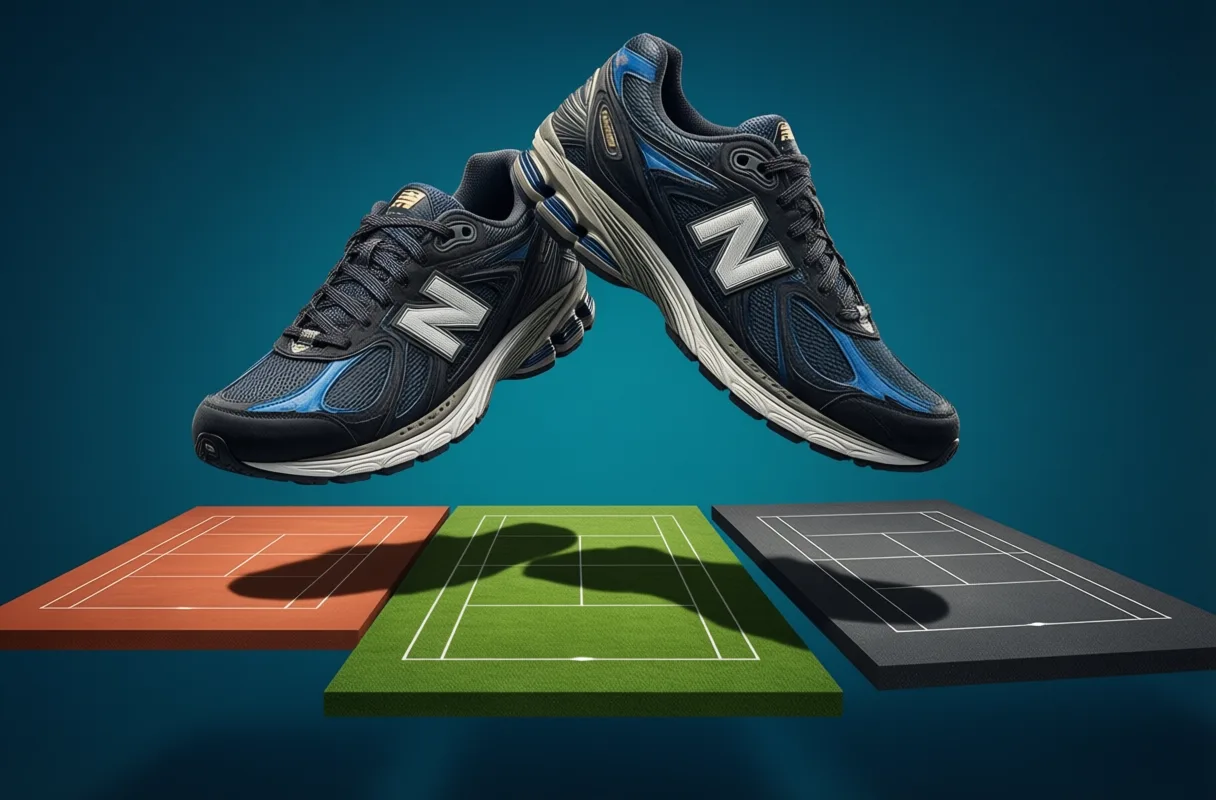
Grass Gears: Light, Fast, and Ready to Slide
Grass courts change the game-literally. The surface is slick, slicker than a politician’s promise, and demands a different kind of footwork. Here, Lightweight builds With precision traction make the difference between gliding and face-planting.
Herringbone outsoles dig just enough to push off, then release smoothly for that effortless slide into position. You don’t want to stick-You want controlled glide. New Balance nails this with rubber patterns designed for grip without grab.
These shoes are stripped of excess. Less bulk, less bounce, more direct connection to the turf. It’s like swapping a luxury sedan for a track-tuned roadster-same engine, different intention.
- Minimalist cushioning for ground feel
- Herringbone patterning optimized for grass
- Quick transitions from serve to volley
- Low-profile fit to reduce foot roll
The faster the court, the faster you need to be-And that starts from the ground up. If you're charging the net or slicing your way through a match, your shoes should help, not hinder.
You’re not just playing the ball-you’re playing the surface. And on grass, every millisecond of response time matters. Light, agile, and built to last, these kicks respect the history of the lawn while pushing speed forward.
Clay Court Ready: Tread That Breathes
Clay is messy. It kicks up, sticks around, and will clog a bad sole in three points flat. That’s where Open tread designs Come in-engineered to shed dirt, not pack it in like a snowball in July.
New Balance clay-specific models prioritize Debris release Over deep grip. You need traction, yes-but not the kind that turns your shoe into a brick. The wide grooves between lugs let red dust escape with every step.
No one wants to waddle through a match like their shoes are filling with mud. These models keep you light, agile, and ready to slide into defensive position without tripping over their own buildup.
- Open lug patterns for self-cleaning
- Softer rubber that won’t tear up clay
- Balanced cushioning for slide and stop
- Breathable uppers to handle long rallies
Sliding on clay isn’t a flaw-it’s a technique. The right shoe lets you do it on purpose, not by accident. Control your movement, not just your swing.
And let’s be real: looking good on clay means not looking like you’ve been wrestling in a dirt pit. Clean lines, clean treads, clean performance-Function meets form Without compromise.
Outdoor Hard Court Warriors: Built for the Grind
Outdoor hard courts are where tennis goes to get tough. Sun-baked, gritty, and rougher than a two-dollar steak, they demand Stability-focused constructs That won’t fold after one weekend.
These shoes are armored without being clunky. Reinforced heel counters, torsional shanks, and dual-density midsoles keep your foot stable when you’re cutting sideways at full sprint. No wobble, no roll-just sharp, confident direction changes.
Abrasive surfaces eat rubber for breakfast. That’s why the outsoles are made with high-density compounds that resist wear without sacrificing grip. You’re not replacing your kicks every month.
- Supportive fit for aggressive lateral moves
- Enhanced heel lockdown to prevent slippage
- Shank systems for midfoot rigidity
- Abrasion-resistant rubber in high-wear zones
Stability isn’t just about injury prevention-it’s about Owning your space On the court. When you plant and pivot, you want the shoe to move with you, not against you.
This is urban tennis, streetball energy, no country club polish. You need durability, sure-but also the kind of confidence that comes from knowing your gear won’t quit before you do.
Indoor Speedsters: Low, Fast, and Sharp
Indoor courts are smooth, fast, and demand Lightning-fast directional changes. That’s where low-profile silhouettes shine-sitting close to the ground so you can dart, pivot, and reset like a ghost.
Less stack height means better court feel. You’re not bouncing on a cloud-you’re skimming the surface, reacting before your opponent finishes their swing. Proximity to the floor equals control.
The design is minimalist by purpose, not by cost. Every ounce saved is a fraction of a second gained. The upper hugs the foot, the midsole responds instantly, and the outsole grips without dragging.
- Low-to-the-ground profile for agility
- Snug midfoot containment
- Non-marking rubber for indoor surfaces
- Quick break-in, no “getting used to”
Speed isn’t just about running-it’s about stopping, cutting, and reversing in the blink of an eye. These shoes are made for players who treat the baseline like a launchpad.
If your game is based on reflexes and precision, not raw power, then Your shoe should disappear the second you step on the court. No distractions, no drag-just movement.
| Court Type | Key Features | Outsole Design | Fit and Cushioning |
|---|---|---|---|
| Hard Court | Responsive cushioning, durable rubber, engineered for impact | Abrasion-resistant with lockdown support | Balanced softness and stability |
| Grass Court | Lightweight build, precision traction | Herringbone pattern for grip and glide | Minimalist cushioning, low-profile fit |
| Clay Court | Debris release, agility in sliding | Open lug pattern for self-cleaning | Balanced cushioning, breathable upper |
| Outdoor Hard Court | Stability-focused, abrasion-resistant | High-density rubber in high-wear zones | Supportive fit, enhanced heel lockdown |
| Indoor Court | Low-to-the-ground agility, quick transitions | Non-marking rubber, grippy but smooth | Snug containment, minimal break-in |
How New Balance Splits the Court: Fit, Feel, and Function
Built for the Surface You Own
New Balance designs tennis shoes with specific court types in mind, because what works on clay might not cut it on hard courts. Their hard-court models often feature extra cushioning in the heel and forefoot-areas that take the biggest hit when you're sliding to a stop on concrete or acrylic. On the other hand, shoes built for clay emphasize flexibility and a herringbone outsole pattern that sheds dirt easily, helping players pivot without getting bogged down. Grass-court versions, while less common in the lineup, focus on lightweight traction with small rubber nubs to grip soft, slick surfaces without tearing up the lawn.
The Fit Factor: Widths That Actually Fit
One thing that sets New Balance apart? They don’t treat foot shape like a one-size-fits-all puzzle. Many of their tennis shoes come in multiple width options, from narrow to extra wide, which is rare in performance tennis footwear. This isn’t just about comfort-it affects stability and injury prevention. A snug but not tight fit helps keep your foot from sliding inside the shoe during sharp lateral moves, which means better control when you’re chasing down a drop shot. Players with wider feet often find relief in models that don’t force them to compromise support for space.
From the Lab to the Baseline
New Balance puts their tennis shoes through rigorous wear testing, often using real athletes on actual courts-not just lab simulations. This real-world feedback helps refine everything from the durability of the outsole rubber to the breathability of the upper mesh. Some models even use blown rubber in high-wear zones, which is lighter and offers better shock absorption than solid rubber. It’s these thoughtful tweaks, grounded in athlete input, that help their shoes stand out in a crowded market where split-second responsiveness can make or break a point. Explore more stories, videos, and creators on Loaded.
Frequently Asked Questions
What type of New Balance shoes are best for hard courts?
New Balance Fresh Foam tennis shoes are engineered for hard courts, offering responsive cushioning and durable rubber outsoles that handle repeated impact and lateral movements.
How do New Balance shoes for grass courts differ from others?
Grass court New Balance shoes feature lightweight builds, herringbone outsoles for controlled glide, and minimalist cushioning to maintain ground feel and quick transitions.
What makes New Balance clay court shoes effective on red clay?
Clay-specific New Balance shoes have open lug patterns that shed dirt, softer rubber outsoles, and breathable uppers to stay light and agile during long rallies.
Why do New Balance tennis shoes offer multiple width options?
Multiple width options ensure a secure fit for various foot shapes, improving stability, preventing slippage, and reducing injury risk during sharp lateral movements.
This article was produced with AI assistance. How Granite Magazine uses AI.
Tobin covers physical performance, mental resilience, and daily habits that shape a disciplined yet balanced life. He tests gear, decodes training trends, and interviews experts to deliver actionable insights without dogma.