
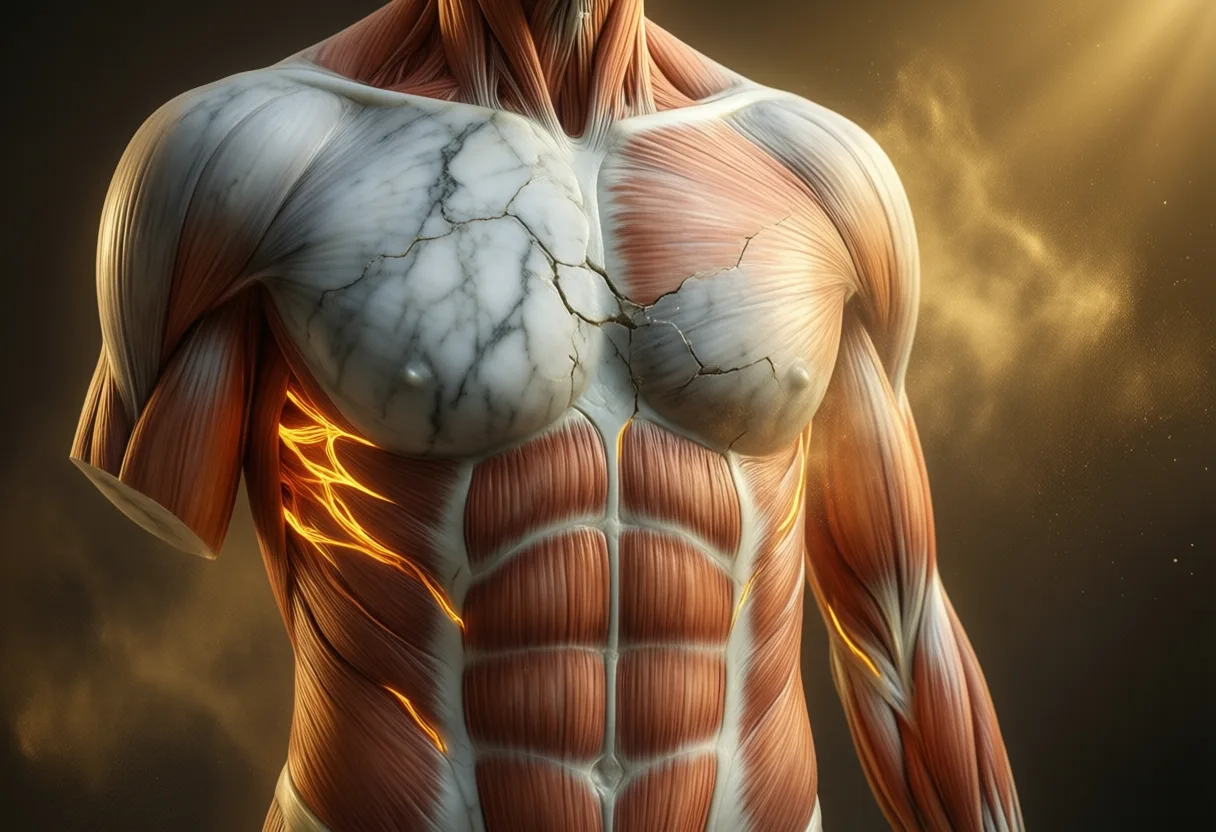
How to Build Lean Muscle Without Losing Definition
Most guys think Building muscle Means turning into a walking boulder-bulky, stiff, and sweating through every shirt they own. But the real goal isn’t mass at any cost. It’s Lean muscle: tight, defined, and functional-the kind that looks just as good in a tailored suit as it does on the beach.
Today’s physique isn’t about brute size. It’s about balance. Clean lines, visible abs, and shoulders that taper like a Greek statue’s chisel marks. You want Strength That shows, not just strength that lifts. And that means building muscle without burying it under layers of fat or unnecessary bulk.
Forget the old-school “eat everything and lift heavy” mantra. That playbook worked in the ’90s, maybe. Now, we train smarter, eat cleaner, and Recover like It’s part of the workout-because it is. The modern man doesn’t just want to be strong. He wants to look like he belongs in motion.

Why Traditional Bulking Often Backfires for Modern Physiques
Bulking used to mean one thing: eat 5,000 calories a day, mostly junk, and pray the scale moves up. But here’s the catch-most of that weight wasn’t muscle. It was fat sneaking in like an uninvited guest at a rooftop party.
When you gain weight too fast, your body can’t keep up with actual muscle synthesis. Instead, it stores excess energy. The result? A soft, puffy look-great if you’re auditioning for a sumo ad, not so much if you’re trying to stay sharp in a slim-fit blazer.
And then comes the cut. Weeks of misery, cardio marathons, and sad salads just to shed what you didn’t want in the first place. By the end, you’ve lost some muscle too. It’s like remodeling your kitchen only to burn down the house.
- Rapid weight gain often leads to disproportionate fat accumulation
- Muscle definition gets buried under unnecessary layers
- Post-bulk cuts can trigger muscle loss and metabolic slowdown
The modern approach flips this. We aim for Slow, controlled growth-adding muscle without sacrificing aesthetics. Think of it like upgrading your car engine without changing the paint job. Power under the hood, still sleek on the outside.
Training Smarter: Volume, Frequency, and Time Under Tension
You don’t need to train like a powerlifter to build a powerful body. In fact, lifting maximal weights every day is a fast track to burnout, injury, and stalled progress. The real gains come from consistency, not chaos.
Volume-the total number of sets and reps-is a major driver of muscle growth. But more isn’t always better. There’s a sweet spot where stimulus meets recovery. Hit it, and you grow. Miss it, and you spin your wheels.
Frequency matters just as much. Hitting each muscle group 2–3 times per week keeps the growth signals active. It’s like watering a plant daily instead of drowning it once a month. Small, regular doses work better than occasional floods.
Then there’s Time under tension-how long your muscles are working during each set. Slowing down the eccentric (lowering) phase of a lift increases muscle fiber recruitment. A 3-second descent on a squat or bench press turns an ordinary rep into a growth trigger.
- Aim for 10–20 weekly sets per muscle group
- Train each major group at least twice a week
- Control the tempo: 3 seconds down, 1 second up, 1 second pause
This isn’t about maxing out on ego lifts. It’s about making every rep count. The gym isn’t a battlefield. It’s a workshop. And your body is the masterpiece in progress.
The Role of Progressive Overload in Sustainable Growth
Progressive overload isn’t a buzzword. It’s the one non-negotiable law of muscle growth. If you want your body to change, you have to keep challenging it. Same weights, same reps, same routine? That’s maintenance, not progress.
But overload doesn’t mean adding 10 pounds to the bar every week. That’s how tendons snap and motivation dies. True progression is subtle. It’s one more rep with the same weight. It’s better form. It’s shorter rest times. It’s lifting with more control and intent.
Think of it like leveling up in a video game. You don’t jump from level 5 to 50 overnight. You grind the quests, upgrade your gear, and inch forward. The gains stack quietly-until one day, you look in the mirror and realize you’ve changed.
- Increase reps before increasing weight
- Focus on full range of motion
- Track workouts to ensure steady progress
The strongest physiques aren’t built in bursts. They’re grown over time, rep by rep, session by session. The secret isn’t intensity-it’s Intelligent consistency.

Nutrition: Precision Over Excess for Lean Development
Let’s be honest: no amount of spinach and chicken breast will fix a lousy workout routine. But neither will a mountain of protein shakes and cheat meals fix a lousy diet. Nutrition isn’t about perfection. It’s about Precision.
You don’t need to eat 4,000 calories to grow. You need to eat Slightly more Than your body burns-just enough to fuel muscle repair without spilling into fat storage. A small surplus, sustained over time, beats a massive one that blows up your waistline.
Protein is your foundation. It’s the raw material for muscle. Hitting a solid daily target gives your body what it needs to rebuild stronger. But don’t treat every meal like a protein shake chug. Real food first. Supplements second. Flavor always.
- Prioritize whole foods: lean meats, eggs, veggies, healthy fats
- Space protein intake across 3–4 meals
- Limit processed carbs and added sugars
And hydration? It’s not sexy, but it’s essential. Water carries nutrients, flushes waste, and keeps joints moving smoothly. Skip it, and your gains slow down like a luxury car stuck in traffic.
Recovery as a Foundational Pillar of Muscle Remodeling
Here’s a truth most guys ignore: Muscles don’t grow in the gym. They grow when you’re resting. Every squat, every pull-up, every set-it’s just the trigger. The real work happens while you sleep, eat, and let your body rebuild.
Skimp on sleep, and your testosterone drops. Cortisol rises. Recovery slows. You walk into the gym feeling like a drained battery. That’s not dedication. That’s self-sabotage.
Active recovery counts too. Light walks, stretching, foam rolling-they’re not “soft.” They’re smart. They keep blood flowing, reduce soreness, and prep your body for the next session. Think of it as maintenance for a high-performance engine.
- Aim for 7–9 hours of quality sleep nightly
- Schedule at least one full rest day per week
- Incorporate mobility work into your routine
Recovery isn’t downtime. It’s Growth time. Treat it like part of the workout, because it is.

Avoiding the Pitfalls of Extreme Diets and Supplement Hype
Walk into any supplement store, and you’ll see promises everywhere: “Shred fat in 7 days!” “Build mass overnight!” “No dieting needed!” These aren’t solutions. They’re distractions sold in colorful bottles.
Extreme diets-zero carb, 500-calorie fasts, juice cleanses-might give short-term results. But they wreck your metabolism, kill your energy, and make you miserable. And when you quit (and you will), the weight comes back like an ex who won’t take no for an answer.
Supplements can help, but only if your foundation is solid. Protein powder is useful when you’re short on time. Creatine has research behind it. But no pill replaces real food, real sleep, or real effort.
- Stick to basics: whole foods, consistent training, quality sleep
- Avoid “miracle” claims and quick fixes
- Use supplements to support, not replace, fundamentals
The truth is boring: there are no shortcuts. Just smart habits, repeated over time. The guys with the best physiques aren’t using secret stacks. They’re just consistent.
Building a Physique That Lasts: Consistency, Form, and Long-Term Vision
The best bodies aren’t built in six weeks. They’re built over years. Not through bursts of motivation, but through Daily discipline. The guy who shows up when he doesn’t feel like it-that’s the one who wins.
Form matters. Lifting with control beats swinging heavy weights like a madman. Good technique protects your joints, targets the right muscles, and builds strength that lasts. It’s not about how much you lift. It’s about how well you lift it.
And keep your eyes on the long game. This isn’t about looking good for a vacation. It’s about feeling strong, confident, and capable every day. A great physique isn’t a destination. It’s a lifestyle.
- Focus on progress, not perfection
- Celebrate small wins: better posture, more energy, tighter clothes
- Train for life, not just for mirrors
Because in the end, it’s not just about how you look. It’s about how you move through the world. And that kind of strength-quiet, steady, undeniable-never goes out of style.
Building a Stronger You: Fun Facts Behind the Gains
Muscle Doesn't Turn Into Fat (And Vice Versa)
It’s a common gym myth that if you stop lifting, your hard-earned muscle will “turn into” fat. That’s not how the body works-muscle and fat are entirely different tissues. When someone stops training, their muscles shrink from lack of use (a process called atrophy), while body fat can increase if calorie intake stays high. The visual shift makes it Look Like muscle became fat, but really, it’s just two separate changes happening at once. This is why maintaining some level of activity helps keep body composition in check, even during breaks.
Your Tendons Play a Bigger Role Than You Think
While most focus on biceps and abs, tendons-the tough cords connecting muscle to bone-are quietly crucial for building a resilient physique. They adapt more slowly than muscle, which is why sudden increases in workout intensity can lead to overuse injuries. Strengthening them takes time and consistency, not max effort every session. Eccentric movements, like slowly lowering a dumbbell during a bicep curl, place beneficial tension on tendons and support long-term joint health.
The "Pump" Isn’t Just for Show
That tight, full feeling in your muscles during a workout-the pump-is caused by increased blood flow and fluid buildup in the muscle tissue. While temporary, research suggests this cellular swelling might actually signal growth over time by stressing the muscle cells in a way that promotes adaptation. It’s not just aesthetic; it’s your body responding to the work. Some athletes even prioritize higher-rep sets specifically to maximize this effect, especially in later stages of a training cycle. Explore more stories, videos, and creators on Loaded.
Frequently Asked Questions
What is lean muscle and why is it important for modern physiques?
Lean muscle is tight, defined, and functional muscle that enhances appearance without excess bulk. It provides strength that shows, maintaining clean lines and definition for a balanced, athletic look.
Why does traditional bulking often backfire?
Traditional bulking leads to rapid weight gain, mostly from fat, which buries muscle definition. The following cut phase often causes muscle loss and metabolic slowdown, undoing much of the progress.
How does recovery contribute to muscle growth?
Muscles grow during rest, not in the gym. Quality sleep, rest days, and active recovery like stretching allow the body to rebuild, maintain hormone balance, and support long-term progress.
Does muscle turn into fat when you stop working out?
No, muscle and fat are different tissues. When training stops, muscles shrink from disuse and fat may increase if calorie intake remains high, creating the illusion that muscle turned into fat.
This article was produced with AI assistance. How Granite Magazine uses AI.
Quinn explores the nuances of men’s fashion and personal care with a focus on timeless elegance and modern practicality. They emphasize sustainable choices, intelligent design, and the psychology behind how men present themselves in evolving social landscapes.