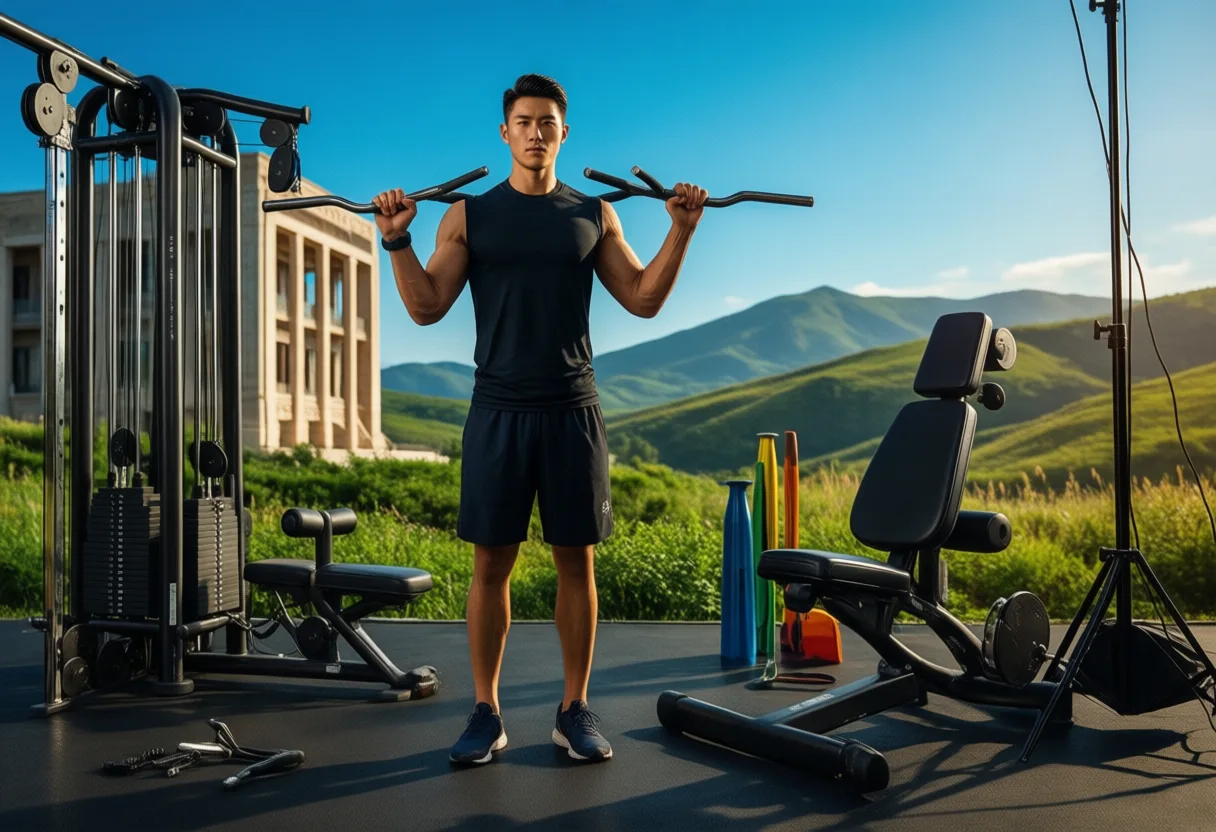
You don’t need a Hollywood trainer or a Six-figure wardrobe To look powerful in front of the lens. What you do need is control-over your posture, your expression, the way light hits your shoulders, and how fabric drapes across your frame. This isn’t about vanity. It’s about presence.
A mens fitness photoshoot isn’t just a flex. It’s a statement. And like any good speech, it only lands if every element serves the message.
Why Your Posing Looks Flat-And How to Fix It
Most guys step into a shoot thinking, “Just stand tall and flex.” That’s like showing up to a poker game with your cards face-up. Good posing isn’t static-it’s controlled tension. Think of your Body like A tuned suspension system: engaged but not rigid, ready to respond.
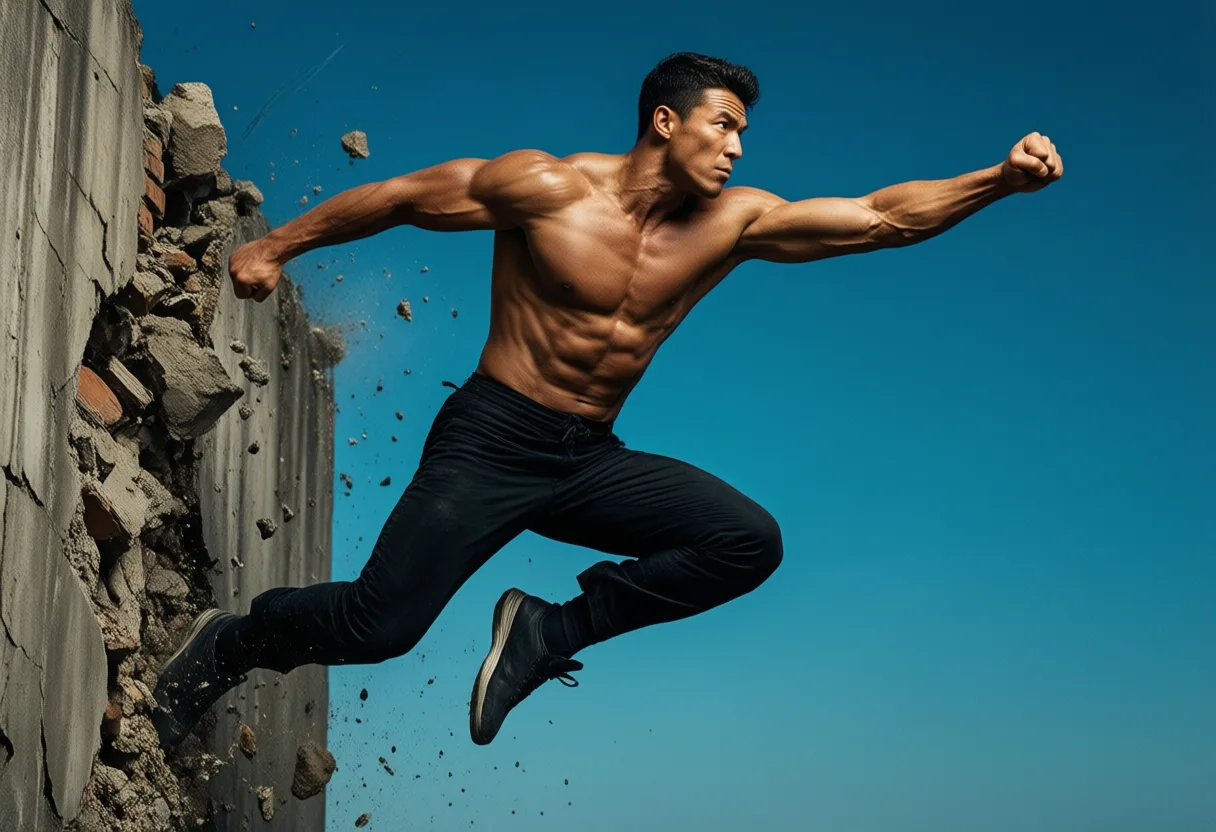
Start with your foundation. Feet shoulder-width apart grounds you, literally and visually. Shift your weight slightly to one leg and rotate the other foot outward-this breaks symmetry and adds dynamism. It’s the same stance a boxer takes before the bell, subtle but charged.
Now engage your core-not to suck in, but to stabilize. This lifts your ribcage, opens your shoulders, and creates that V-taper illusion without contortion. Tuck your chin slightly. Not too much-you’re not hiding from paparazzi-but enough to tighten the jawline. The neck is often forgotten, but it’s the bridge between face and physique.
- Plant your feet with intention
- Rotate one hip back to create depth
- Squeeze the glutes to lift and tighten the lower back
Your arms? Don’t just hang. Let one rest on the hip, the other slightly bent, elbow out like you’re about to point at something important. Or try the “hero lean” against a wall-shoulder blade pulled back, opposite hand in pocket. These aren’t poses. They’re power positions disguised as casual.
And breathe. Seriously. A sharp inhale can pop the chest for a split second-perfect for the shutter click. But hold it too long and you’ll look like you’re wrestling a suitcase shut. Natural rhythm wins every time.
Angles That Amplify Power Without Photoshop
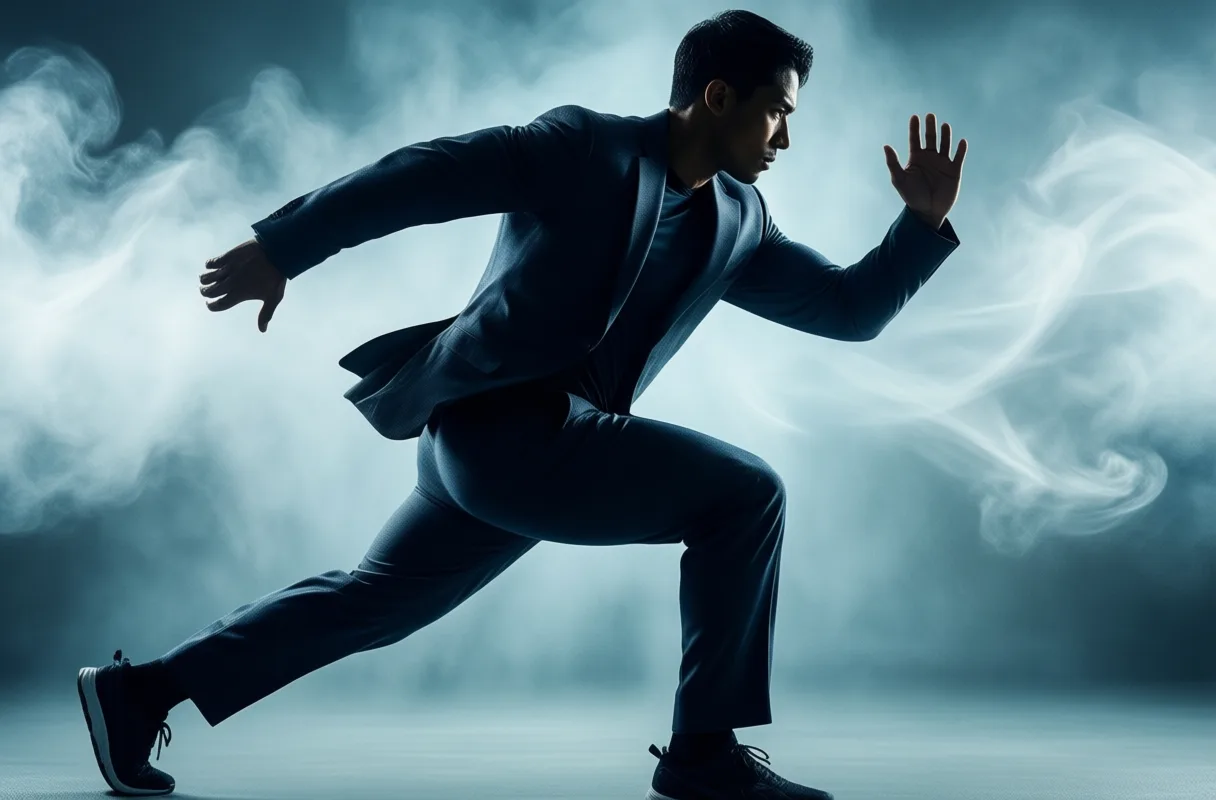
The camera doesn’t lie-but it does exaggerate. A shot taken from below turns a man into a colossus. One from above? Suddenly you’re auditioning for a sad cereal commercial. Angle is leverage. Use it.
Eye-level shots feel honest, almost documentary. But for authority, drop the lens. Even six inches lower forces you to tilt your chin down slightly, which shadows the eyes and deepens the jaw. It’s the same trick action heroes use-half shadow, half smirk.
Go wider for context. A full-body shot from ten feet away captures proportion-the slope of your back, the line from shoulder to ankle. But close in when you want drama. Frame the torso so the pecs form a natural triangle, leading the eye upward. The deltoids should peek into the corners like bookends.
Try the three-quarter angle-somewhere between front-on and profile. This reveals both biceps and lats without looking staged. It’s the sweet spot between show-off and self-aware. Rotate slowly as the shutter fires. One degree at a time. You’ll see the light shift across your traps like sunrise over a ridge.
Avoid straight-on unless you’re built like a phone booth. Frontal shots flatten dimension, especially under flat lighting. Instead, twist your torso so one shoulder leads. Now the camera sees depth, contour, separation. It’s not cheating-it’s geometry.
And don’t forget movement. A slight step forward mid-shot adds tension in the quads and hips. A slow turn lets muscles glide under skin-organic, alive. Stillness has power, but motion has magnetism.
Lighting Choices That Sculpt, Not Flatten
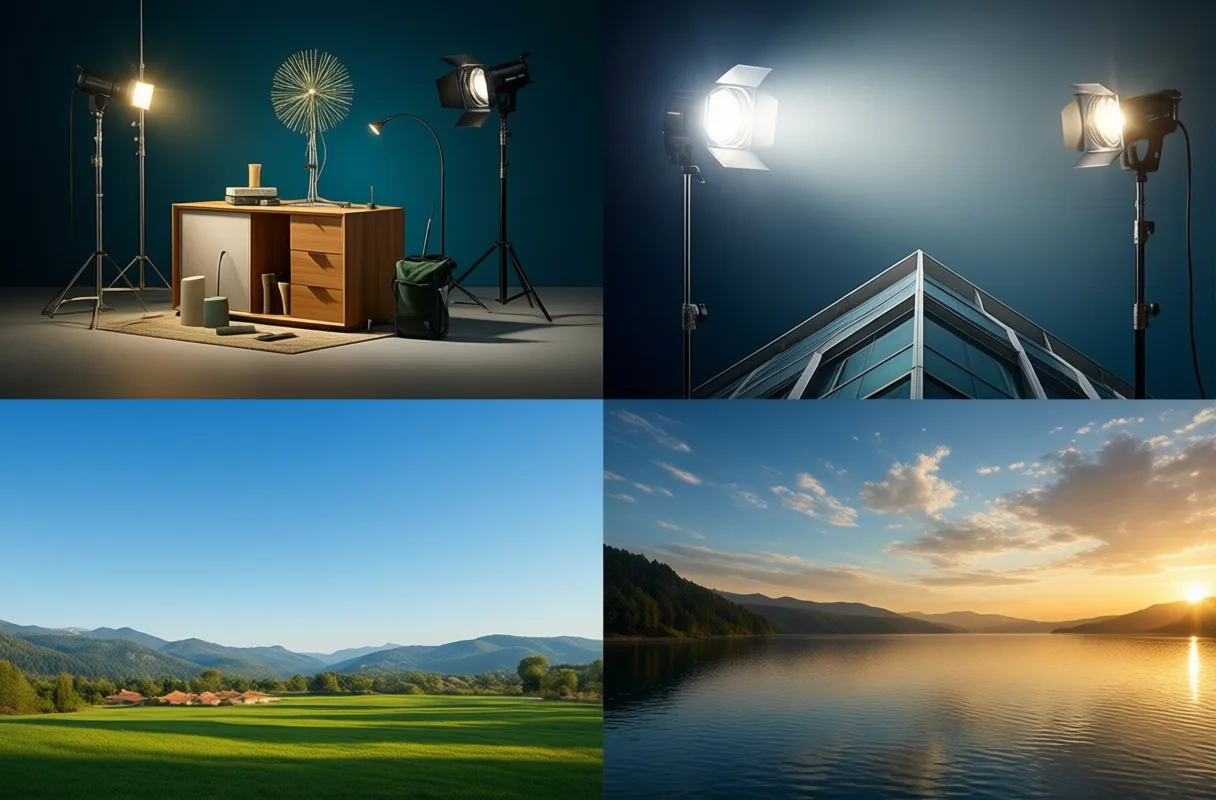
Light doesn’t just illuminate-it defines. Bad lighting washes you out, pools in all the wrong places, turns sweat into grease. Great lighting treats your body like architecture: ridges, planes, shadows.
Natural light near a large window is forgiving and dimensional. Morning sun wraps softly; late afternoon casts longer shadows that emphasize muscle striations. Stand close enough to feel the warmth, far enough to avoid harsh highlights. Diffuse it with a sheer curtain if needed-soft is strong.
For indoor shoots, avoid overhead bulbs. They crater the eyes and flatten the chest. Instead, use a single key light at 45 degrees-off to one side and slightly above. This carves the obliques, lifts the pecs, and gives your spine a spine. Add a reflector opposite to bounce light into the shadows, just enough to retain detail without killing contrast.
Hard light-direct, focused-creates drama. Think spotlight on a stage. It works for high-impact shots: a flex, a lunge, a moment of strain. Soft light-diffused, broad-is better for editorial ease. It flatters skin, smooths transitions, feels more approachable.
Watch where the shadows fall. A shadow slicing across the abs tells a story. One pooling under the jaw adds mystery. But beware double chins and nose shadows that look like bruises. Adjust your head tilt, not the light. Small moves, big impact.
Golden hour remains undefeated. The sun low, the sky warm, the world bathed in that amber glow that makes everyone look like they’ve got secrets. If you’re shooting outdoors, this is your window-literally and figuratively.
Wardrobe and Grooming: Subtle Signals of Strength
You could have the physique of a Greek statue, but show up with greasy hair and wrinkled shorts? The brain registers dissonance. Grooming and clothing aren’t accessories-they’re alignment.
Stick to simple, well-fitting pieces. A tailored tank top beats a stretched-out tee. Compression gear works if it’s clean and seamless-no logos screaming like a energy drink mascot. Solid colors dominate: charcoal, navy, olive. They recede, letting your shape take center stage.
Fabric matters. Cotton blends breathe. Nylon wicks. Mesh panels ventilate. But avoid anything too shiny-looks cheap, reads as synthetic. Matte finishes photograph better and feel more intentional. Texture adds interest: a ribbed hem, a subtle stitch, a raw edge.
Hair should look touched, not tortured. A light matte paste for texture, run through with fingers. Not sculpted like armor, not slicked back like a villain in a spy film. Just Lived-in. Same with facial hair-clean lines, even growth, nothing wild unless it’s part of your brand.
Skin? Hydrated, not oily. A quick wipe with a toner removes excess shine without stripping. A dab of concealer under the eyes if needed-because sleepless nights happen, even for gods. But skip the foundation. You’re going for vitality, not filter.
And smell good. Not “just left a cologne counter,” but “spent ten minutes getting ready and it shows.” One spray behind the ears, maybe on the wrists. Sandalwood, vetiver, something earthy and grounded. Confidence doesn’t shout. It lingers.
The Final Frame: Review, Refine, Repeat
The shoot ends when the last click fades. But your work? That’s just beginning. Review every image like a coach studying game tape-objective, unflinching, curious.
Zoom in. Check for stray hairs, lint on fabric, shadows cutting through key muscles. Look at the eyes-are they sharp, present, or glazed? Is the pose repeatable, or did you nearly dislocate a shoulder holding it? Be honest. Some frames will sing. Others will whisper, “maybe next time.”
Compare angles. Did the low shot make you look powerful or comically large? Did the side profile capture your lats or hide them behind your arm? Note what worked. Save those frames as references. Build a mental library of what Feels Right on your body.
Then refine. Adjust your stance. Try a different grip. Change the light by a few inches. Shoot again. Not because the first wasn’t good, but because the second might be undeniable.
This isn’t about perfection. It’s about progression. Every mens fitness photoshoot teaches you something new-about your body, your style, the way you carry yourself when someone’s watching. Do it again. Then again. Until the camera doesn’t surprise you anymore. Until you know, without looking, exactly how you’ll appear in the final frame.
Posing Like a Pro: The Hidden Science of Fitness Photography
The Power of Angles and Illusions
Ever notice how fitness models always seem to have wider shoulders and a narrower waist? It’s not just genetics-it’s geometry. Photographers often shoot from a slightly lower angle to make the subject appear taller and more dominant, enhancing the V-taper that’s so prized in men’s fitness. Leaning forward just a few degrees while flexing can also make the chest pop more dramatically under the lights. And here’s a sneaky trick: sucking in the stomach slightly while flaring the lats creates the illusion of a tighter core and broader back-perfect for that cover-ready look.
Sweat, Shine, and the Right Time to Flex
On set, a little moisture goes a long way. While real sweat can look messy under hot lights, a fine mist of water is often sprayed on the skin to create that glistening, “just-finished-a-set” effect. Combined with a touch of oil on the shoulders and abs, it makes muscle definition pop in photos. Timing matters too-models usually flex at the very last second before the shutter clicks. Holding a pose too long leads to shaking and fatigue, which shows up sharp in high-resolution images. That split-second tension delivers the cleanest, most powerful look.
The 24-Hour Prep Most Guys Overlook
What you do a full day before the shoot can make or break the final image. Hydration plays a huge role-staying well-watered for 24–48 hours before the session helps muscles look fuller and skin appear tighter. Conversely, chugging water the morning of can lead to bloating. Many pros also tweak their carb intake in the final 24 hours, a technique called “carb loading,” to maximize muscle fullness. And sleep? It’s not just recovery-it reduces puffiness and helps keep the face lean and defined in photos. Explore more stories, videos, and creators on Loaded.
Frequently Asked Questions
What is the best stance for a powerful look in a fitness photoshoot?
Stand with feet shoulder-width apart, shift weight to one leg, and rotate the other foot outward. Engage your core, tuck your chin slightly, and squeeze your glutes to create depth and tension.
How can lighting improve muscle definition in photos?
Use a single key light at 45 degrees to carve obliques and lift pecs. Natural light near a window or during golden hour enhances dimension, while avoid overhead bulbs that flatten the chest.
What wardrobe choices work best for a men's fitness photoshoot?
Wear well-fitting, simple pieces in solid colors like charcoal, navy, or olive. Choose matte fabrics with texture, avoid shininess, and opt for clean compression gear or tailored tank tops.
How does angle affect the perception of strength in fitness photography?
Shooting from slightly below makes the subject appear taller and more dominant. The three-quarter angle reveals biceps and lats, while twisting the torso adds depth and avoids a flat frontal look.
This article was produced with AI assistance. How Granite Magazine uses AI.
Quinn explores the nuances of men’s fashion and personal care with a focus on timeless elegance and modern practicality. They emphasize sustainable choices, intelligent design, and the psychology behind how men present themselves in evolving social landscapes.