

How Online Fitness Transformed Men’s Approach to Long-Term Strength
Gone are the days when Building real Strength meant grunting through chaotic gym sessions with no clear plan. Today, men are trading random lifts for structured, science-backed programs they can follow from home. The shift isn’t about convenience-it’s about Consistency over chaos.
Online platforms have quietly reshaped how men think about fitness. Instead of chasing viral six-pack challenges, more are focusing on progressive overload, movement quality, and long-term progress tracking. The result? Fewer injuries, Better results, and a quieter kind of confidence that doesn’t need to scream from a squat rack.
This isn’t fitness reinvented-it’s fitness rethought. With expert programming just a click away, men now have access to Training logic Once reserved for elite athletes. The barrier wasn’t equipment or time. It was Knowing what actually works.
Why Quick Gains Fade - And What Lasts Instead
Crash diets and 30-day shred programs promise fast results, but most men know the truth: the gains vanish as quickly as they came. Rapid weight loss often strips muscle, slows metabolism, and leaves you hungrier than before. The body adapts fast-and not always in your favor.
Real strength isn’t measured in how much you can lift one day, but how much you can lift six months from now. Progressive improvement, not max effort, is the engine of lasting change. That means adding small challenges over time-more reps, better form, slightly heavier loads-without burning out.
Men who stick with fitness long-term aren’t the ones doing the flashiest moves. They’re the ones showing up, session after session, trusting the process. And that quiet discipline builds more than muscle-it builds Resilience, focus, and control.
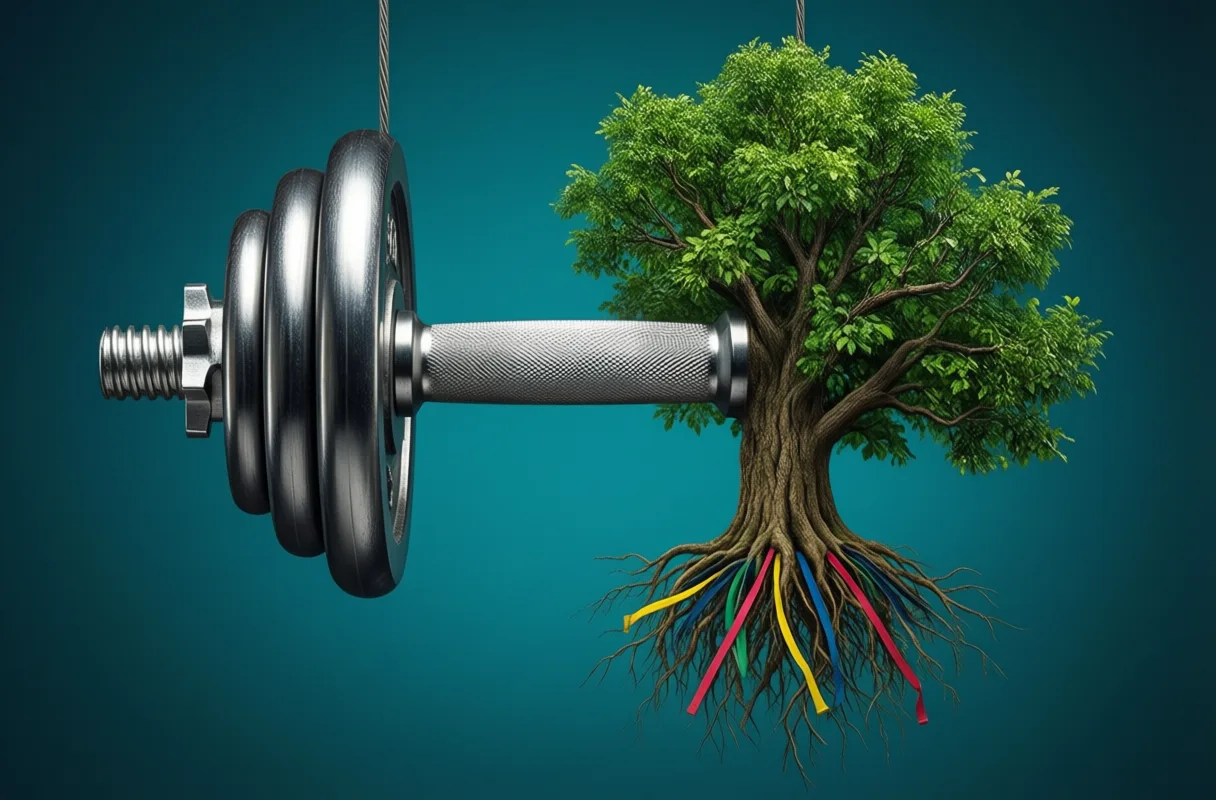
The Science Behind Building Durable Strength
Strength isn’t just about muscle size-it’s about how well your nervous system recruits muscle fibers. The body adapts to stress in predictable ways, and science confirms that Progressive overload Is the golden rule. Without gradually increasing demand, progress stalls.
Training smart means respecting recovery, form, and fatigue. Lifting heavier isn’t heroic if it sacrifices technique. In fact, poor form doesn’t build strength-it builds imbalances and injuries. The best programs layer intensity with precision, ensuring each rep moves the needle forward.
Studies show that consistency in training volume-sets, reps, load-over time leads to steady gains. It’s not about one killer workout. It’s about Repeating good ones. And that’s where online coaching shines: guiding effort without ego.
Can You Really Gain Strength Without a Gym?
You don’t need a power rack or bumper plates to build real strength. Bodyweight training, resistance bands, and minimal equipment can drive serious progress-if the program is smart. The key isn’t the tool, it’s How you use it.
Push-ups, pull-ups, and squats scale beautifully. Add elevation, tempo changes, or pauses, and they become advanced challenges. Even without weights, you can create resistance that forces adaptation. The body doesn’t care if the load comes from iron or gravity-it only cares that the demand increases.
Many men now train in garages, hotel rooms, or backyards with nothing but a pull-up bar and bands. The shift isn’t a compromise-it’s a Liberation. Strength isn’t tied to a place. It’s tied to purpose.
What the Data Says About At-Home Training
Data from fitness tracking apps shows that men who train at home often log more consistent weekly sessions than gym-goers. Without commute time or crowded locker rooms, friction drops. And when friction drops, Frequency rises.
Retention rates tell the same story: people stick with programs they can do on their schedule. The most effective workouts aren’t the hardest-they’re the ones you actually do. At-home training wins by being accessible, repeatable, and adaptable.
Tracking tools built into online platforms help men see trends over time-reps, rest periods, perceived effort. This feedback loop turns guesses into decisions. And Data-driven adjustments Beat random effort every time.

The Hidden Risks of Viral Workout Trends
Trending workouts flood social media with shredded bodies and loud music, but rarely show the recovery days, injuries, or burnout that follow. Many of these programs rely on extreme volume or unsafe loading patterns disguised as “challenges.” The goal isn’t health-it’s views.
Doing a workout because it’s popular is like buying a suit because a celebrity wore it. It might look good on camera, but How does it fit your life? Most viral routines lack progression, recovery, or individualization-three pillars of real fitness.
Men who chase trends often peak early and fade fast. The smarter play? Ignore the noise. Find a plan built on principles, not performance. Strength that lasts doesn’t trend-it Accumulates.
Building a Routine That Works Year-Round
The best fitness routine feels less like a punishment and more like a ritual. It fits your schedule, energy levels, and goals-not someone else’s highlight reel. That means flexibility in structure, not in effort.
A sustainable plan includes:
- Three to five sessions per week, balanced between strength, mobility, and conditioning
- Workouts that last 30 to 60 minutes-long enough to matter, short enough to maintain
- Built-in deload weeks to prevent fatigue from piling up
Life gets busy. The routine that survives vacations, work crunches, and bad weather is the one that Adapts without breaking.
Why Recovery Is Non-Negotiable
You don’t get stronger during the workout-you get stronger after it. Recovery is when muscles repair, nerves recalibrate, and performance improves. Skip it, and you’re not pushing hard-you’re just accumulating damage.
Sleep, nutrition, and active rest aren’t secondary to training-they’re part of it. A man who trains hard but sleeps poorly is fighting himself. Recovery isn’t weakness. It’s the other half of progress.
Smart programs schedule rest like they schedule squats. Because without it, even the best plan collapses under fatigue. The strongest men aren’t the ones who train the most-they’re the ones who Recover the best.

How Nutrition Fuels Sustainable Progress
You can’t out-train a bad diet, but you also don’t need a perfect one to make gains. What matters most is consistency in protein intake, calorie balance, and food quality over time. Think of nutrition as Fertilizer for effort.
Men who eat with purpose-planning meals, avoiding extreme restrictions-tend to build muscle and lose fat more steadily. Crash diets create drama. A balanced approach creates results. And the best part? It doesn’t require a food scale or a chef.
Hydration, meal timing, and nutrient density matter, but not as much as showing up with fuel in the tank. Eat well, stay hydrated, and keep it simple. The body responds to Repetition, not revolution.
What Most Men Overlook in Their Fitness Journey
Most men focus on what they can see-the mirror, the scale, the bench press number. But the real shifts happen beneath the surface: better sleep, sharper focus, more energy for life. Fitness isn’t just about looking better. It’s about Feeling capable.
They also overlook patience. Strength isn’t linear. Some weeks you surge. Others, you stall. That’s normal. The men who win long-term are the ones who keep going anyway. They trust that Small efforts compound.
And few consider how fitness affects everything else-confidence, relationships, work. When you feel strong, you carry yourself differently. You speak with more certainty. You don’t need to prove anything. You just Know.
The Real Measure of Long-Term Success
The real test of fitness isn’t a photo or a PR. It’s whether you’re still training a year from now. It’s whether you feel better, move easier, and handle stress with more grace. Longevity beats intensity Every time.
Men who build lasting strength don’t chase shortcuts. They embrace routines that fit their lives, evolve with their goals, and respect their limits. They’re not trying to look like someone else. They’re trying to Become more themselves.
At the end of the day, fitness isn’t about domination. It’s about discipline, care, and showing up. The strongest men aren’t the loudest. They’re the ones who keep going-quietly, consistently, and without fanfare.
Building Smarter Strength in the Digital Age
More Than Just Reps and Sets
Online fitness isn’t just about swapping a gym floor for a living room mat. Men logging into digital workout platforms often tap into programming shaped by exercise science, not just trends. Many programs use progressive overload-the gradual increase of weight, frequency, or reps-as a core principle, which research consistently shows builds muscle and strength over time. You might not need a personal trainer in the room, but the structure often follows the same logic used by pros: consistent effort, tracked progress, and smart recovery.
The Hidden Perks of Virtual Gains
Working out online can actually boost consistency. Without commute time to the gym, it’s easier to squeeze in a 20-minute session between meetings or after dinner. Some platforms use algorithms to adjust workouts based on your feedback, helping avoid plateaus. And while you won’t high-five a virtual coach, community features like shared leaderboards or comment threads create a surprising sense of accountability-turning solo sweat into shared motivation. Even form checks get a tech upgrade, with some apps using motion analysis to flag risky movements before injury strikes.
Strength That Lasts Beyond the Screen
Sustainable fitness online often emphasizes recovery as much as exertion. That means guided cooldowns, sleep tips, and mindfulness exercises built right into the workout flow. It’s not just about looking stronger; it’s about feeling it in daily life-carrying groceries, playing with kids, or tackling stairs without wind. The best digital programs treat fitness like a habit, not a sprint, encouraging small wins that add up. After all, the strongest gains aren’t always measured in pounds lifted, but in energy gained and confidence built-one smart, science-backed session at a time. Explore more stories, videos, and creators on Loaded.
Frequently Asked Questions
Can you build real strength without going to the gym?
Yes, you can build real strength without a gym using bodyweight exercises, resistance bands, and minimal equipment. The key is following a smart program that progressively increases demand on the body.
Why do quick fitness gains often fade?
Quick gains from crash diets or 30-day programs often vanish because they strip muscle, slow metabolism, and lead to burnout. Lasting strength comes from progressive improvement, not short-term max effort.
How important is recovery in building strength?
Recovery is essential-strength gains happen after workouts when muscles repair and nerves recalibrate. Skipping recovery leads to accumulated damage, not progress.
What makes online fitness programs effective for long-term results?
Online programs use science-backed methods like progressive overload, consistency in training volume, and data tracking. They also emphasize recovery, form, and adaptability to individual schedules.
This article was produced with AI assistance. How Granite Magazine uses AI.
Quinn explores the nuances of men’s fashion and personal care with a focus on timeless elegance and modern practicality. They emphasize sustainable choices, intelligent design, and the psychology behind how men present themselves in evolving social landscapes.