

7 Top Workout Routines Spotlighted on This Month’s Cover
When the new men's Fitness magazine Cover landed on newsstands last week, gym bags across the country seemed to grow heavier. It wasn’t the glossy photo of sculpted abs or the bold tagline that caught attention-it was the promise tucked beneath the surface: Real routines, real results, no fluff. And this month, they delivered.
The cover lineup isn’t chasing trends. Instead, it highlights seven time-tested approaches that have quietly powered transformations in locker rooms, garages, and high-end studios for years. These aren’t the flashy, 30-day miracle plans that vanish by April. They’re the ones men actually stick with-and improve on-over time.
From Full-body resistance Circuits to precision-focused strength blocks, the routines vary in style but share a common thread: They prioritize movement quality over volume, and consistency over intensity. Whether you're lifting in a $200,000 home gym or using a rusted barbell in your driveway, these methods adapt. That’s their power.
Here’s what made the cut:
- The Compound Catalyst – A three-day split built around squats, deadlifts, and bench presses, emphasizing progressive overload.
- The Minimalist Mile – A hybrid of sprint intervals and bodyweight drills, perfect for tight schedules.
- The Mobility Matrix – A prehab-focused sequence blending yoga-inspired flows with resistance band activation.
- The Powerbuilder Block – A four-week cycle alternating heavy lifts with explosive plyometrics.
- The Urban Athlete Routine – Street-style calisthenics with park bench dips, stair sprints, and towel rows.
- The Hybrid Hypertrophy Plan – Combines traditional weight training with isometric holds to boost muscle density.
- The Recovery-First Flow – A low-load, high-frequency approach designed to maintain fitness during injury or travel.
What’s striking isn’t the complexity-it’s the clarity. Each routine respects the reality that most men aren’t professional athletes. They’re entrepreneurs, fathers, creatives, and execs who need workouts that fit Around Life, not the other way around.
And that’s exactly why these routines made the cover.
What’s Behind the Hype: Inside the New Fitness Feature
Flip past the cover, and you’ll find something rare in men’s Fitness media: honesty. The feature doesn’t start with shredded physiques or protein shake recipes. It opens with a photo of a 42-year-old software engineer in sweat-stained gym shorts, mid-deadlift, face red, hands chalked, back flat. No filters. No posing. Just effort.
That image sets the tone for what follows-a deep dive into how real men train when no one’s watching. The article profiles seven everyday guys, each using one of the spotlighted routines. One runs a boutique coffee chain and trains at 5 a.m. Before staff arrive. Another, a freelance cinematographer, does bodyweight circuits between shoots on location.
The message is clear: Fitness isn’t about perfection-it’s about showing up. The routines work not because they’re revolutionary, but because they’re repeatable. They account for fatigue, time crunches, and the occasional missed session without collapsing Like A house of cards.
Interviews reveal a pattern. Most of these men didn’t start strong. Some began with back pain, others with zero gym experience. But each found a routine that felt sustainable-something they could stick with even when motivation dipped. And over time, the results compounded.
The feature also calls out a quiet shift in men’s fitness culture. It’s moving away from the “grind at all costs” mentality and toward a more balanced, self-aware approach. The cover still shows chiseled physiques, yes-but the stories behind them are about resilience, not just reps.
This isn’t just marketing. It’s a reflection of what modern men actually want: A fitness life that enhances their identity, not consumes it.
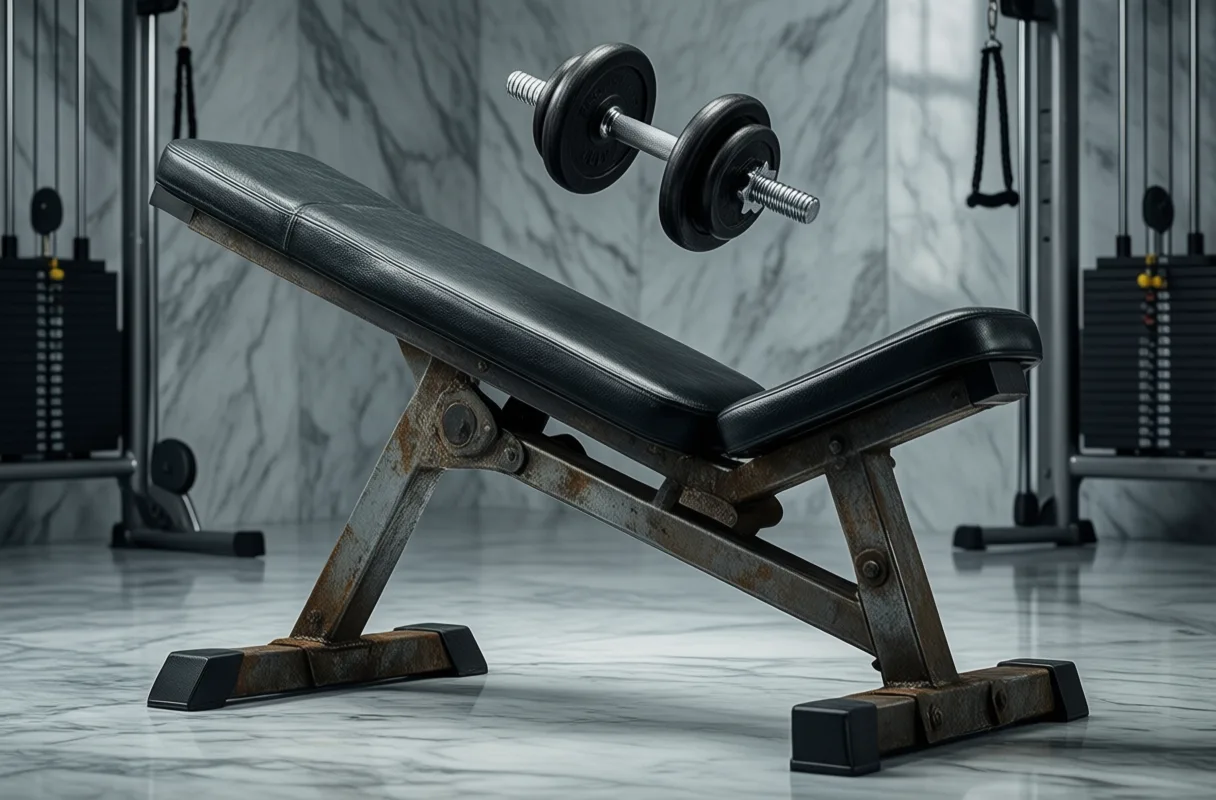
Why Strength Still Dominates the Spotlight
Let’s be real-no matter how many trendy workouts come and go, lifting heavy things still rules the gym. And this month’s men's fitness magazine cover proves it. Four of the seven featured routines are rooted in strength training, not because they look cool, but because they Work.
There’s something primal about pushing, pulling, and squatting heavy weight. It’s not just about muscle size. It’s about confidence, bone density, joint stability, and metabolic health. Men who train with resistance tend to sleep better, think clearer, and carry themselves differently-like they know they can handle more.
Strength training builds more than muscle-it builds resilience. That’s why it remains the backbone of most serious fitness plans, even as functional training and cardio hybrids gain ground. You can’t fake a heavy deadlift. There’s no shortcut. You either move the weight or you don’t.
And that honesty appeals to ambitious men. In a world full of performance metrics and digital noise, lifting offers a rare form of truth. The bar doesn’t care about your title, your net worth, or your Instagram following. It only responds to effort.
The routines on the cover reflect this. They don’t shy away from heavy loads. But they also don’t glorify suffering. Instead, they emphasize smart progression-adding five pounds when form is solid, resting when the body signals fatigue, and tracking progress beyond the mirror.
One profiled firefighter uses a modified powerlifting split to stay mission-ready. A startup founder swears by deadlifts to manage stress. A college professor credits squats with fixing his chronic back pain. Their stories aren’t about aesthetics. They’re about capability.
In a culture that often equates fitness with appearance, it’s refreshing to see strength celebrated for what it truly is: A foundation for a powerful life.
The Hidden Value of Simplicity in Modern Training
Scroll through any fitness app, and you’ll find workouts with names like “Neural Ignition Blast” or “Metabolic Torcher 3000.” They sound intense. They sound scientific. But do they work? Often, not as well as a basic push-pull routine done consistently.
This month’s feature quietly champions a counter-movement: The power of simple, repeatable training. One of the most effective routines on the cover? A three-day full-body plan using just five exercises. No gimmicks. No obscure equipment. Just barbells, dumbbells, and effort.
Simplicity doesn’t mean easy. It means focused. When your workout has fewer moving parts, you can pour more energy into each rep. You can track progress clearly. You can show up tired or stressed and still get it done.
Take the “Minimalist Mile” routine. It’s 25 minutes, three times a week, combining short sprints with bodyweight strength moves. No machines. No classes. No subscription. Yet the men using it report better endurance, sharper focus, and faster fat loss than during their previous high-volume phases.
There’s a psychological edge, too. Complicated routines demand mental bandwidth. You have to remember supersets, tempo changes, rest intervals. That’s fine when you’re fresh. But when life gets busy, simple wins.
One entrepreneur said he stuck with the minimalist plan during a cross-country move and a product launch-times when he’d normally quit training altogether. “It was short, it was hard, and I didn’t have to think,” he said. “That’s why it worked.”
In a world obsessed with optimization, the real advantage might not be the most advanced program-but the one you actually do.
Could This Be the Future of Functional Fitness?
Functional fitness has been a buzzword for years. But what does it actually mean? Is it climbing ropes? Carrying sandbags? Doing squats on a Bosu ball? The cover feature cuts through the noise and redefines it: Functional fitness is any routine that improves your ability to live well.
One of the most compelling routines on the list is the “Urban Athlete” plan. It’s built for city dwellers who don’t have time for long gym sessions. Think stair sprints, park bench step-ups, towel-assisted rows under a doorframe, and backpack-loaded walks.
It’s not flashy. But it builds real-world strength-the kind that helps you carry groceries up four flights, wrestle a suitcase into an overhead bin, or keep up with your kids at the park. That’s functional. That’s useful.
Another routine, the “Mobility Matrix,” blends dynamic stretching with light resistance to improve joint health and movement efficiency. No heavy lifting. No heart-pounding intervals. But users report fewer aches, better posture, and more fluid movement in daily life.
The future of functional fitness isn’t about mimicking sports moves or doing circus tricks. It’s about Training for life’s unpredictability. Can you lift, carry, twist, and move without pain? Can you recover quickly from a long day? Can you adapt when plans change?
These routines suggest that functional fitness is evolving-from performance theater to practical empowerment. And that shift is long overdue.

How Recovery Fits Into the Equation
Here’s a secret the cover doesn’t scream: The most important part of any workout happens when you’re not working out. Recovery isn’t a bonus. It’s the engine of progress.
The feature quietly emphasizes this by including a recovery-first routine-one that looks almost too easy. Light bands, slow movements, breathing drills. No sweat. No burn. But the men using it say it’s transformed their training.
One said he used to pride himself on never missing a workout. Then he got injured. Now, he trains four days a week and does active recovery on the other three. His strength has increased, his energy is higher, and he hasn’t had a setback in 18 months.
Recovery isn’t just rest. It’s sleep, nutrition, hydration, and stress management. But it’s also training smart-knowing when to push and when to pull back. The best routines on the cover don’t demand six days a week. They’re designed for sustainability.
One profiled man, a touring musician, uses short recovery sessions on tour buses and in hotel rooms. “It keeps my body ready,” he said. “I’m not building muscle then, but I’m not losing it either.”
The message is clear: You don’t get stronger in the gym-you get stronger after. And the most advanced fitness plans now treat recovery as a core component, not an afterthought.
What the Pros Know That You Don’t
You’ve seen the physiques. The flawless form. The effortless strength. But what do elite trainers and high-performing athletes actually do differently? The cover feature pulls back the curtain.
It’s not the exercises. It’s not the supplements. It’s Their relationship with consistency. Pros don’t rely on motivation. They rely on systems.
One trainer featured uses the same basic split for years-slight tweaks, but the structure stays. Why? Because he knows that small, steady improvements compound. He’s not chasing a new routine every month. He’s mastering the one he has.
Another pro athlete admitted he rarely trains to failure. “I leave one rep in the tank, every time,” he said. “That way, I can come back tomorrow.” That discipline-knowing when to stop-is what separates pros from amateurs.
They also prioritize movement quality over ego. No bouncing out of the bottom of a squat. No heaving a barbell with bad form. They train with precision, not recklessness.
And they schedule recovery like meetings. No skipping. No “I’ll do it later.” It’s non-negotiable.
The truth? Most men overcomplicate fitness. The pros keep it simple, repeatable, and sustainable. That’s their edge.

The Truth About Time Efficiency in Muscle Building
Let’s settle this: you don’t need two-hour workouts to build muscle. In fact, the most effective routines on the cover clock in at 30 to 45 minutes.
High volume isn’t the key. Frequency, intensity, and recovery are. You can build serious strength with three focused sessions a week-if each one counts.
One routine uses a “density training” model: same exercises, same reps, less time each week. The goal isn’t to add weight, but to complete the workout faster with perfect form. It builds endurance, strength, and mental toughness.
Another uses supersets to cut rest time without cutting effort. Push press into bent-over row. Squat into plank. Minimal downtime, maximum output.
And here’s the kicker: the men using these time-efficient plans report better adherence. They’re more likely to stick with it because it fits. No gym all day. No sacrificing family time.
Shorter workouts aren’t lazy-they’re strategic. And in a world where time is the ultimate luxury, that’s a win.
What the Cover Doesn’t Tell You About Consistency
That chiseled guy on the men's fitness magazine cover? He missed workouts. He got sick. He traveled. He had weeks where he barely made it to the gym.
But he kept going.
The routines work only if you do them-not once, not for 30 days, but over months and years. Consistency beats intensity every time.
The feature doesn’t hide the grind. It shows it. One man gained 18 pounds of muscle over two years-not six weeks. Another dropped body fat slowly, through small daily choices.
There’s no magic. No secret supplement. Just showing up, even when it’s hard.
And that’s the real story behind every transformation.
Final Reps: Taking the Routine Off the Page and Into Your Gym
So you’ve read the feature. You’ve picked a routine. Now what?
Start small. Don’t overhaul your life overnight. Pick one workout. Do it this week. Then next week. Track how you feel-not just how you look.
The best routine is the one you can stick with. Not the one that impresses your gym buddy. Not the one with the coolest name. The one that fits your life.
These routines aren’t about perfection. They’re about progress. About feeling stronger, moving better, showing up as the kind of man who follows through.
So chalk your hands, lace up your shoes, and take the first rep.
The rest will follow.
| Routine Name | Training Focus | Time Commitment | Key Feature |
|---|---|---|---|
| The Compound Catalyst | Strength and progressive overload | 3 days/week | Built around squats, deadlifts, bench presses |
| The Minimalist Mile | Hybrid cardio and bodyweight | 25 minutes, 3x/week | Perfect for tight schedules, no equipment needed |
| The Mobility Matrix | Prehab and joint health | Daily or frequent | Yoga-inspired flows with resistance bands |
| The Powerbuilder Block | Strength and explosiveness | 4-week cycle | Alternates heavy lifts with plyometrics |
| The Urban Athlete Routine | Street-style calisthenics | Flexible | Uses park benches, stairs, towels for rows |
| The Hybrid Hypertrophy Plan | Muscle density | Traditional + isometric holds | Combines weight training with static holds |
| The Recovery-First Flow | Active recovery | High frequency, low load | Maintains fitness during injury or travel |
What’s Behind the Cover?
Magazine covers have long been a snapshot of fitness culture, and men’s fitness titles are no exception. The cover isn’t just about who’s on it-though chiseled physiques and celebrity trainers often grab attention-it’s a carefully curated promise of what’s inside. From the 1980s heyday of bodybuilding icons to today’s emphasis on functional fitness and mental wellness, the evolution of the cover mirrors how men’s health priorities have shifted over decades.
More Than Just Muscles
Early fitness covers leaned heavily on bodybuilders with extreme definition, setting a standard that felt out of reach for many. Over time, covers began featuring athletes, actors, and everyday guys with more relatable physiques, reflecting a broader definition of health. Some issues have even gone coverless or used bold typography instead, making a statement about moving beyond appearance. Fun fact: certain covers featuring major celebrities have seen newsstand sales spike by as much as 30%, proving the power of star appeal in the fitness world.
Cover Gags and Hidden Messages
Collectors and longtime readers often spot playful easter eggs on covers-like a trainer subtly holding a dumbbell shaped like a number one or a model wearing a shirt with a gym pun. These small touches add personality and give fans something to look for beyond the workout tips. Even the color schemes follow trends: red and black dominate for intensity, while recent years have seen more natural tones to align with wellness and mindfulness themes. The cover, it turns out, is as much a part of the workout routine as the routines themselves-pulling you in, motivating the flip of the page, and starting the fitness journey before you even hit the gym. Explore more stories, videos, and creators on Loaded.
Frequently Asked Questions
What are the top workout routines featured on the Men's Fitness Magazine cover?
The seven routines are: The Compound Catalyst, The Minimalist Mile, The Mobility Matrix, The Powerbuilder Block, The Urban Athlete Routine, The Hybrid Hypertrophy Plan, and The Recovery-First Flow.
How long do the most effective workouts on the cover typically last?
The most effective routines range from 30 to 45 minutes. They emphasize frequency, intensity, and recovery over long training sessions.
Why is recovery important in these fitness routines?
Recovery allows the body to adapt and grow stronger. Several routines include active recovery, and progress happens after workouts, not during them.
Are these workout routines suitable for beginners or only advanced lifters?
The routines are designed for sustainability and adaptability. Many users started with no gym experience or physical limitations and found success through consistency.
This article was produced with AI assistance. How Granite Magazine uses AI.
Rhea examines the intersection of professional ambition and cultural identity, spotlighting how modern men navigate purpose, ethics, and growth. Her work blends narrative depth with sociological insight across industries and life stages.