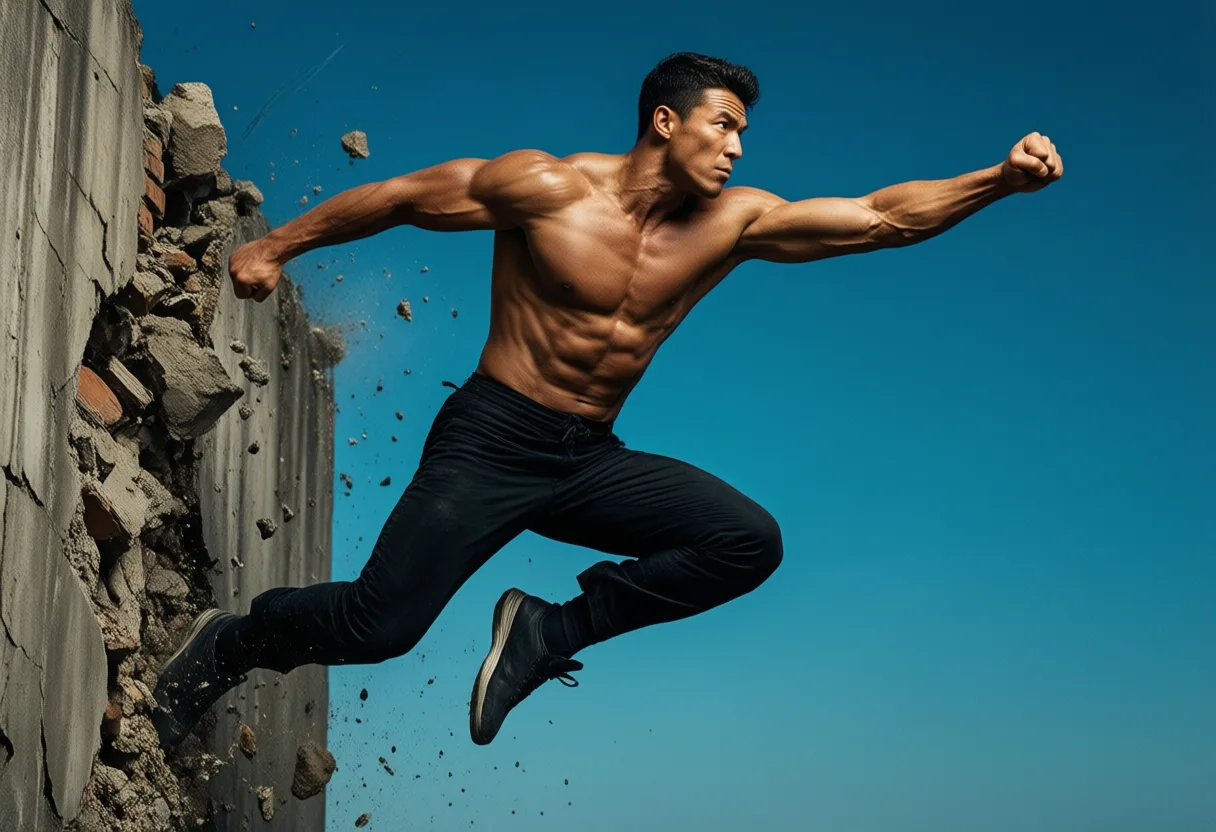
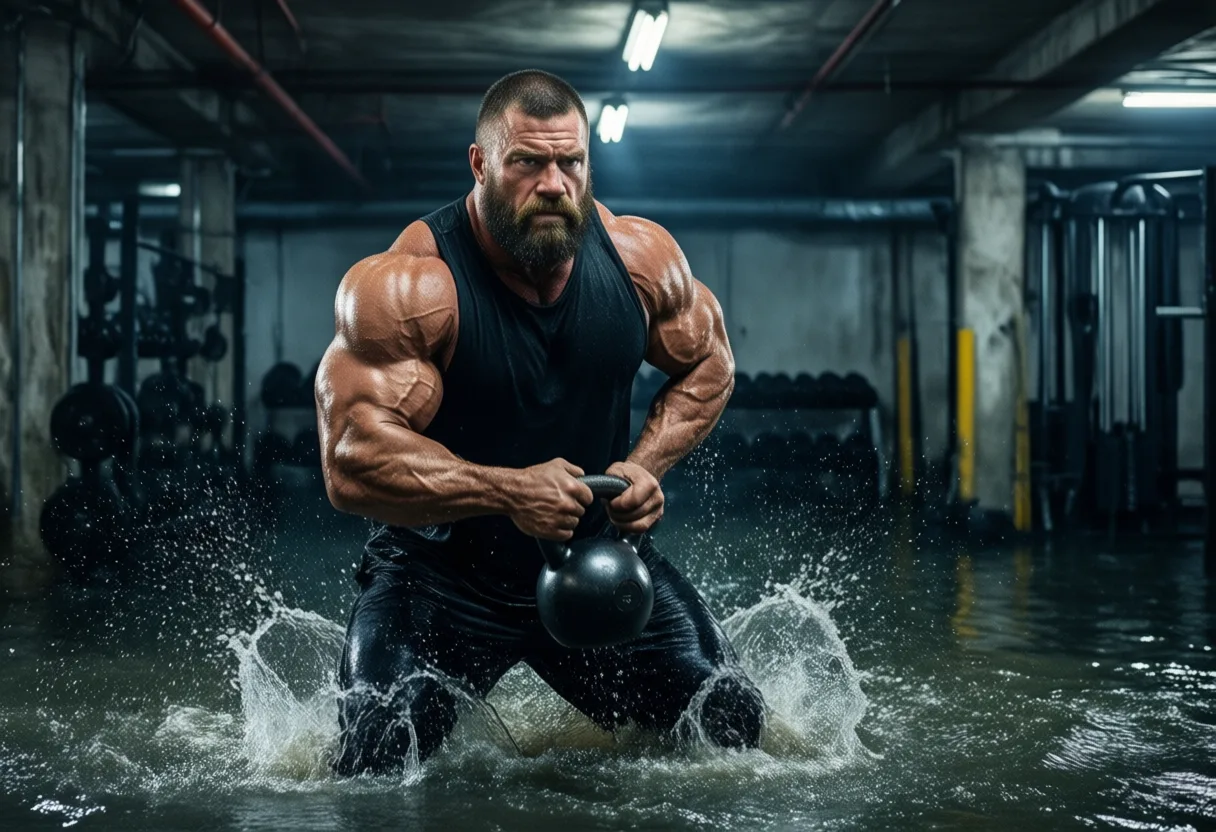
It started in a dimly lit garage gym in Austin, where a guy named Derek-six-foot-one, 210 pounds of Lean muscle-dropped a 405-pound barbell and let out a roar that scared the neighbor’s dog. No crowd. No judges. Just chalk, iron, and the kind of quiet obsession that builds champions. Across the country, in basements, warehouses, and high-end training facilities, men are pushing their bodies to extremes not just to look good, but to prove something-often just to themselves.
What began as a niche subculture of bodybuilders and powerlifters has evolved into a full-blown movement where Strength And conditioning are no longer just training methods-they’re a lifestyle. And nowhere is that more evident than in the growing world of men’s fitness competitions, where raw power, endurance, and discipline are tested under bright lights and loud crowds.
The Rise of the Modern Fitness Athlete
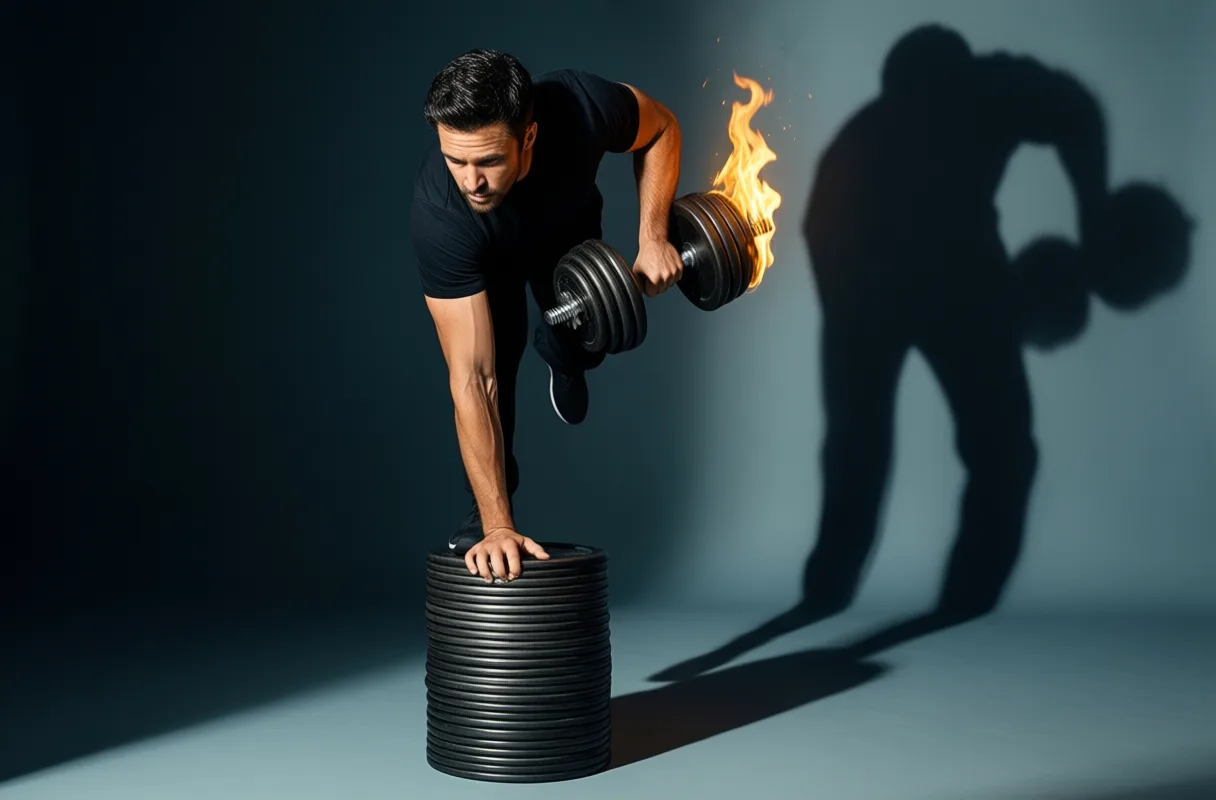
Gone are the days when lifting heavy was just for show. Today’s top male athletes train with the precision of engineers and the Grit Of warriors. They’re not just chasing bigger biceps or a six-pack-they’re chasing Functional dominance, the kind that translates to real-world power and presence.
These competitions aren’t about posing in tiny shorts under fluorescent lights-though some still do that. Now, it’s more about dropping 500 pounds on a deadlift, finishing a 200-meter sled push in under a minute, or completing a 10-round circuit without puking. The new standard? Can you perform when it hurts?
Training has shifted from pure aesthetics to Measurable output. Think reps, times, distances, and loads. Coaches now treat the body like a high-performance machine-tuned, monitored, and pushed to the edge. Recovery is as sacred as the workout. Ice baths, red light therapy, and mobility routines are standard, not luxuries.
- Workouts last 60 to 90 minutes, five to six days a week
- Nutrition plans are strict, often revolving around lean proteins, complex carbs, and strategic fasting
- Sleep is non-negotiable-most top competitors log 8+ hours without fail
The best aren’t just strong-they’re consistent. And consistency, more than any single lift, is what separates contenders from also-rans.
What These Competitions Actually Test
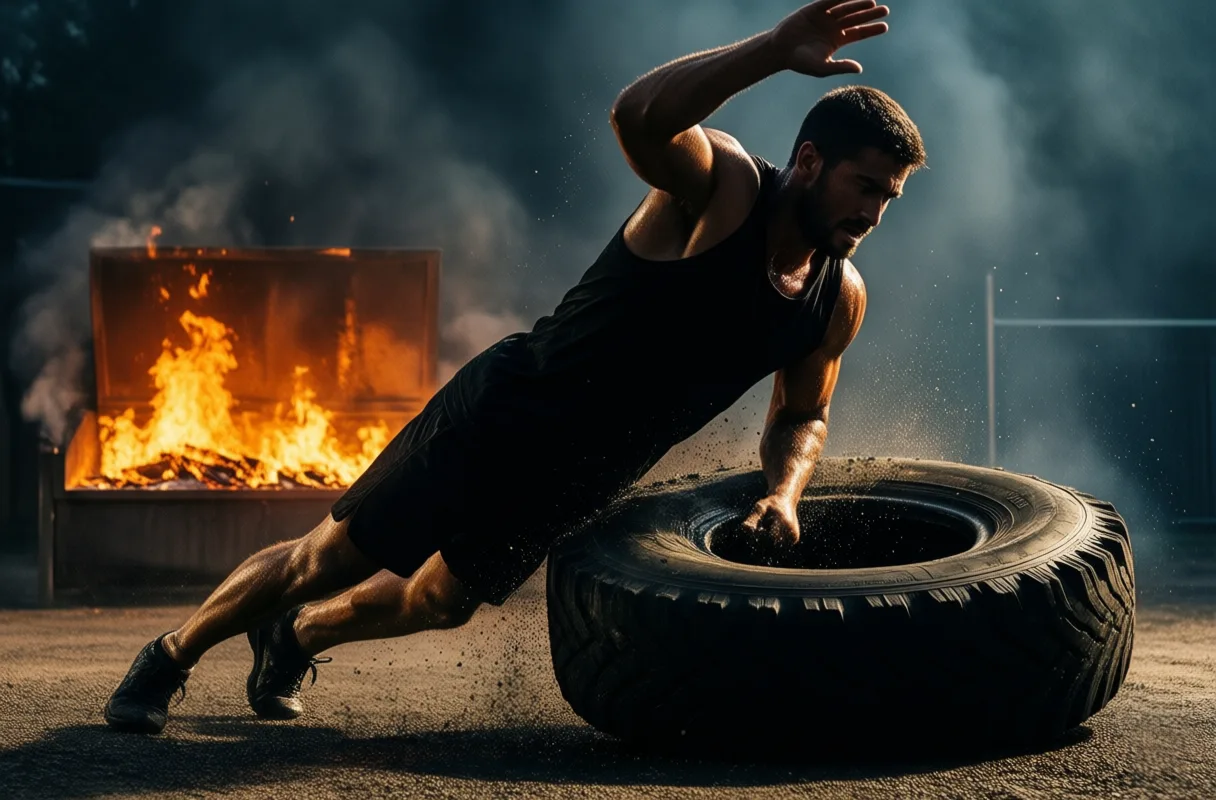
Judges don’t care how many selfies you’ve taken in the mirror. They care about Execution under pressure. In most modern formats, athletes rotate through timed events that blend strength, speed, and stamina. One minute you’re flipping a 300-pound tire, the next you’re doing pull-ups with a 45-pound plate strapped to your waist.
Common events include:
- Max effort deadlifts or back squats
- Weighted carries over 50 to 100 feet
- High-volume calisthenics under time caps
- Sprints with resistance
There’s no room for ego. A guy who can bench 400 pounds but can’t run 400 meters without gasping isn’t going to win. Balance is king. The ideal competitor moves well, recovers fast, and stays calm when the clock starts.
And unlike old-school bodybuilding, where symmetry and definition ruled, today’s winners look like special forces operatives-lean, explosive, and built for action. Judges look for Athletic proportion, not just size. A 24-inch arm doesn’t matter if your lungs give out at minute three.

Why This Matters Beyond the Stage
You don’t have to step on a podium to benefit from this mindset. The training philosophies behind these competitions are filtering into everyday gyms, apps, and home workouts. Men everywhere are trading endless curls for Compound lifts and heart-pounding circuits.
This isn’t just about looking better in a suit or turning heads at the bar. It’s about Confidence rooted in capability. When you know you can carry a couch up three flights of stairs without breaking a sweat, or help a friend move without calling for backup, something shifts. You carry yourself differently.
The best part? You don’t need a six-figure sponsorship or a stage-ready tan to play. Start with bodyweight drills. Add a sandbag. Learn to sprint, lift, and breathe under load. The gym becomes a classroom, and every rep is a lesson in resilience.
These competitions aren’t just spectacles-they’re blueprints. They show what’s possible when men stop chasing shortcuts and start embracing the grind. And for those paying attention, the message is clear: Strength isn’t just measured in pounds. It’s measured in will.
| Event | Description |
|---|---|
| Max effort deadlifts or back squats | Lift the heaviest weight possible |
| Weighted carries | Carry heavy loads 50 to 100 feet |
| High-volume calisthenics | Complete reps under time limits |
| Sprints with resistance | Run fast while pulling or pushing weight |
| Tire flips | Flip a 300-pound tire repeatedly |
| Weighted pull-ups | Perform pull-ups with 45-pound plate |
More Than Just Muscles
Judging Isn't Just About Size
Men’s fitness competitions go way beyond who can flex the biggest biceps. In physique divisions, symmetry and proportion matter just as much as muscle mass-judges look for a balanced, aesthetic look, not just raw size. Competitors often spend years refining their shape, aiming for that V-taper from broad shoulders to a narrow waist, which creates a striking visual even before they hit a pose.
Posing is a Skill-And a Secret Weapon
You might think lifting heavy is the hardest part, but mastering the posing routine is its own challenge. Athletes rehearse precise movements for weeks, syncing their poses to music in bodybuilding and physique categories. A well-timed turn or dramatic flex can highlight muscle definition and catch a judge’s eye, turning a good physique into a winning one. It’s performance art powered by protein and persistence.
The Diet Game Is Real-And Extreme
Prep for these events means strict dieting that can last months. Competitors often eat the same lean proteins and complex carbs, meal after meal, day after day, to get stage-ready. Some drop to body fat percentages lower than elite marathon runners-think 3% to 5%-which can affect energy, mood, and even basic body functions. All that control pays off under the lights, where every muscle fiber needs to be visible. Explore more stories, videos, and creators on Loaded.
Frequently Asked Questions
What do modern men's fitness competitions focus on?
Modern men's fitness competitions focus on strength, conditioning, endurance, and discipline. They test functional dominance through events like heavy lifts, timed sprints, and high-volume calisthenics.
How do today's fitness competitions differ from traditional bodybuilding?
Unlike traditional bodybuilding, which emphasizes symmetry and definition, modern competitions prioritize performance under pressure. Athletes are judged on execution in events like deadlifts, sled pushes, and weighted carries.
What kind of training do competitors follow?
Competitors train five to six days a week for 60 to 90 minutes. They focus on compound lifts, recovery routines, strict nutrition, and sleep. Ice baths, red light therapy, and mobility work are standard.
What physical traits do judges look for in competitors?
Judges look for athletic proportion, not just size. Competitors should move well, recover quickly, and stay calm under pressure. A balanced, lean, and explosive build is ideal.
This article was produced with AI assistance. How Granite Magazine uses AI.
Rhea examines the intersection of professional ambition and cultural identity, spotlighting how modern men navigate purpose, ethics, and growth. Her work blends narrative depth with sociological insight across industries and life stages.