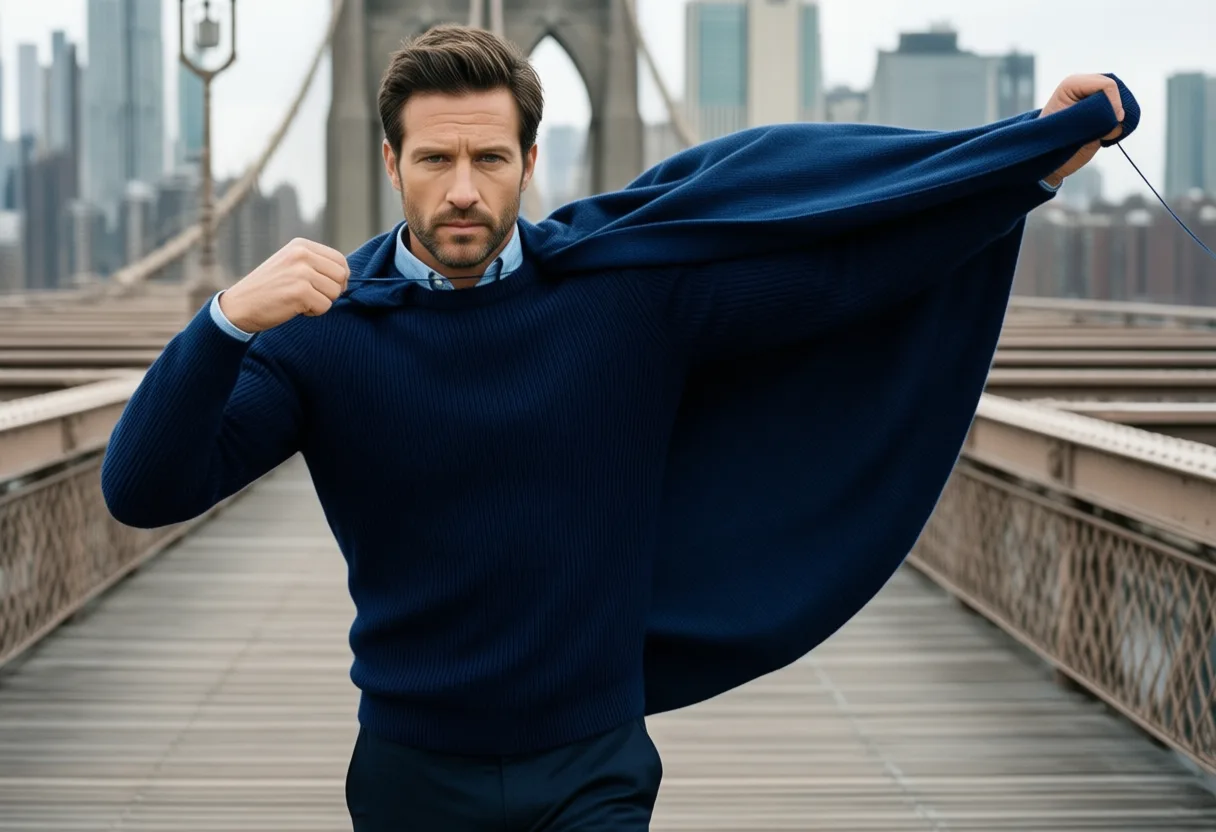
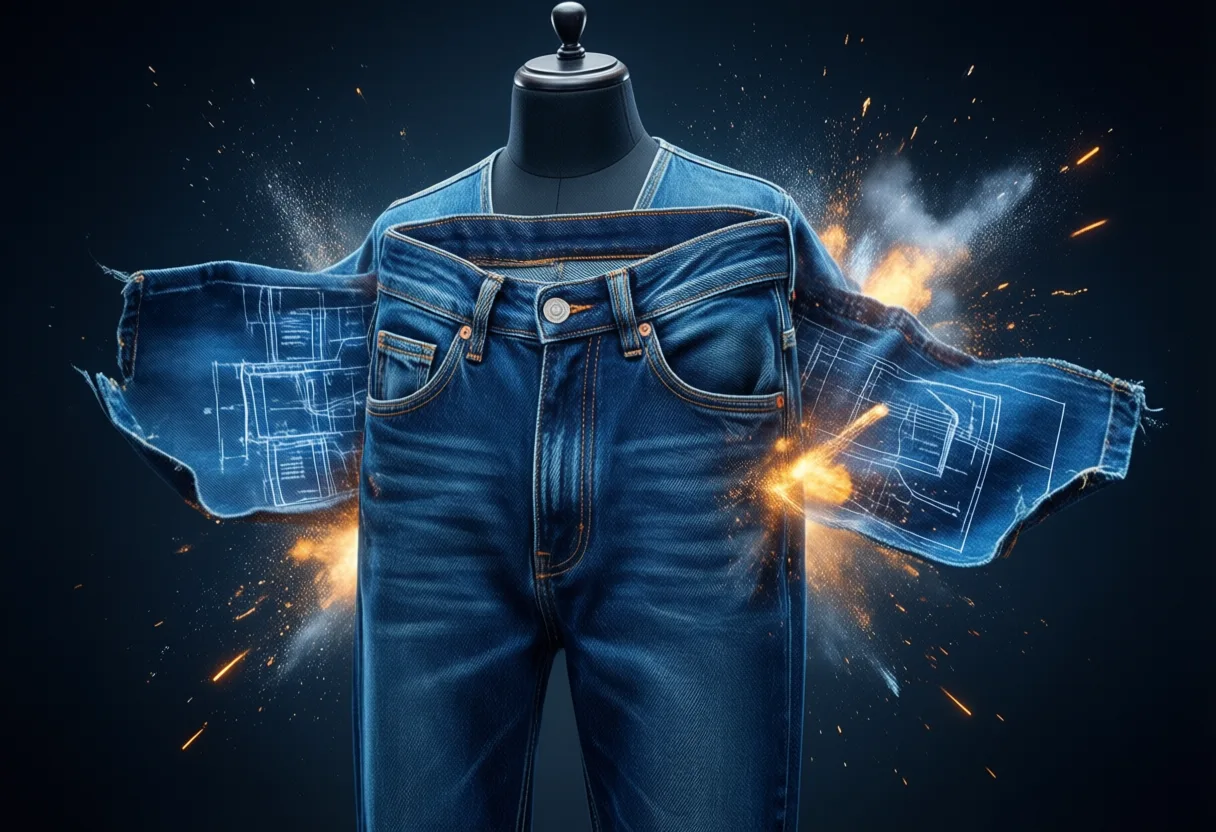
Jeans should feel like a second skin-snug where it counts, free where it needs to move. But most guys walk into a store, grab a pair off the rack, and wonder why they’re hiking them up all day or swimming in Fabric. The truth? Fit isn’t luck. It’s design, anatomy, and a little bit of swagger all stitched together.
Why Jeans Feel Different on Every Man
Your body isn’t a mannequin. It’s built with quirks-longer legs, broader hips, a tighter waist. That’s why one guy can rock slim jeans like they were poured on, while another looks like he’s borrowing his brother’s. Denim doesn’t lie, but it also doesn’t adapt. It holds its shape, and if that shape doesn’t match yours, you’re fighting gravity by lunchtime.
Some guys have a high rise in the back. Others carry weight in the thighs. A few are built like sprinters-compact and explosive. Jeans cut for one build feel restrictive on another. That’s not a flaw in you. It’s a mismatch in design. The best fit starts with knowing your blueprint, not the label on the tag.
Think of jeans Like shoes. You wouldn’t wear a size 9 if you’re a 10. So why squeeze into a “skinny” cut if your quads could crack walnuts? Comfort starts with space where you need it. Restriction kills style every time. Move in them. Bend. Sit. Walk across a room. If you feel like you’re in a straightjacket, it’s not you-it’s the cut.

The Hidden Language of Cuts and Silhouettes
Jeans come with names like “slim,” “straight,” “relaxed,” and “tapered.” But these aren’t just marketing fluff-they’re blueprints for how the fabric flows from hip to ankle. Each cut speaks a different dialect of fit. Learn the lingo, and you’ll stop guessing.
- Slim fit Hugs the leg from thigh to ankle. It’s tight but not suffocating-if you’ve got lean legs, this one’s a weapon.
- Straight fit Runs consistent from hip to hem. More room in the thigh, less drama at the ankle. A go-to for average builds.
- Relaxed fit Gives you breathing room in the seat and thigh. Built for movement, not tight club lights.
- Tapered Starts roomy up top and narrows at the calf. Best for guys who want space to move but don’t want to look like they’re wearing a bag.
The real trick? These cuts don’t just change how jeans look-they change how you move. A tapered jean with a flexible blend can look sharp and still let you climb stairs without a wardrobe malfunction. A stiff relaxed pair? Might make you waddle like a cowboy who’s been on a horse for three days.
And don’t sleep on the rise-the distance from crotch to waistband. Low rise sits under the hip bones. Mid rise hits at the belly button. High rise? Up near the ribs. Most guys do best with mid to high. It supports your back, stops the plumber’s crack, and keeps things secure when you’re leaning over.
How Fit Shapes Both Comfort and Confidence
You can Wear The most expensive jeans in the world, but if they’re pinching your thighs or sagging in the seat, you’ll walk like you’re self-conscious. Comfort isn’t just physical-it’s psychological. When your clothes move with you, you stand taller. You own the room.
Ever notice how some guys just Look Put together, even in jeans and a tee? It’s not the brand. It’s the drape. The way the fabric falls clean from the hip. The way the ankle breaks just right over the shoe. That’s fit doing the heavy lifting.
Bad fit does the opposite. It distracts. You’re thinking about your waistband digging in, or adjusting your crotch every time you sit down. That’s not confidence. That’s damage control. And women notice. Not because they’re judging your jeans, but because they feel the energy. A guy who’s at ease in his clothes radiates calm. One who’s fighting his pants? Sends a different signal.
Fit isn’t about being skinny or ripped. It’s about proportion. A guy with a bigger gut can look sharp in a well-cut straight leg with a sturdy waistband. A lean guy can look lost in baggy denim. It’s not size. It’s silhouette. And when it clicks, you stop thinking about your clothes-and start owning them.
What Your Waistband Isn’t Telling You
That number on the tag? It’s a suggestion, not a law. Two pairs of 32-inch jeans can fit completely different depending on the brand, fabric, and cut. Your waist isn’t lying. The label might be. Denim stretches. It shrinks. It molds-or doesn’t-based on cotton content, elastane blend, and how much you’ve eaten for lunch.
Some jeans ride up when you walk. Others slide down like they’re trying to escape. That’s not you failing the jeans. It’s the waistband failing you. A good one stays put without choking you. It grips without digging. And it should sit flush-no gaps in the back, no muffin top spilling over the front.
Stretch denim changed the game. A little elastane-2%, 3%, sometimes 5%-adds give without sacrificing shape. It lets you move, sit, and twist without feeling like you’re in a compression wrap. But too much stretch, and the jeans lose structure by 3 p.m. They bag out. Sag. Turn into pajamas.
The sweet spot? A blend that holds its form but breathes with you. Think of it like a good relationship-firm when it needs to be, flexible when it counts. And always, Always Try them on standing And Sitting. If they pinch when you’re in a chair, they’ll torture you by happy hour.

The Gap Between Denim Labels and Real Bodies
Retailers design jeans for averages. But real men aren’t averages. We’ve got one leg longer than the other. Hips that sit differently. Some of us sit at desks all day-our glutes flat from disuse. Others are built like tanks from deadlifts and sprints. The gap isn’t in your body. It’s in the system.
That’s why off-the-rack jeans often need tweaks. A tailor isn’t a luxury. It’s a power move. Hemming for the right break. Taking in the waist. Adjusting the seat. Ten minutes with a needle and thread can turn “meh” into “damn.”
And let’s talk about vanity sizing. Some brands inflate sizes to make you feel smaller. A 34 in one brand fits like a 32 in another. It’s not you getting thinner. It’s marketing playing mind games. The only number that matters is how it feels when you move.
Your body changes. Weight shifts. Muscle builds. Jeans that fit last year might not fit now. And that’s okay. Stop chasing a number. Chase the fit. A pair that makes you feel strong, sharp, and unbothered? That’s the goal. Not a label. Not a trend. Just you, in clothes that work.
Beyond the Mirror: Choosing What Works in Motion
You don’t live in front of a mirror. You live in motion-walking to your car, leaning into the fridge, chasing your dog, or dancing at a wedding. The real test of a jean isn’t how it looks standing still. It’s how it feels when you’re Doing Something.
Try this: put on a pair and go through your day. Sit in your car. Climb stairs. Reach for something high. Do a fake squat. If you’re tugging, adjusting, or feeling resistance, it’s not the right fit. A good pair moves like it’s part of you.
Stiff denim looks cool in photos but fails in real life. It cracks at the knees. Resists bends. Makes you walk like you’ve got a board strapped to your legs. Flexible denim? Lets you lunge, pivot, and pivot again. It molds over time. Becomes yours.
And pay attention to the back pockets. Too low, and they stretch when you sit. Too small, and your phone slips out. Too tight, and they cut into your cheeks like a bad hug. They should sit flush, hold your gear, and disappear when you’re moving.
Small Details That Define an All-Day Wear
Fit isn’t just about cut and stretch. It’s in the details-the kind most guys ignore until they’re annoyed. A five-star jean isn’t just about silhouette. It’s about the little things that keep you comfortable from sunrise to last call.
- Button fly vs. Zipper: Button flies feel more secure. Zipper flies are faster. But a bad zipper can ruin your day. Look for reinforced stitching and a smooth pull.
- Pocket depth: Shallow pockets make your phone feel like it’s about to fall out. Deep pockets keep things locked in-even when you’re moving fast.
- Hem width: Too wide, and they bunch over your shoes. Too narrow, and they look pinched. A clean break at the ankle? That’s the gold standard.
- Back belt loops: Some jeans have seven. Some have five. More loops distribute weight better and stop the waistband from tilting when you move.
And don’t sleep on the fabric weight. Lightweight denim breathes better in summer. Heavyweight (12 oz and up) holds shape, resists tears, and ages like a fine whiskey. It fades where you bend. Tells your story.
The best jeans don’t scream. They whisper. They don’t need logos. They don’t need patches. They just Work. And when they do, you forget you’re wearing them-which is exactly the point.
Style That Moves With You, Not Against You
Great style isn’t about chasing trends. It’s about finding what fits Your Life. A guy in construction needs different denim than a guy in a boardroom. One needs durability. The other needs polish. But both need freedom. Style fails when it fights function.
Your jeans should help you, not hurt you. They should let you reach, bend, and move without a second thought. Whether you’re lifting a barbell, lifting a kid, or just lifting a beer, the right pair disappears into the background-and lets You Take center stage.
Forget what the influencers say. Forget the “must-have” list. Your body, your life, your rules. Try things. Mix cuts. Break the “rules” if it feels right. Fashion is personal. Not dogma.
At the end of the day, the best fit is the one that makes you feel like You-only sharper, stronger, and totally unbothered. That’s not luck. That’s knowing your body, respecting your movement, and choosing denim that keeps up. Not the other way around.
| Fit Type | Thigh Room | Leg Opening | Best For |
|---|---|---|---|
| Slim | Snug | Narrow | Lean legs, clean drape |
| Straight | Moderate | Consistent | Average builds, versatility |
| Relaxed | Generous | Wide | Freedom of movement |
| Tapered | Roomy | Narrow | Mobility with tailored look |
The Right Fit: Why Jeans Matter Beyond Looks
How Your Denim Shape Shapes Your Day
Jeans aren’t just fabric stitched together-they’re built with specific cuts that affect how you move, sit, and even stand for long stretches. Take the classic straight fit: it’s been a go-to for decades because it balances room through the thigh without flaring too wide at the leg opening, making it easy to pair with boots or sneakers while staying comfortable during daily wear. Back in the day, workers on railroads and farms wore sturdy denim with relaxed legs simply because they needed freedom to climb, bend, and haul-function first, fashion second.
From Ranches to Runways: A Style Evolution
The modern slim fit didn’t start in fashion studios-it emerged slowly as casual wear shifted from purely utilitarian to part of everyday personal expression. As more men began dressing down at work and in social settings, jeans evolved to reflect cleaner lines and less bulk. Unlike skinny jeans, which can pinch and restrict, a well-cut slim fit follows the leg’s natural taper without squeezing. And here’s a quirky detail: the button fly, once standard on nearly all men’s jeans, has become a rarity in many mainstream brands, replaced by zippers for speed and cost-but fans still swear by its durability and vintage appeal.
Pockets, Rivets, and Hidden Design Wins
Even small details have serious roots. Those tiny pocket inside the right front? It was originally sized to hold a pocket watch, back when cowboys and laborers needed quick time checks mid-task. And those copper rivets at stress points like pockets and belt loops? Invented in the 1800s, they were added to prevent tearing-genius for workers but now a signature design cue. Today’s fits may vary, but these elements remain as nods to jeans’ rugged DNA, proving that comfort and style don’t have to sacrifice history. Explore more stories, videos, and creators on Loaded.
Frequently Asked Questions
What are the main types of men's jeans fits?
The main types are slim, straight, relaxed, and tapered. Slim hugs the leg from thigh to ankle. Straight runs consistent from hip to hem. Relaxed offers more room in the seat and thigh. Tapered starts roomy and narrows at the calf.
How does rise affect jean comfort and style?
Rise is the distance from crotch to waistband. Low rise sits under the hip bones. Mid rise hits at the belly button. High rise goes up near the ribs. Most men do best with mid to high rise for support and security.
Why don’t all jeans fit the same even with the same size tag?
Two pairs labeled the same size can fit differently due to brand, fabric, and cut. Denim stretches and shrinks based on cotton content and elastane blend. The label is a suggestion, not a law.
What small details make a big difference in all-day jean comfort?
Button flies feel more secure; zippers are faster. Deep pockets keep items from falling out. Hem width should allow a clean break at the ankle. More back belt loops help distribute weight and prevent tilting.
This article was produced with AI assistance. How Granite Magazine uses AI.
Tobin covers physical performance, mental resilience, and daily habits that shape a disciplined yet balanced life. He tests gear, decodes training trends, and interviews experts to deliver actionable insights without dogma.