What if the secret to looking sharp wasn’t about chasing trends, but finally understanding the one style that feels like You? Most guys wear clothes that fit their body-sure-but few wear clothes that fit their life, their energy, the way they move through the world. This isn’t about impressing strangers or copying influencers; it’s about Building A wardrobe that works as hard as you do, with zero second-guessing.
What’s Your Style Archetype?
Discover the Look That Fits Your Lifestyle
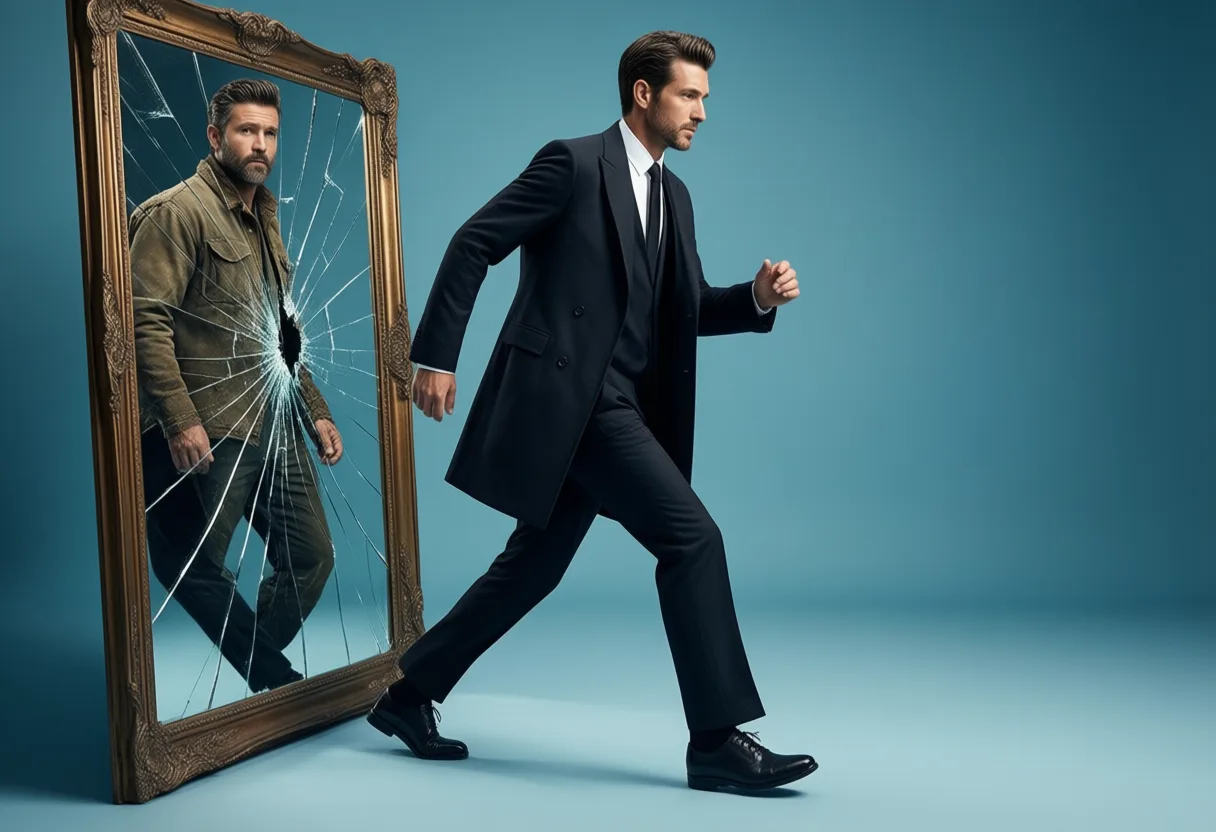
You don’t need a closet full of clothes to look put together-you need the Right Clothes. Think of your Style like A personal operating system: some guys run on sleek minimalism, others thrive in rugged utility, and a few just want to show up looking like they didn’t try (but actually tried just enough). The key isn’t copying someone else’s code-it’s figuring out which version of You Looks and feels most natural.
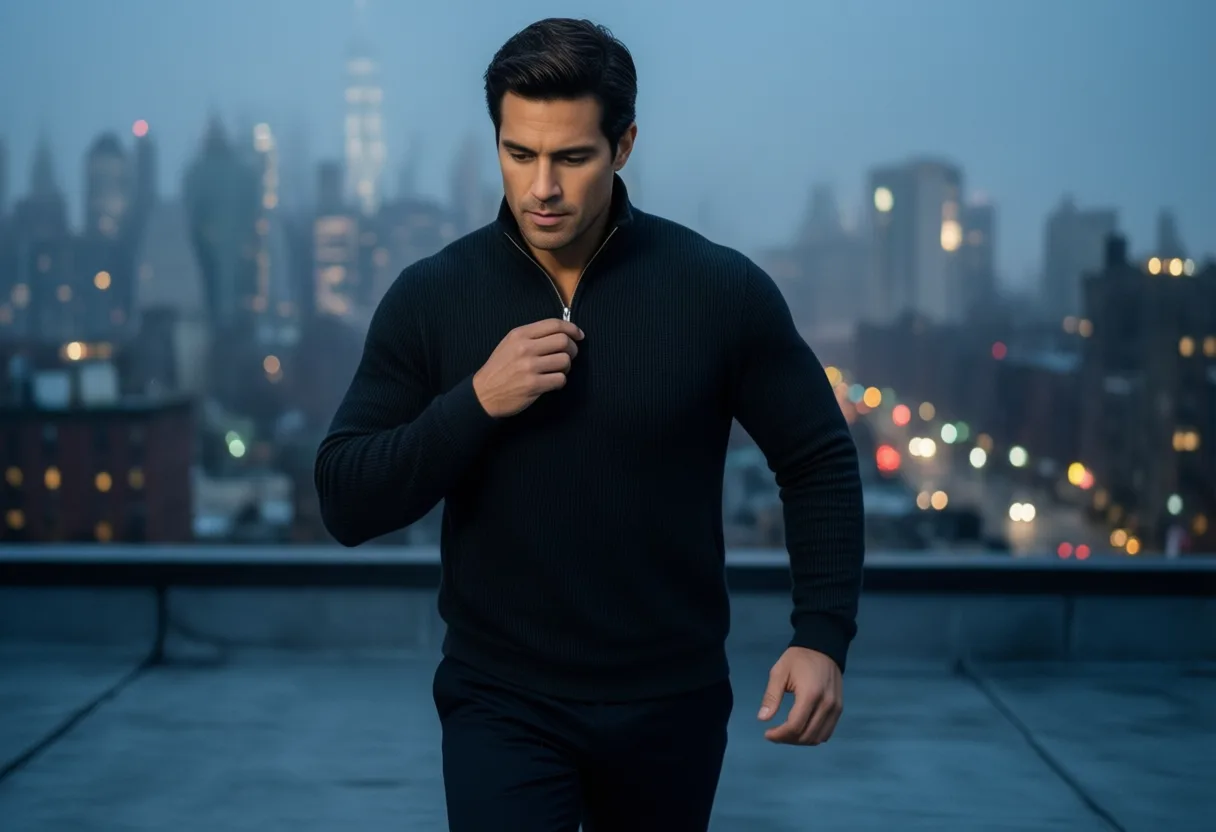
Maybe you’re the guy who lives in soft cashmere crewnecks and tailored chinos, drawn to quiet luxury and neutral tones. Or maybe your vibe leans more vintage rock-think well-worn leather jackets, band tees under unbuttoned shirts, and boots that have seen a few cities. There’s also the modern athlete type: performance fabrics, clean silhouettes, and a rotation of elevated Gym-to-dinner pieces That blur the line between comfort and polish.
No archetype is better than another. What matters is alignment. When your clothes match your daily rhythm-whether you're closing deals, building things, or creating art-they stop being costumes and start feeling like extensions of who you are. And once you lock that in, everything else gets easier.
How Do You Define Effortless Style?
The Wardrobe Basics Every Man Needs
Effortless style isn’t about doing less-it’s about choosing right. It’s the guy who walks into a room and doesn’t look like he’s trying, but every detail lands. That kind of ease comes from a foundation of solid, Repeatable pieces That work across seasons and situations. These aren’t trends. They’re the quiet heroes of a functional wardrobe.
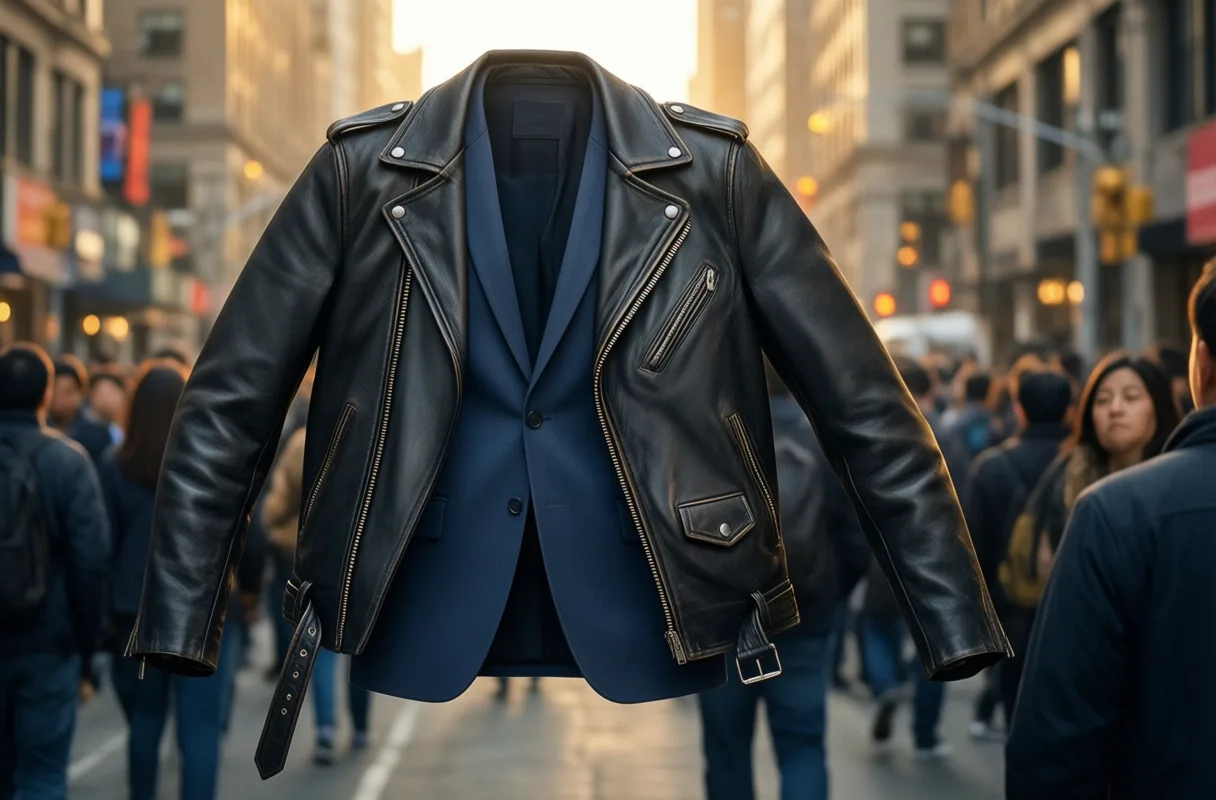
A well-fitting navy blazer Is the ultimate social passport. Throw it over a t-shirt for dinner, pair it with chinos for a meeting, or layer it over a turtleneck when the air turns crisp. Then there’s the White button-down-not the stiff, boardroom version, but one with a relaxed cut, soft fabric, and just enough structure to look intentional. And no man should be without Dark, non-faded jeans That hug the leg without squeezing it.
Your basics should feel like reliable tools:
- A Black or Brown leather Belt That matches your most-worn shoes
- Neutral crew socks In gray, navy, and black-no logos, no loud patterns
- A Simple white crew-neck t-shirt In a heavyweight cotton that doesn’t cling or go sheer
These pieces don’t scream for attention. They do their job quietly, letting You Be the focal point. And when you build from this base, adding personality becomes a choice, not a gamble.
Are You Dressing for the Occasion?
Navigating Casual, Business, and Formal Codes
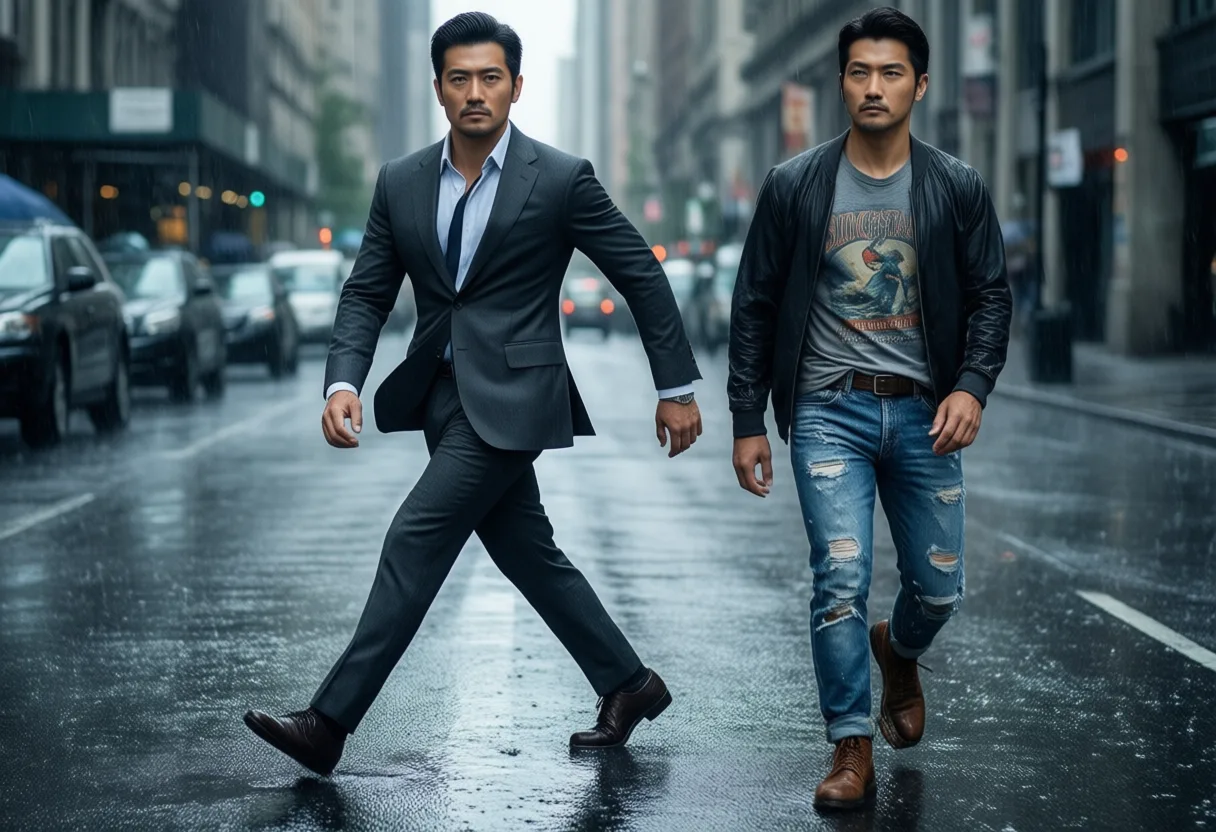
Dressing well Isn’t about formality-it’s about context. The same guy who crushes a boardroom in a tailored suit might look painfully out of place wearing that same suit to a backyard BBQ. The reverse is true too: showing up in joggers to a wedding sends a message, just not the one you want. The trick is reading the room before you leave the house.
Casual doesn’t mean careless. A great casual look has intention: dark jeans, clean sneakers, a fitted henley or polo, and a watch. It says, I’m relaxed, but I respect the moment. Business casual? That’s where a lot of guys stumble. It’s not jeans and a hoodie. It’s chinos or dress pants, a button-down or knit polo, and leather shoes. No tie required, but no shortcuts either.
Formal wear is simpler than most think. A Well-tailored suit in navy or charcoal, paired with a crisp white shirt and black oxfords, covers 90% of dressy events. The other 10%-black tie, white tie, cultural attire-comes with clear cues. When in doubt, match the energy of the host. Underdressing is a bigger risk than overdressing, but both can be avoided with a little foresight.
Does Your Fit Reflect Your Frame?
Mastering Proportions Without Trying Too Hard
Fit is the invisible difference between looking expensive and looking lost in your clothes. A $200 jacket that gapes at the shoulders or bunches at the wrists will always look cheap. A $50 shirt that fits perfectly? It looks intentional. Fit isn’t about size-it’s about proportion, and every body type can nail it.
Broad-shouldered guys should avoid boxy cuts that add volume. Instead, look for structured shoulders and a tapered waist to balance the frame. Slimmer builds benefit from clean lines and minimal layering-no puffy jackets or oversized hoodies that swallow you whole. For shorter men, higher rises and ankle-breaking pants create the illusion of length. Taller guys can play with longer silhouettes, but beware of sleeves that hang past the wrist.
The easiest way to test fit? Move. Raise your arms, sit down, reach for something. If the fabric pulls or restricts, it’s wrong. A good fit moves With You, not against you. And if off-the-rack never feels quite right, consider minor tailoring. Hemming pants, taking in a jacket-these small fixes pay off for years.
What Colors Actually Suit You?
Building a Palette That Works Year-Round
You don’t need a rainbow wardrobe to have color. In fact, most guys look better with a tight, intentional palette that complements their skin tone, hair, and natural contrast. The goal isn’t to match paint swatches-it’s to find shades that make you look awake, healthy, and like you got enough sleep last night.
If you’ve got warm undertones-golden or olive skin, dark hair-earthy tones like olive green, rust, camel, and deep burgundy will elevate you. Cooler tones-pinkish skin, light or ash-blond hair-shine in navy, charcoal, icy gray, and crisp white. Neutral skin? Lucky you. You can pull off almost anything, but start with navy, gray, and medium brown as anchors.
Build your palette like a mixtape:
1. Base layer: 3 neutral colors (navy, gray, beige)
2. Accents: 2-3 deeper or richer shades (burgundy, forest green, chocolate brown)
3. Pop: 1 wildcard (mustard yellow, burnt orange, deep teal) used sparingly
Stick to this formula, and you’ll never wonder what goes with what. Everything will work with everything.
Is Your Outerwear Working for You?
From Trench Coats to Denim Jackets-Choosing Smart
Your outerwear is the first thing people see-and the last thing they forget. A great coat doesn’t just keep you warm; it sets the tone for your entire look. It’s the overture before the symphony. And like any good overture, it should be strong, clear, and memorable.
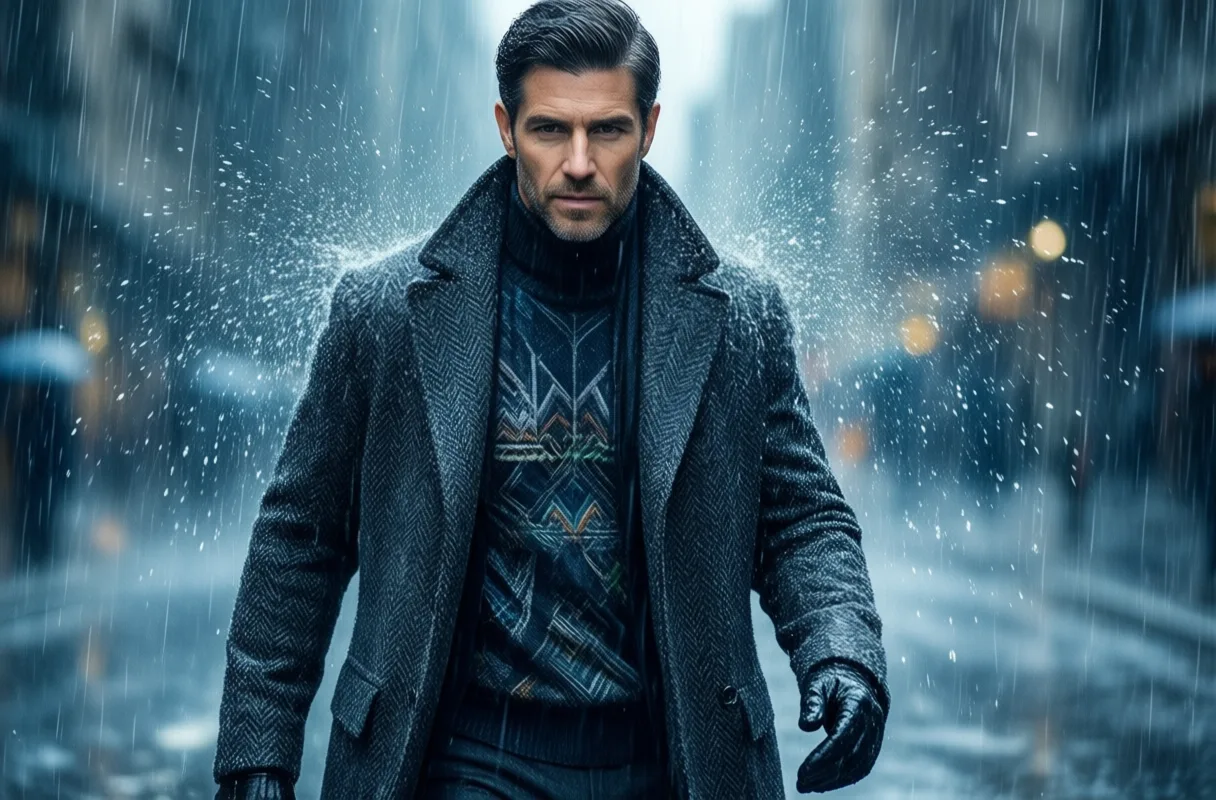
A Classic trench coat in beige or olive Is timeless. Worn over a suit or with jeans and a sweater, it says you’ve got your life together. A Black or navy wool overcoat Is your winter MVP-warm, sleek, and versatile enough for the office or a date. For casual days, a Well-worn denim jacket Or Bomber in suede or nylon Adds edge without effort.
The best outerwear fits like a second skin: not tight, not baggy. It should allow room for a sweater underneath without looking puffed up. And always check the shoulders-nothing ruins a coat faster than a seam that droops past your arm. If you're investing, go for natural materials. Wool, cotton, and leather age beautifully. Polyester? Not so much.
Do You Lean Classic or Trend-Forward?
Finding Balance Between Timeless and Now
You don’t have to choose between looking current and looking timeless. The smart move? Anchor your wardrobe in classics, then sprinkle in trends like seasoning. Think of it like music: the beat stays steady, but the melody changes.
Tailored trousers, white sneakers, leather dress shoes, a simple watch-these are your rhythm section. They never go out of style. Then, for flavor, add one or two trend-forward pieces: a slightly oversized shirt, a vintage wash denim, a boot with a chunky sole. These are your lead guitar riffs-noticeable, but not overwhelming.
The danger isn’t in trying new things-it’s in betting the whole wardrobe on them. That neon windbreaker might be everywhere this season, but will you still love it next year? Probably not. Trends are best treated like experiments: fun, temporary, and easy to walk away from.
Can Accessories Define Your Vibe?
The Subtle Power of Watches, Belts, and Footwear
Accessories are the punctuation of your outfit. A comma, a period, an exclamation point-they don’t carry the sentence, but they shape how it’s read. A watch says you value time. A leather belt says you pay attention to detail. The right shoes? They say you’re ready for whatever comes next.
Start simple. A Minimalist watch with a leather or metal band Works for nearly every occasion. Avoid anything too flashy or oversized unless you’re going for a statement. Your belt should match your shoes in color and material-black belt with black shoes, brown with brown. It sounds basic, but half the guys out there get it wrong.
And don’t sleep on socks. They’re the secret handshake of style. A subtle pattern, a pop of color, or a textured knit can elevate a boring outfit instantly. Just don’t let them clash with your pants or shoes. Coordination is key.
What’s in Your Shoe Rotation?
Breaking Down the Essential Styles for Every Season
Shoes are the foundation-literally. No matter how good the rest of your outfit is, bad shoes drag the whole thing down. You wouldn’t build a house on cracked concrete. Same logic applies here. Build your rotation around five core styles.
- White leather sneakers – clean, versatile, go with everything from jeans to chinos
- Black leather dress shoes – oxfords or derbies for meetings, weddings, or nights out
- Brown leather boots – Chelsea or chukka styles for fall and winter, rugged but refined
- Loafers – in brown or burgundy, perfect for business casual or weekend brunch
- Minimalist sandals or suede sneakers – for summer, when breathability meets style
Rotate them. Clean them. Let them dry between wears. A well-maintained shoe lasts years. A neglected one looks cheap in six months. And always, Always Match your sock height to your pants-no ankle socks with cuffed jeans unless you’re going for “forgot to pack.”

How Often Should You Refresh Your Look?
Knowing When to Evolve-Without Starting Over
Style isn’t static. You’re not the same guy you were five years ago, so why should your wardrobe be? But evolution doesn’t mean revolution. You don’t need to burn it all down and start fresh every season. That’s expensive and exhausting.
Instead, refresh like a gardener: trim what’s overgrown, replace what’s dead, and plant a few new things each year. Maybe this is the year you finally try a tailored coat. Or swap out faded t-shirts for better-fitting ones. Or add a new color to your rotation. Small upgrades compound.
A good rule: if you haven’t worn it in a year, it’s probably not coming back. Donate it. Make space. And before you buy something new, ask: Does this work with at least three things I already own? If not, walk away.
The Style Myth You’re Probably Believing
Why “Dressing Your Age” Doesn’t Mean What You Think
Let’s kill this myth: “Dress your age.” It’s terrible advice. It implies there’s a point where you have to stop wearing jeans, or colors, or anything that makes you feel alive. Newsflash: style has no expiration date. What matters isn’t your birth year-it’s your energy, your posture, your confidence.
A 50-year-old can rock a leather jacket. A 25-year-old can wear a three-piece suit. What makes it work isn’t the outfit-it’s the ownership. When you wear something like you mean it, people believe you. When you wear it like you’re apologizing, they notice that too.
Dress for the life you’re living, not the one someone says you Should Be living. If you feel sharp in a slim-fit blazer at 60, wear it. If you love vintage band tees at 35, keep them. Style is self-expression, not a dress code.
Putting It All Together: Style as a Second Language
Wear Confidence, Not Just Clothes
At the end of the day, clothes are just fabric and thread. What matters is what they say when you walk into a room. Do they say, I’ve got this? Or do they say, I hope no one notices me? The difference isn’t in the price tag-it’s in the fit, the details, the quiet certainty that you belong exactly where you are.
Your wardrobe should be a tool, not a burden. It should make getting dressed faster, not slower. It should reflect who you are Now, not who you were in college or who you think you Should Be. And if you ever feel stuck, take the Joseph A Banks The Master Of Stylish Men’s Fashion to see how the pros build cohesion without losing individuality.
Style isn’t about perfection. It’s about presence. It’s the way a well-pressed shirt catches the light, the sound of leather soles on hardwood, the way a woman notices your watch before she notices your face. These aren’t accidents. They’re choices. And once you start making them on purpose, you stop just wearing clothes-you start speaking a language everyone understands.
| Shoe Style | Best For | Key Features |
|---|---|---|
| White leather sneakers | Casual to business casual | Clean, versatile, pairs with everything |
| Black leather dress shoes | Meetings, weddings, formal events | Oxfords or derbies, polished look |
| Brown leather boots | Fall and winter wear | Chelsea or chukka styles, rugged yet refined |
| Loafers | Business casual, weekend outings | Brown or burgundy, no socks needed |
| Minimalist sandals or suede sneakers | Summer wear | Breathable, stylish, seasonally appropriate |
What Your Style Says About You
More Than Just a Game
Taking a men’s fashion quiz isn’t just about picking favorite outfits-it can actually reveal subtle preferences you might not even realize you have. These quizzes often tap into subconscious style leanings, connecting your choices to broader fashion archetypes like the classic minimalist, the bold trendsetter, or the rugged outdoorsman. Surprisingly, the way you answer questions about comfort, color, and occasion can align closely with established style frameworks used by image consultants.
Ever wonder why some guys always seem to get compliments on their look? It’s often because they’ve nailed consistency-and quizzes help identify that sweet spot. Answering honestly about what clothes you reach for on a lazy Sunday or which jacket you’d pick for a night out creates a pattern. That pattern is key. Sticking to a coherent style identity, whether it’s smart-casual, streetwear-inspired, or timeless prep, tends to make a stronger impression than chasing every passing trend.
One fun twist: many fashion quizzes include trick questions designed to uncover your confidence level with risk. Do you go for the red blazer or play it safe with navy? Your choice might say less about color preference and more about how adventurous you feel in the spotlight. And here’s a lightbulb moment-accessories often act as silent indicators. A preference for watches, hats, or even shoe details can signal attention to detail that defines a polished look. Explore more stories, videos, and creators on Loaded.
Frequently Asked Questions
What are the key wardrobe basics every man needs?
A well-fitting navy blazer, white button-down shirt, dark non-faded jeans, black or brown leather belt, neutral crew socks, and a white crew-neck t-shirt in heavyweight cotton.
How can I dress appropriately for different occasions?
For casual settings, wear dark jeans, clean sneakers, and a fitted top. Business casual includes chinos or dress pants with a button-down and leather shoes. Formal events call for a navy or charcoal suit with a white shirt and black oxfords.
How do I choose colors that suit me?
Men with warm undertones look best in earthy tones like olive, rust, and burgundy. Cool undertones shine in navy, charcoal, and icy gray. Neutral skin can wear most shades, starting with navy, gray, and medium brown as anchors.
What shoe styles should every man have?
A rotation of white leather sneakers, black leather dress shoes, brown leather boots, loafers, and minimalist sandals or suede sneakers covers all seasons and occasions.
This article was produced with AI assistance. How Granite Magazine uses AI.
Quinn explores the nuances of men’s fashion and personal care with a focus on timeless elegance and modern practicality. They emphasize sustainable choices, intelligent design, and the psychology behind how men present themselves in evolving social landscapes.