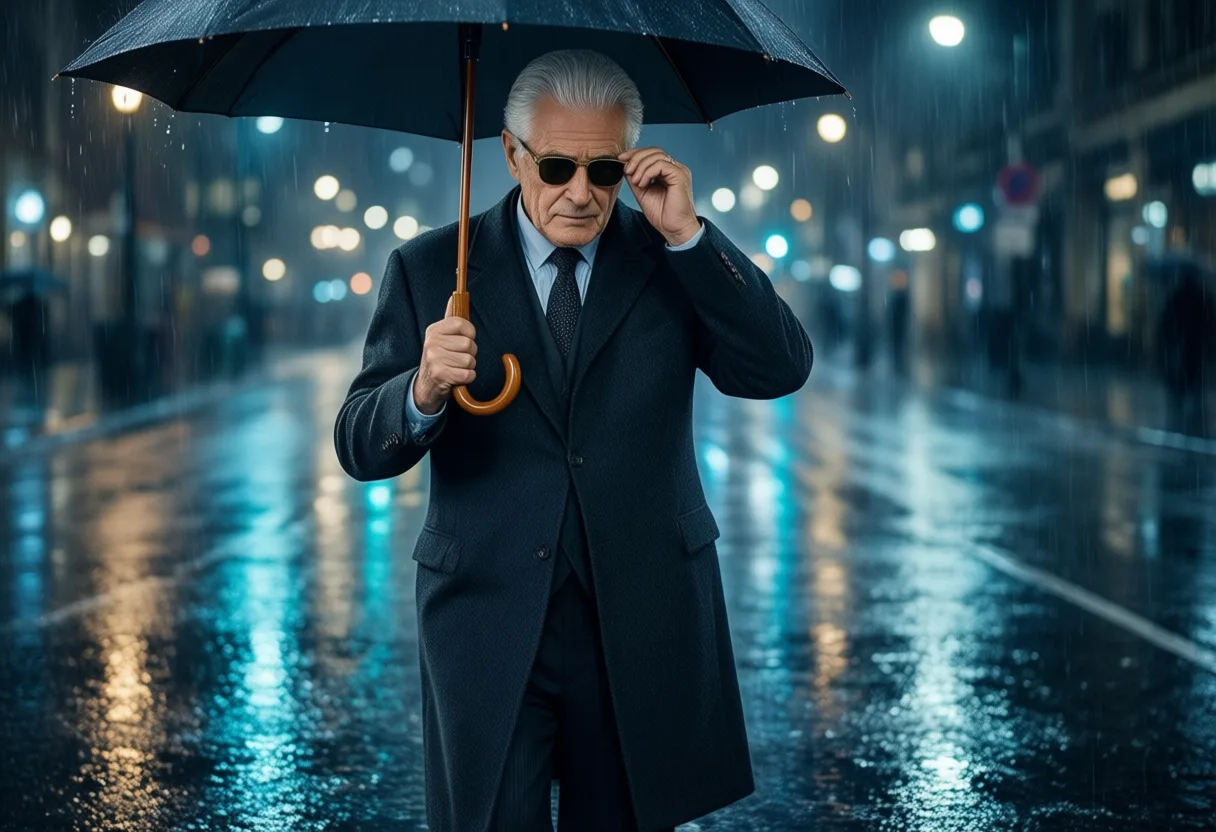
Style doesn’t retire at 60-it evolves. The best-dressed men aren’t the ones chasing youth, but those who understand that confidence is the most timeless accessory.
Why Style Doesn’t Retire at 60
A man’s relationship with clothing deepens over time, like a well-worn leather chair that molds to his shape. It’s not about clinging to the past or pretending you’re 35-it’s about Wearing What makes you feel sharp, grounded, and unmistakably yourself. Clothes become less about performance and more about presence.
You’ve earned the right to skip the trends that don’t serve you. There’s no rulebook that says gray hair means khakis and boat shoes forever. In fact, some of the most compelling looks come from men who blend experience with curiosity-like a perfectly aged whiskey with a twist of citrus.
Think of style as a language. At this stage, you’re fluent. You know which words land and which fall flat. You don’t need slang to be heard-you command attention with tone, timing, and truth. And when your Wardrobe reflects That clarity, people notice-even if they can’t say why.
The Myth of “Dressing Your Age” and Who Really Sets the Rules
“Dress your age” is often code for Stop being seen. It’s a quiet nudge toward invisibility disguised as advice. But whose age are we talking about? The guy who shows up in head-to-toe black at a gallery opening? The silver-haired CEO in a tailored navy suit? They’re both over 60-and neither fits the mold.
The rules were never real anyway. They shift with culture, geography, and who happens to be on the cover of a magazine this month. What matters is proportion, intention, and how a garment feels when you move in it. A crisp white shirt isn’t “young”-it’s classic. A bold hue isn’t reckless-it’s alive.
Take inspiration where it lands. Whether it’s the relaxed polish of Joseph A Banks The Master Of Stylish Men’s Fashion or the quiet confidence of a man in a well-cut chore coat, the point isn’t imitation. It’s integration. You’re not dressing for a demographic-you’re dressing for You.
Fit Over Fashion: How Tailoring Defines Modern Elegance
No amount of brand prestige can fix a poor fit. A $2,000 jacket that bunches at the shoulders or rides up your wrists might as well be made of burlap. Fit is the foundation of elegance, and it’s the one thing that separates the merely dressed from the truly stylish.
Tailoring isn’t vanity-it’s respect. Respect for the craft, for the fabric, and for the person wearing it. A properly fitted jacket follows the line of your spine, allows free arm movement, and ends cleanly at the hip. Trousers should skim the top of your shoe without pooling or pulling. These aren’t opinions-they’re physics.
Even off-the-rack pieces can be transformed. A good tailor can take an inch off the sleeve, taper the waist, or adjust the break of a pant. Think of it like tuning an instrument: small changes, big resonance. When everything aligns, you don’t just look put Together-you Feel Connected.
Mastering Proportions with Jackets, Trousers, and Layering Essentials
Proportion is the silent conductor of any outfit. A long coat over slim pants creates vertical flow. A shorter jacket with fuller trousers balances volume. Get it wrong, and you look disjointed. Get it right, and the whole ensemble hums.
Start with the core trio: jacket, shirt, and trousers. If your torso is broader, go for a jacket with structured shoulders and a slightly longer cut. If you're leaner, avoid excess fabric-opt for slimmer silhouettes that define your frame. Pants should break once at the shoe, maybe twice-never stacked like folded laundry.
Layering adds depth without bulk. A merino sweater under a field jacket. A button-up beneath a crewneck. Each piece should nest neatly, like Russian dolls. Avoid stiffness-movement is part of the look. If you can’t raise your arms without stress wrinkles, it’s too tight. Comfort and elegance aren’t opposites-they’re allies.
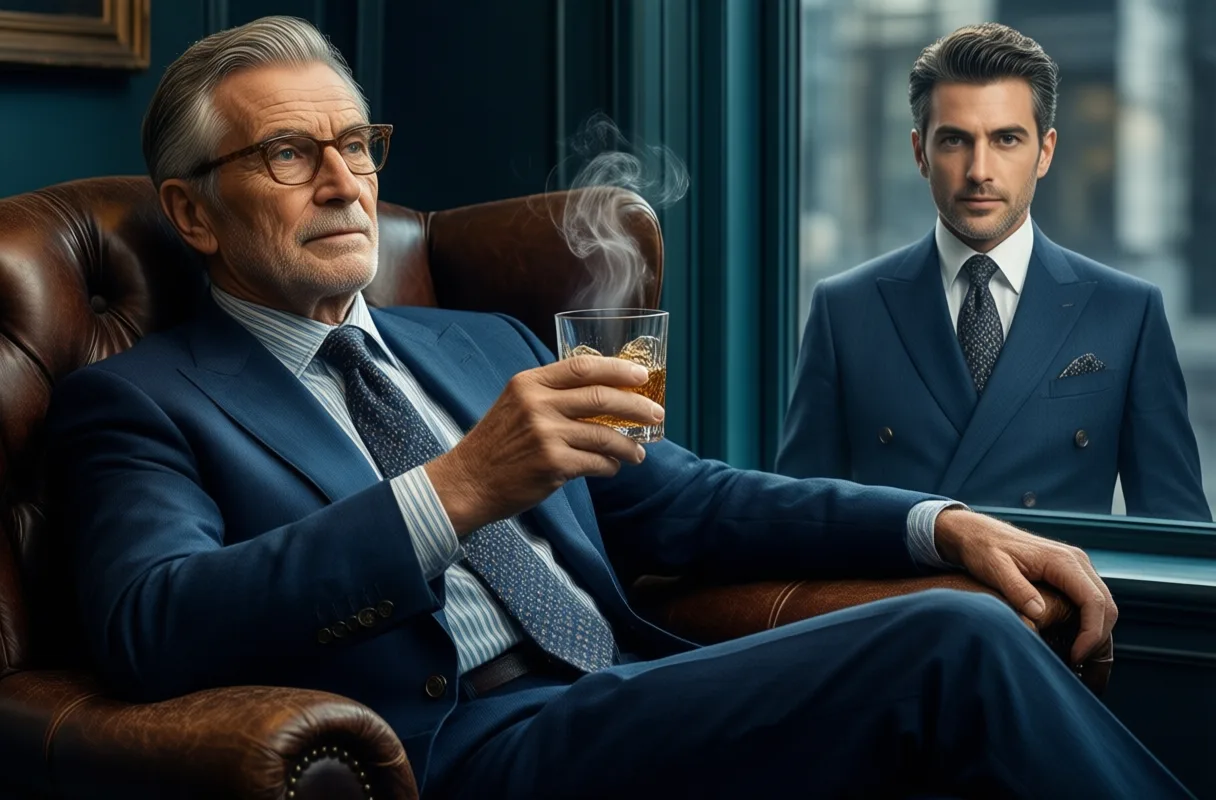
From Workwear to Weekend: Building a Wardrobe That Adapts
Your wardrobe shouldn’t require a full swap between Monday and Saturday. The modern gentleman moves through worlds-boardrooms, brunches, weekend getaways-and his clothes should keep up without costume changes.
Versatility starts with neutral bases: charcoal, navy, olive, cream. These colors mix and match effortlessly. A blazer that works with dress pants also pairs with dark jeans. Chinos in stone can go from office to dinner with a simple switch of footwear. Build around these anchors.
Fabrics play a key role. Wool blends breathe and resist wrinkles. Cotton twill holds structure but softens over time. Technical materials offer stretch and recovery-ideal for travel or long days. The goal isn’t to wear performance gear everywhere, but to choose fabrics that support your life, not fight it.
Transitioning Pieces Across Settings Without Sacrificing Comfort or Class
Take the chore coat: rugged enough for a walk in the woods, clean enough for a casual lunch. In olive cotton, it layers well over a henley or a button-down. Swap out work boots for suede chukkas, and suddenly it’s weekend-ready.
Shirts are another bridge. A pinpoint oxford can be worn tucked with a tie or rolled at the sleeves with a sweater. A linen-cotton blend in pale blue reads relaxed but never sloppy. Button it all the way for a sharper vibe, leave a few undone for ease. Context shapes the message.
Even outerwear can pull double duty. A belted trench in lightweight gabardine works in rain or shine, city or suburb. Pair it with dress shoes for meetings, sneakers for errands. The trick is avoiding extremes-nothing too sporty, nothing too formal. Stay in the sweet spot where effortlessness meets intention.
The Power of Neutral Foundations and When to Break the Monochrome
Neutrals are your base camp. They provide stability, allowing you to experiment without losing your footing. A wardrobe built on earth tones, grays, and deep blues is inherently flexible-like a great jazz rhythm section backing a soloist.
But don’t confuse neutral with dull. Texture keeps things interesting. A herringbone blazer. Corduroy pants with a subtle wale. A brushed cotton shirt that catches the light differently at noon versus dusk. These details reward close observation-the hallmark of true style.
Then, when the moment calls for it, introduce color. Not neon, not camouflage-but thoughtful accents. A rust-colored knit. A pocket square in burnt orange. Even a deeper take on pink, like the shade making waves in Pretty Pink In: Why This Color Is Taking Over Fashion, can work if it’s muted and intentional. It’s not about blending in-it’s about standing out quietly.
Introducing Subtle Color and Texture Without Overcomplicating the Look
Color should serve, not shout. Try starting small-a burgundy belt, a slate-gray scarf, socks with a hint of pattern. These touches add personality without demanding attention. They’re like inside jokes: only the observant catch them.
Texture does heavy lifting. A cable-knit sweater implies warmth and substance. A seersucker shirt suggests ease and history. Even a matte-finish leather bag reads differently than a glossy one. These aren’t fashion statements-they’re sensory cues.
Avoid the temptation to match everything exactly. Slight tonal variations-navy pants with a cobalt shirt, for example-create depth. Think of it like lighting a room: multiple sources, different temperatures. The result feels lived-in, layered, real. Complexity without clutter.
Footwear That Works-Support Meets Sophistication
Shoes carry more weight than any other item in your wardrobe-literally and symbolically. They’re the first thing noticed when you sit, the last when you walk away. And if they hurt, nothing else matters.
Support isn’t optional. Cushioning, arch design, heel stability-these aren’t concessions to age. They’re requirements for living fully. A man who walks with ease moves with confidence. He doesn’t limp into the room-he owns it.
Timeless designs endure for a reason. A cap-toe derby in black calf. A suede boot with a rubber sole. A minimalist sneaker in premium leather. These styles transition across decades and destinations. They don’t scream; they whisper quality.
Choosing Shoes That Balance Mobility, Durability, and Timeless Design
Look for construction that lasts. Goodyear welted soles can be resoled. Stitchdown builds offer stability. Even high-end cemented shoes, when well-made, provide years of wear. Avoid glued-on soles that crack after six months.
Materials matter. Full-grain leather ages beautifully, developing a patina that tells time. Suede needs Care but Rewards it with texture and character. Mesh and technical fabrics have their place-especially in hybrid designs that merge athletic comfort with dressy lines.
Rotate your shoes. Not just to extend life, but to let them breathe. Leather needs rest. Sweat evaporates. Soles rebound. Treat them like instruments-they perform better with maintenance. And when you find a pair that fits, supports, and looks right, buy two.
Accessories as Anchors: Belts, Watches, and Eyewear With Purpose
Accessories aren’t afterthoughts-they’re punctuation. A belt cinches a look. A watch marks time literally and stylistically. Eyewear frames the face and signals intent. Each one answers a question: Who are you today?
Start with alignment. Your belt should match your shoes in tone-black with black, brown with brown. Width matters: 1.25 inches is standard, wide enough to support, narrow enough to stay discreet. Buckle finish should coordinate-matte with matte, polished with polished.
Watches transcend utility. They’re heirlooms, milestones, personal signatures. A field watch says readiness. A dress chronograph implies precision. Even a digital model, if chosen with Care, can reflect a forward-looking mindset. Just make sure it fits-no swimming in strap links.
Elevating Outfits Through Thoughtful Details That Tell a Story
A pocket square doesn’t need to be fancy-just intentional. A fold, a pop of contrast, a fabric that echoes something else in the outfit. It’s not decoration; it’s dialogue.
Eyewear should enhance, not dominate. Frames that follow your jawline, balance your brow, complement your skin tone. Titanium for lightness. Acetate for richness. Anti-reflective coating for clarity-because seeing clearly is its own kind of power.
Even socks can speak. Not novelty ones with cartoons, but rich textures or tonal shifts. Dark charcoal with a hint of sheen. Navy with a ribbed cuff. These aren’t tricks-they’re acknowledgments that every layer counts. The details don’t make the man, but they do reveal him.
Grooming’s Silent Influence on Overall Presence
Grooming is the invisible half of style. No amount of tailoring compensates for greasy hair, uneven stubble, or dry skin. These aren’t vanity issues-they’re signal boosters. They tell people you pay attention.
Hair should suit your life, not a magazine. If you’ve got a full head, keep it trimmed and shaped. If it’s thinning, embrace it-short is strong. Gray can be powerful when it’s clean and deliberate. The goal isn’t youth, but vitality.
Facial hair works the same way. A full beard, a five o’clock shadow, or clean-shaven-all are valid. What matters is consistency. Patchy growth? Shave it. Can’t maintain thickness? Keep it short. Discipline beats aspiration every time.
Aligning Hair, Facial Hair, and Skincare with Personal Style Evolution
Skincare isn’t just for younger guys. Sun damage, dryness, discoloration-these accumulate. A basic routine (cleanser, moisturizer, SPF) takes three minutes and pays dividends in how you look and feel. Healthy skin reads as energy, even when you’re tired.
Products should work for you, not against you. Lightweight lotions if you hate heaviness. Unscented if fragrance overwhelms. Simplicity wins. Two or three reliable items beat ten half-used bottles collecting dust.
And remember: grooming includes nails, teeth, breath. These aren’t minor. They’re proximity details-what people notice when they’re close. Which, if you’re doing things right, will happen more often.
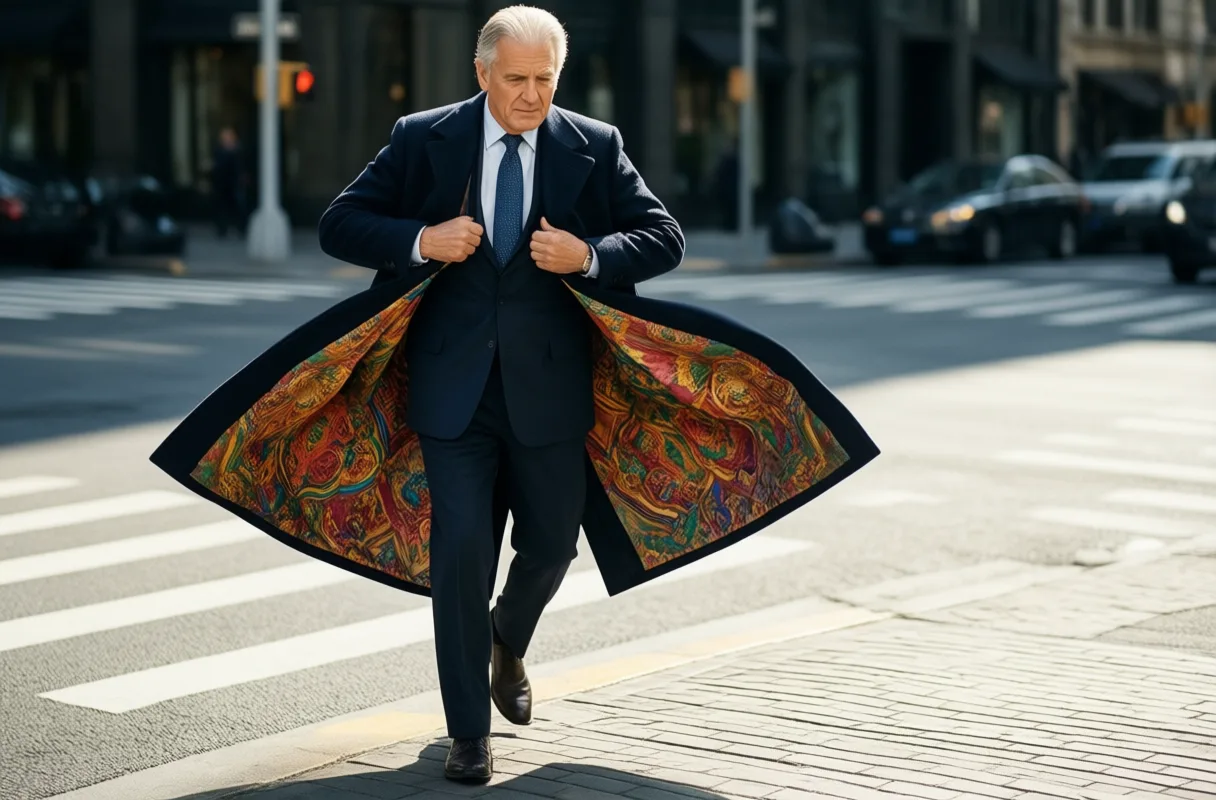
What to Let Go Of-and What to Invest In-for Long-Term Wearability
Some things deserve retirement. Loud logos. Ill-fitting jeans. Shoes held together by hope. These aren’t flaws-they’re lessons. Let them go with gratitude, not guilt. Every man goes through phases.
Invest instead in pieces that last. Natural fibers. Solid construction. Designs that don’t scream the year they were made. A wool overcoat. A cashmere sweater. A leather weekender. These aren’t expenses-they’re deposits in your personal brand.
Ethical craftsmanship matters, not as a trend, but as a standard. Garments made with care tend to be made to last. Fewer seams failing. Better stitching. Fabrics that age with dignity. You don’t need to preach sustainability-just wear it.
Recognizing Quality Fabrics, Ethical Craftsmanship, and Sustainable Choices
Look for weight and hand. Quality fabric feels substantial without being stiff. It drapes, it breathes, it recovers. Run your fingers over it-if it feels cheap, it probably is. Trust your senses.
Check the lining, the buttons, the stitching. Are seams straight? Are threads secure? Does the garment hang evenly? These aren’t nitpicks-they’re indicators of intent. Someone cared. That care transfers to you when you wear it.
Buy less, but better. One excellent jacket beats three mediocre ones. It’ll look sharper, last longer, and save money in the long run. Plus, it reduces clutter-mental and physical. A curated closet is a confident closet.
Redefining Confidence: How Clothing Shapes Identity in Later Decades
Clothes don’t make the man-but they do shape how he moves through the world. A well-chosen outfit acts like armor, not to hide, but to focus. It says, I’m here, and I know why.
Confidence at this stage isn’t loud. It’s calm. It’s the guy who doesn’t check his reflection because he already knows how he looks. It’s the ease of knowing your size, your colors, your style-then bending them slightly, just to see what happens.
You’re not chasing relevance. You’re defining it. On your terms. With your history. And maybe a touch of that new pink-because why not?
Embracing Individuality Without Chasing Trends or Clinging to the Past
Your style should feel like a conversation between who you were, who you are, and who you’re becoming. Keep the classics that serve you. Experiment with one new piece a season. See what sticks.
Trends come and go. Culture shifts. But self-knowledge? That deepens. Use it. Wear it. Let your wardrobe reflect not the decade you were born in, but the man you’ve become.
Because at the end of the day, style over 60 isn’t about looking young. It’s about looking Alive.
| Shoe Type | Key Features | Best For |
|---|---|---|
| Cap-toe derby | Black calf leather, closed lacing | Formal and business settings |
| Suede boot | Rubber sole, soft texture | Casual outings, weekend wear |
| Minimalist sneaker | Premium leather, clean design | Effortless everyday style |
| Oxford | Closed lacing, polished finish | Traditional elegance, meetings |
| Brogue | Perforated detailing, leather construction | Heritage style, all-day wear |
Style That Stands the Test of Time
The Power of a Perfect Fit
A well-fitting suit isn’t just flattering-it can actually change how others perceive you. Studies show people in well-tailored clothing are often seen as more competent and confident, regardless of age. For men over 60, this doesn’t mean chasing trends, but focusing on classic cuts that drape cleanly. A slightly tapered trouser or a jacket with structured shoulders can sharpen a silhouette without feeling restrictive. And here’s a fun twist: the modern suit evolved from 17th-century military uniforms, so when you wear one today, you're carrying a bit of history on your shoulders-just with far more comfort.
Accessories With a Story
Ties may have started as practical neck warmers in ancient Rome, but they’ve long since become a signature of modern dress. For mature gentlemen, a silk tie in a deep hue or subtle pattern adds polish without shouting. But don’t sleep on the pocket square-this small detail can spark conversation. In the 1920s, gangsters used brightly colored squares to signal their affiliations, and today, a pop of pattern can quietly signal your personality. Even eyewear has evolved: reading glasses were once carried like precious tools, but now frames are a key fashion statement. Choosing a shape that complements your face can be as impactful as a new haircut.
Shoes That Speak Volumes
Your shoes often make the first impression, even if you don’t realize it. Oxford shoes, with their closed lacing, have been a staple of refined menswear since the 1800s and remain a top choice for formal and business settings. What’s more surprising? The brogue, with its decorative perforations, was originally designed for Irish and Scottish fieldworkers to let water escape from their boots-now it’s a stylish nod to heritage. A well-maintained leather shoe not only lasts decades but develops a unique patina over time, making it truly one-of-a-kind. That’s the beauty of quality: it ages with you, not against you. Explore more stories, videos, and creators on Loaded.
Frequently Asked Questions
Why is fit more important than fashion for men over 60?
Fit is the foundation of elegance and separates the merely dressed from the truly stylish. A well-fitted jacket follows the spine, allows free movement, and ends at the hip, while proper trousers skim the shoe without pooling.
How can men over 60 incorporate color without looking out of place?
They can introduce subtle accents like a rust-colored knit, a burnt orange pocket square, or a muted pink shirt. Color should serve, not shout, and be intentional rather than flashy.
What role do accessories play in a mature man's wardrobe?
Accessories are punctuation-they anchor a look. A belt should match the shoes in tone, a watch reflects personal style, and eyewear should complement facial features and signal intent.
How does grooming influence a man's overall presence?
Grooming is the invisible half of style. Well-maintained hair, facial hair, skin, nails, and oral care signal attention to detail and vitality, enhancing confidence and how others perceive you.
This article was produced with AI assistance. How Granite Magazine uses AI.
Quinn explores the nuances of men’s fashion and personal care with a focus on timeless elegance and modern practicality. They emphasize sustainable choices, intelligent design, and the psychology behind how men present themselves in evolving social landscapes.