
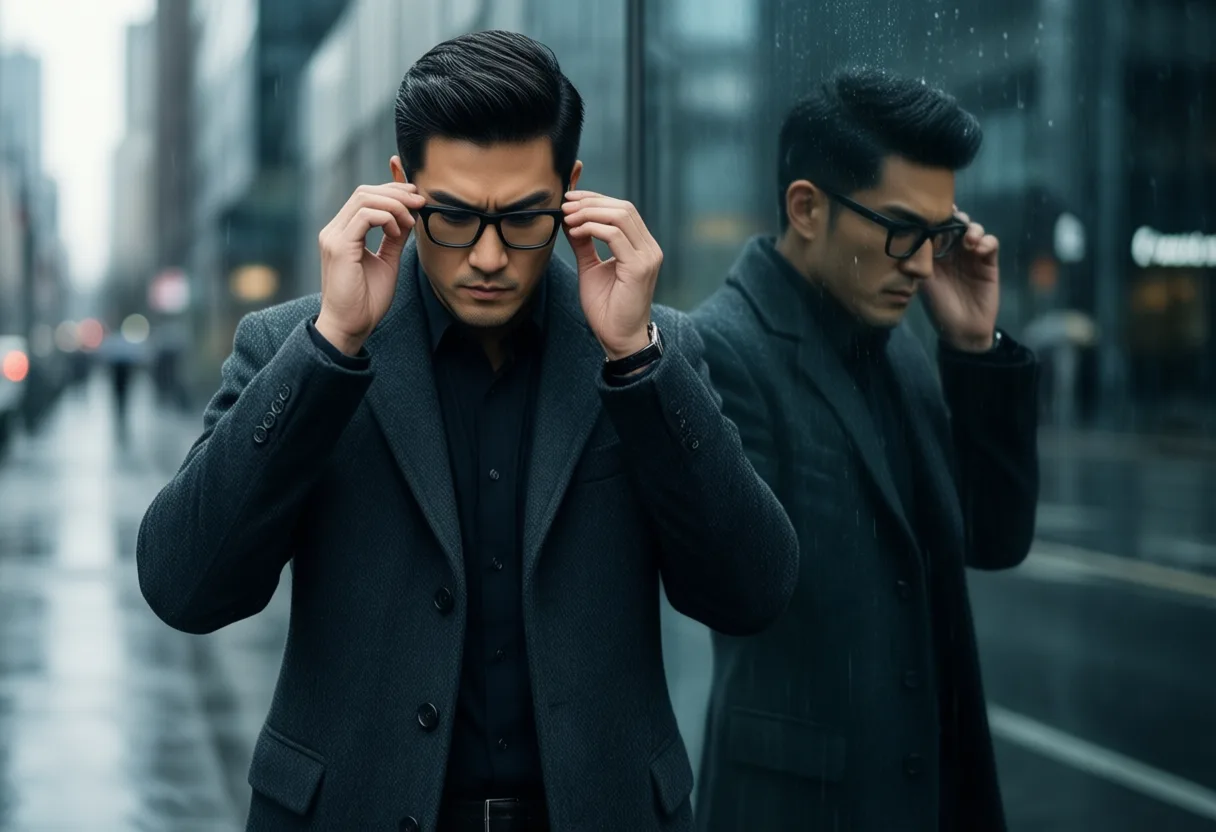
A well-placed pair of glasses doesn’t just correct your vision-it frames your face, Sharpens Your presence, and quietly signals that you pay attention to detail. In 2025, men’s eyewear has evolved from medical necessity to a cornerstone of personal style, as essential as a tailored jacket or a properly knotted tie. The right pair doesn’t hide behind trends-it sets them.
What Defines a Modern Frame in Today’s Eyewear Landscape?
Modern eyewear for men isn’t about chasing what’s new-it’s about choosing what lasts. Today’s standout frames balance clean geometry with subtle personality, avoiding gimmicks in favor of Timeless silhouettes That age like good leather. Think less “tech gadget” and more “heirloom in the making.”
Designers are stripping away excess, focusing on proportion, balance, and how light plays across the surface of a frame. Matte finishes, angular temples, and refined beveling Turn A simple pair of glasses into a statement of intent. It’s not about being seen-it’s about being remembered.
The best frames today feel like they were made for your face, not the other way around. They don’t scream for attention; they earn it through craftsmanship and Confidence. And in a world of digital noise, that kind of quiet authority is rare-and powerful.
9 Frame Shapes That Redefine Masculine Style
1. The Architect
Clean lines, sharp angles, and a slightly oversized silhouette give this shape its name. It’s the eyewear equivalent of a perfectly drafted blueprint-structured, intentional, and built to impress. Ideal for boardrooms or gallery openings, it pairs effortlessly with structured tailoring.
2. The Aviator (Reimagined)
No longer reserved for pilots or ’80s rock stars, the modern aviator ditches the heavy metal for lighter alloys and subtler tints. Today’s version has a slimmer profile and often features a double bridge with minimalist detailing. It’s nostalgic without being costume-y.
3. The Round Reinvented
Once the domain of poets and professors, the round frame now carries a sleek, almost futuristic edge. Thinner metals and offset temples keep it from looking academic. When done right, it adds a touch of intellectual cool-like you read Nietzsche but also know how to fix a carburetor.
4. The Clubmaster
Half acetate, half metal-this hybrid shape splits the difference between brain and brawn. It’s preppy with an edge, like a tweed jacket worn with black boots. The top-heavy design draws attention to the eyes, making it ideal for those who like to hold a gaze.
5. The Slim Rectangle
A favorite among modern professionals, this shape elongates the face and works across most skin tones. Its narrow profile keeps things sharp without overpowering. It’s the eyewear version of a well-tailored shirt-never flashy, always correct.
6. The Browline
Bold on top, subtle below, the browline emphasizes the upper frame to create instant definition. It’s a Smart choice For softer facial features, adding structure without aggression. Think of it as visual contouring-subtle, but effective.
7. The Cat-Eye (For Men)
Yes, men can pull this off-and do it with swagger. Modern masculine cat-eyes are understated, with a slight upward flick at the outer edge. It’s a confident choice, like wearing a patterned pocket square to a meeting where everyone else plays it safe.
8. The Geometric
Angular, asymmetrical, and often experimental, geometric frames are for the man who treats style like a creative outlet. These aren’t for every day-but when worn right, they turn heads without trying too hard. Best paired with solid, neutral clothing to let the frame lead.
9. The Oversized Square
Big doesn’t mean bulky. The oversized square commands space with authority, often favored by creatives and executives alike. It balances strong jawlines and adds presence to longer faces. When paired with a well-groomed beard, it’s a power move.
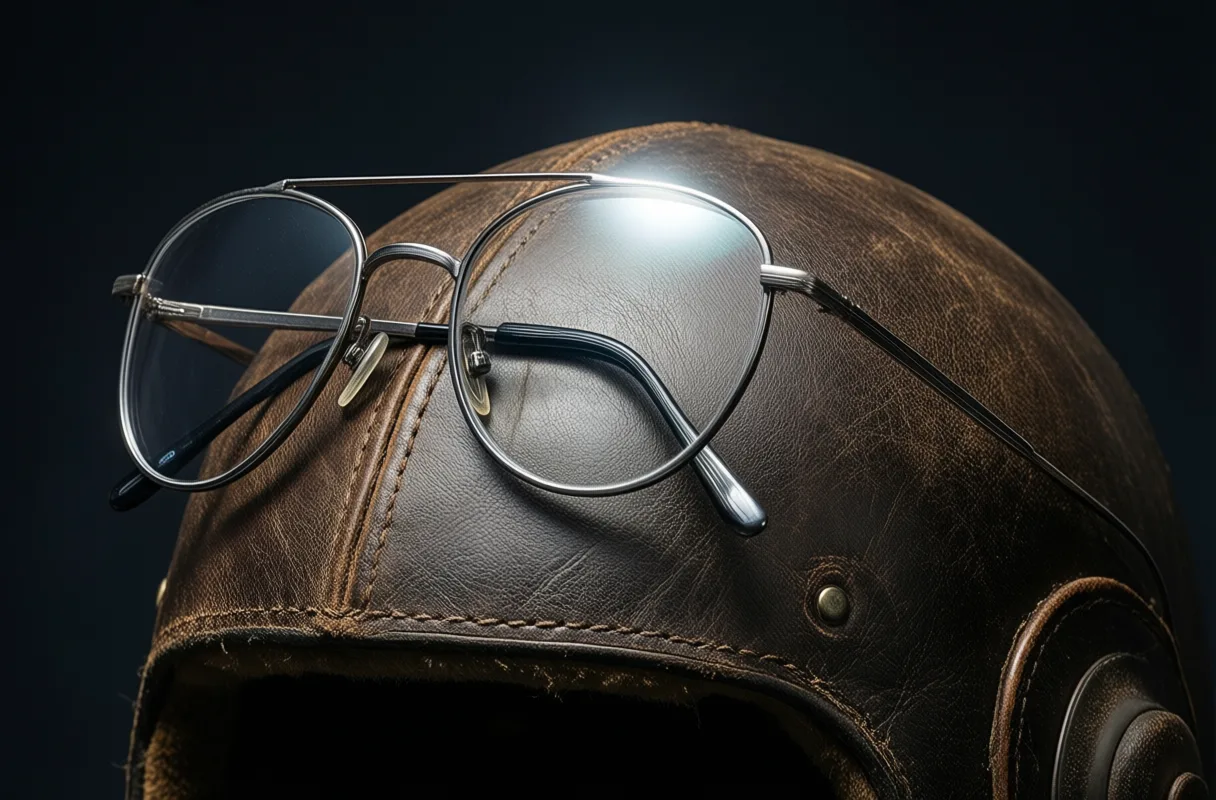
Materials That Matter: From Acetate to Lightweight Alloys
Acetate: The Classic with Soul
Handcrafted acetate frames have a depth of color and texture you can’t fake. Each piece is layered, sanded, and polished to reveal subtle gradients-like wood grain in a fine guitar. It’s warm to the touch and ages beautifully, developing a patina over time.
High-quality acetate resists brittleness and holds its shape, making it ideal for statement frames. It’s heavier than metal, but that weight feels intentional-like wearing a solid watch instead of a plastic one. When you pick up a real acetate frame, you Feel The difference.
And unlike mass-produced plastic, acetate can be re-polished, re-hinged, even re-shaped by a skilled optician. It’s not disposable fashion-it’s built to last, like everything else worth owning.
Titanium & Beta-Alloys: Strength Without the Bulk
For all-day comfort, lightweight metals dominate. Titanium is corrosion-resistant, hypoallergenic, and stronger than steel by weight. It’s the material of choice for frames that need to disappear on your face-without sacrificing durability.
Beta-alloys offer a flexible alternative, bending under pressure but snapping back into place. They’re perfect for active lifestyles or anyone who’s ever sat on their glasses and winced. These metals often feature matte or brushed finishes that resist fingerprints and scratches.
And because they’re so light, you can go bolder with the shape without feeling top-heavy. A thick-looking titanium frame might weigh less than a flimsy plastic pair. It’s engineering in service of style.
Stainless Steel & Monel: The Workhorses
Stainless steel brings durability and a sleek, polished look-ideal for minimalist designs. Monel, a nickel-copper alloy, is malleable during manufacturing but tough in daily use. Both are commonly used in hinges and temples where strength matters most.
These materials aren’t flashy, but they’re the backbone of reliable eyewear. They don’t crack in the cold or warp in the heat. And when paired with acetate fronts, they create a hybrid that’s both stylish and resilient.
You won’t hear brands shouting about monel-but you’ll notice when your glasses still fit perfectly after years of use. That’s the kind of quiet excellence that separates gear from gadgets.
Color Trends That Are Shaping Men’s Eyewear Now
Neutrals still reign-black, tortoiseshell, and gunmetal remain staples for good reason. They’re Versatile, timeless, and pair with everything from a navy suit to a faded denim jacket. But this year, subtle shifts are making space for personality.
Deep olive, rich burgundy, and warm cognac acetates are gaining ground. These tones add depth without shouting, working especially well with earth-toned wardrobes and olive or warm skin tones. A burgundy frame with a black jacket? That’s the kind of detail people remember.
Translucent finishes are also on the rise-smoked grey, faded blue, and even pale amber. They offer a modern, almost digital-era aesthetic, like your glasses are slightly out of focus in the best way. It’s understated, but undeniably current.
Two-tone combinations-like black tops with copper temples or tortoise fronts with matte silver arms-are turning heads in subtle ways. They catch light differently as you move, adding a layer of visual interest. It’s the eyewear version of a hidden pocket detail.
And while bright colors exist, they’re best used sparingly. A flash of cobalt on the inside of the temple? Clever. Neon green frames? Only if you’re trying to disappear into a rave. Moderation, as always, is key.
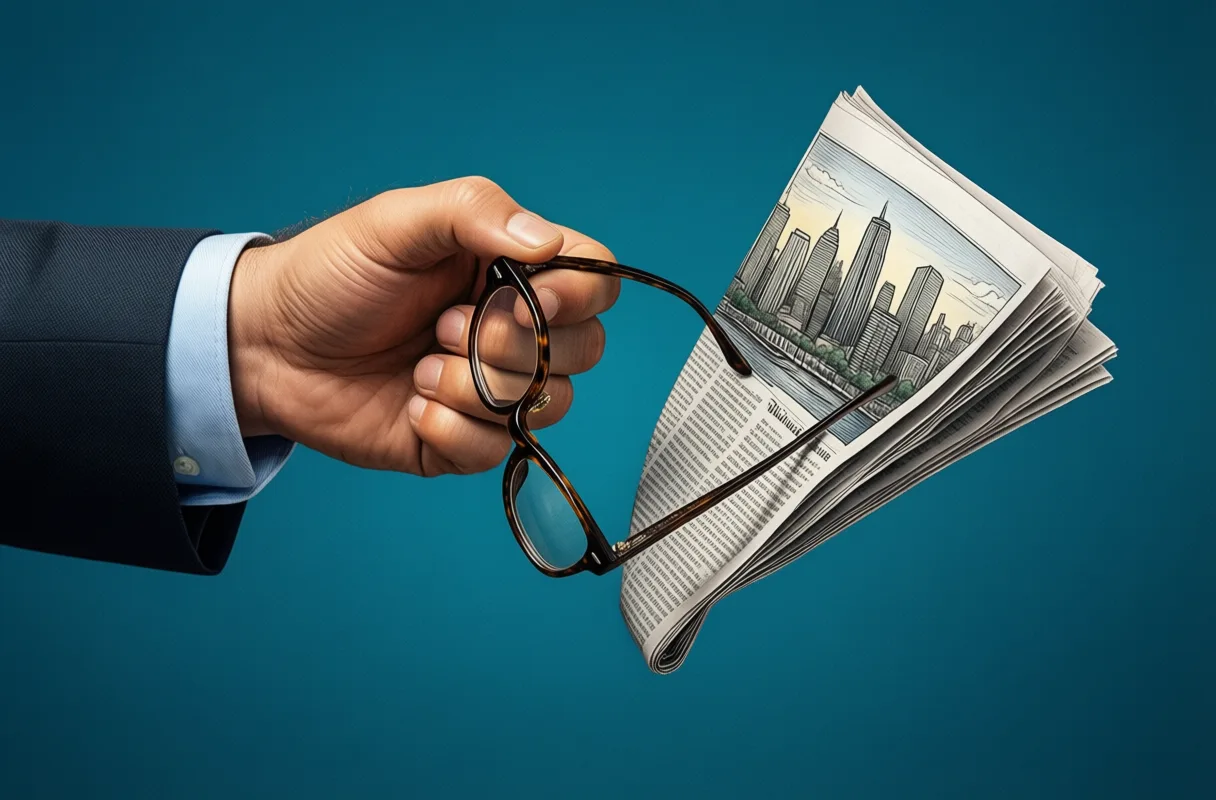
Common Misconceptions About Choosing the Right Fit
“Bigger Frames = More Style”
Not necessarily. Oversized doesn’t mean ill-fitting. A frame should sit flush with your face, not drape over your temples or pinch your nose. Proportions matter-what looks bold on one face can look clownish on another.
Size is about balance, not volume. A well-fitted frame enhances your features; a too-big one overwhelms them. Think of it like volume on a speaker-turn it up too high, and the music distorts.
Always prioritize fit over fashion. You can always find a stylish frame that fits-no need to sacrifice one for the other.
“Eyeglasses Are Just for Reading”
Wrong. Your glasses are part of your daily uniform, not a closet afterthought. They interact with your grooming, your outfits, even how you’re perceived in meetings or on dates. They’re not hidden-they’re highlighted.
The right pair can sharpen your gaze, soften your expression, or add an air of quiet intelligence. They’re not correcting your vision-they’re refining your image.
And in a world where first impressions are made in seconds, that kind of control is priceless.
“Expensive Means Better”
Not always. Price can reflect materials, craftsmanship, and brand heritage-but it can also reflect marketing. A $600 frame might be excellent, but so might a $200 one from a direct-to-consumer brand with no retail markup.
What matters is how it’s made, how it fits, and how it ages. A well-constructed acetate frame from a reputable maker will outlast a trendy designer pair with flimsy hinges.
Do your homework. Try before you buy. And never assume that cost equals quality-especially when it comes to something you wear every day.
How Face Shape Influences Frame Harmony
Round Faces
Angular frames-rectangles, squares, or geometrics-add definition and break up softness. Avoid round-on-round; it’s like stacking donuts. Instead, aim for contrast.
Frames with higher bridges or prominent top lines draw the eye upward, creating vertical balance. Think of it as optical illusion tailoring.
Stay away from small frames-they make your face look larger. Go bold, go sharp, go wide.
Square Faces
Soften strong jawlines with rounder or oval shapes. These frames introduce curves where there are already angles, creating harmony. The round reinvented or classic aviator works beautifully.
Avoid boxy, heavy-bottomed frames-they amplify what’s already dominant. You’re not trying to look like a building.
Opt for frames that are slightly wider than your face to maintain proportion. Balance is everything.
Oval Faces
You’re the lucky ones. Most shapes work. You can experiment with bold styles-cat-eyes, geometrics, oversized squares-because your face provides a neutral canvas.
That said, don’t go too small. Even with ideal proportions, tiny frames can look lost. Aim for frames that complement, not shrink.
Use this advantage to express personality. Your face is the frame-now pick the right frame for it.
Heart-Shaped Faces
Wider at the forehead, narrower at the jaw-balance this with frames that are equal to or wider at the bottom. Clubmasters or bottom-heavy rectangles are ideal.
Avoid top-heavy styles that exaggerate the forehead. You’re not trying to look like a triangle.
Round or oval frames also work, as long as they don’t pinch at the temples.
Practical Tips for Styling Glasses Beyond the Mirror
Your glasses don’t exist in isolation-they’re part of a system. Match the weight of your frames to the weight of your wardrobe. A thick acetate pair with a lightweight linen shirt? That’s a mismatch. But with a wool blazer? Perfect.
Pay attention to temple details. A flash of color, a subtle engraving, or a unique hinge can be a conversation starter. It’s like a watch with a custom strap-small, but meaningful.
And when you take them off, where do they go? A leather case isn’t just protection-it’s part of the ritual. Tossing your glasses on the table says one thing; placing them in a case says another.
Pair them with your grooming. A well-trimmed beard, clean hairline, and sharp side part all interact with your frames. Glasses highlight your eyes-make sure the rest of your face is ready for the spotlight.
Even your watch matters. A chunky dive watch with thin metal frames? That’s a style clash. A minimalist timepiece with bold acetate? That’s cohesion.
And don’t forget the lenses. Anti-reflective coating isn’t just functional-it keeps people from staring at glare instead of your eyes. Clear vision, clear impression.
Finally, own them. Don’t push them up your nose every five seconds. Adjust once, then commit. Confidence isn’t in the frame-it’s in how you wear it.
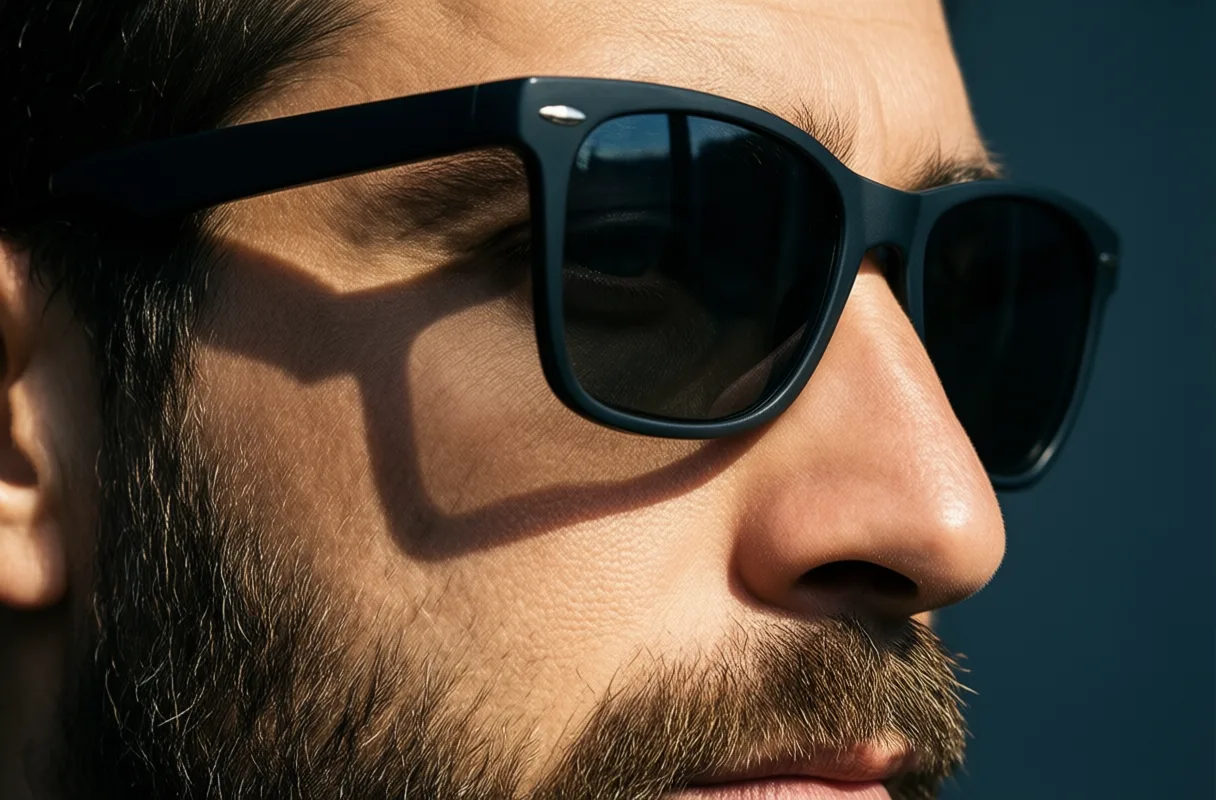
Where Function Meets Fashion: Durability Without Sacrificing Aesthetic
A great-looking frame is useless if it snaps in your pocket. The best designs marry form and function-like a Swiss watch or a Japanese chef’s knife. They look good because they’re built right.
Look for seven-barrel hinges-more rivets mean more durability. Spring hinges are great for flexibility, but only if they’re built into a solid frame. Flimsy metal with a spring? That’s a ticking time bomb.
Nose pads should be adjustable and made from silicone or acetate-not cheap plastic that cracks. They’re the foundation of comfort, and comfort is non-negotiable.
And don’t overlook the finish. Matte coatings resist scratches better than high-gloss, and brushed metals hide wear over time. You want your glasses to age gracefully, not look beat up.
A well-made frame should feel solid in your hand-no creaks, no wobbles, no misaligned screws. If it feels cheap when you pick it up, it will feel worse after a month of use.
Invest in quality. You’ll wear these more than your shoes, your belt, maybe even your watch. Make sure they can keep up.
The Final Touch: Coordinating Eyewear With Grooming and Attire
Your glasses should feel like a natural extension of your look-not an add-on. Match the tone of your frames to your wardrobe: warm tortoise with earth tones, cool grey with navy and charcoal, black with monochrome.
If you wear a lot of patterns, go neutral with your frames. Let the shirt or jacket be the statement. If your clothes are simple, let the glasses speak.
And grooming? Keep it tight. Glasses draw attention to your eyes-make sure your brows are shaped, your skin is clear, and your beard (if you have one) is sharp. A messy face with designer glasses is like a luxury car with dirty rims.
Hair matters too. Frames interact with your hairline-especially when you push them up. A clean fade or a well-parted side part keeps the whole look intentional.
Finally, consider the occasion. Your everyday frames should be versatile. Save the bold shapes and colors for creative settings or nights out.
And when in doubt, Joseph A Banks The Master Of Stylish Men’s Fashion knows a thing or two about putting it all together-because real style isn’t just what you wear. It’s how it all fits.
Sharp Specs: Style Secrets Behind Modern Men's Glasses
The Unexpected Origins of the Two-Tone Frame
You’ve probably seen the sleek look: dark frames with light temples or vice versa. This isn’t just a modern design quirk-it’s a nod to practicality. Early 20th-century glasses often used different materials for the front and arms to improve durability and comfort. The contrast wasn’t just stylish; it helped disguise wear and tear on parts that rubbed against clothing or hair. Today, that same contrast adds a subtle edge, turning functional history into a fashion statement.
Round Frames and the Rock Legend Effect
Round glasses didn’t always scream “intellectual chic.” In the 1960s, a certain British musician with a mop of hair and a knack for catchy tunes made them iconic. Suddenly, round specs weren’t just for bookworms-they became symbols of rebellion and creativity. Decades later, that association still lingers, giving any modern man who wears them a touch of countercultural cool, whether he’s coding or composing.
Tortoiseshell That Never Was
The speckled, warm-toned look of tortoiseshell frames? It hasn’t come from real tortoises for a long time. Since animal protection laws took hold, most “tortoiseshell” designs have been crafted from acetate, carefully layered and blended to mimic the natural pattern. The result is a classic look with zero ethical cost-and a surprising variety of tones, from amber to deep chocolate, letting wearers match their frames to their style, not just their face shape. Explore more stories, videos, and creators on Loaded.
Frequently Asked Questions
What are the most popular men's glasses frame shapes in 2025?
The top frame shapes include The Architect, Aviator (Reimagined), Round Reinvented, Clubmaster, Slim Rectangle, Browline, Cat-Eye (For Men), Geometric, and Oversized Square. Each balances modern style with timeless design.
How do face shapes influence eyewear choices?
Angular frames work for round faces to add definition. Round or oval frames soften square faces. Oval faces suit most shapes. Heart-shaped faces look best with bottom-heavy or wide frames to balance proportions.
What materials are best for durable, stylish men's glasses?
Acetate offers rich color depth and ages well. Titanium and beta-alloys provide strength and lightness. Stainless steel and monel are durable, especially in hinges and temples. Quality materials ensure longevity and comfort.
Are expensive glasses always better in quality?
Not always. Price can reflect brand or marketing, not just quality. A well-made $200 frame may outlast a costly designer pair. Focus on construction, fit, and materials rather than price alone.
This article was produced with AI assistance. How Granite Magazine uses AI.
Quinn explores the nuances of men’s fashion and personal care with a focus on timeless elegance and modern practicality. They emphasize sustainable choices, intelligent design, and the psychology behind how men present themselves in evolving social landscapes.