You don’t need a lab coat to know that bad gear ruins a good workout. But most guys still grab whatever’s clean-then wonder why their shorts ride up, their Shirts Cling, and their focus fades by rep ten.
Turns out, the Right activewear Isn’t about looking sharp (though it helps). It’s about moving freely, staying dry, and not feeling like you’re fighting your clothes instead of crushing your goals.
Let’s break down what actually matters when you’re choosing what to Wear-whether you’re lifting, running, or just trying to survive leg day without chafing.
What Men Overlook About Activewear Comfort
Most men treat gym clothes like socks-replace when holey, wash when smelly. But your Training gear Does way more than just cover you. It interacts with your body, your movement, and even your mindset.
Think about it: if your shirt sticks to your back after five minutes on the treadmill, you’re not thinking about pace. You’re thinking about how gross you feel. Comfort Isn’t softness-it’s function. It’s not having to adjust your waistband every time you squat.
When your clothes work With You, you move better, last longer, and actually enjoy the grind. That’s the difference between gear that’s just wearable and gear that’s built to perform.
Why Fabric Choice Makes or Breaks Your Workout
Your skin breathes. It sweats. It stretches. So your clothes should too. Cotton might feel cozy on the couch, but in motion? It turns into a soggy anchor. Once cotton gets wet, it stays wet-and that means extra weight, chafing, and zero temperature control.
Performance fabrics are engineered to handle what your body throws at them. They dry fast, resist odor, and bounce back after every wash. The best ones feel light but tough-like athletic armor.
You want materials that manage moisture before it becomes a problem. Not all synthetics are equal, but the good ones disappear on your skin. You forget you’re wearing them-which is exactly the point.
- Look for fabrics labeled as quick-dry or moisture-wicking
- Avoid 100% cotton for anything intense
- Pay attention to how it feels when stretched-shouldn’t pull tight
The Science of Sweat-Wicking Materials
Sweat-wicking doesn’t mean “absorbs sweat.” It means Moves It. These fabrics use tiny channels in the fibers to pull moisture from your skin to the outer surface, where it can evaporate fast. No swampiness. No chill.
This process keeps your core temperature stable. Cold when it’s hot. Dry when you’re pouring. That’s crucial whether you’re grinding through HIIT or holding a long yoga pose.
It’s not magic-it’s design. The fibers are structured to repel water inward and release it outward. Some blends even add antimicrobial properties to fight stink between washes.
And no, “wicking” doesn’t mean you won’t sweat. You will. A lot. But you’ll recover faster, stay cooler, and walk out of the gym feeling fresh-not fried.
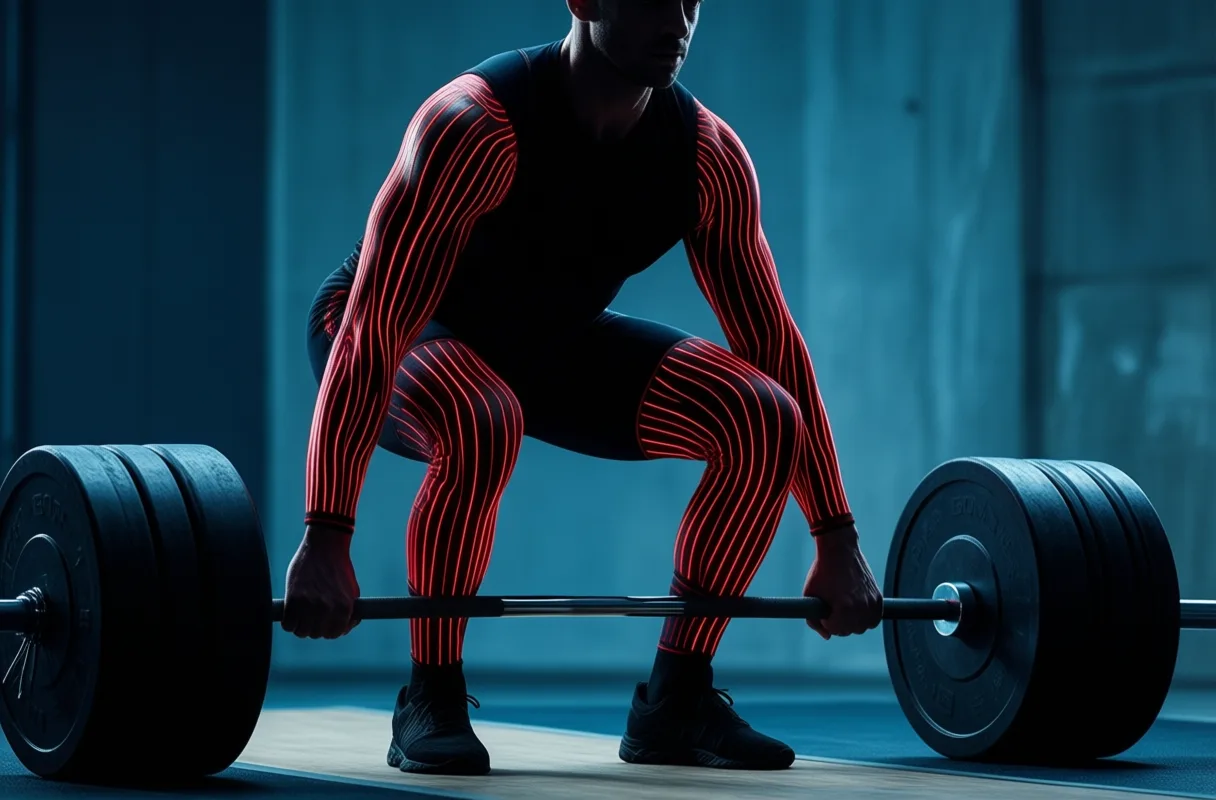
How Fit Affects Function-Not Just Form
A shirt can look killer on the rack but fail the second you raise your arms. That’s because fit isn’t just about size-it’s about cut. Too tight? Restricts blood flow. Too loose? Flaps around like a sail.
The sweet spot is tailored mobility. Think: room where you need it, snug where it counts. Shoulders should align with yours, sleeves shouldn’t pinch, and the hem should stay put during burpees.
Compression gear has its place, but constant squeeze fatigue is real. You want support, not constriction. And remember-muscles swell when you work. Your clothes should adapt, not fight it.
Test the fit by moving. Do a shoulder roll. A squat. A jump. If you feel resistance, it’s not for you. Real performance wear moves like a second skin.
Four-Way Stretch: Why Mobility Matters More Than You Think
You’re not just walking in a straight line. You’re twisting, lunging, reaching, pivoting. That’s why four-way stretch fabric is non-negotiable for serious training.
Unlike basic elastic that only stretches side-to-side, four-way moves front-to-back and diagonal too. It gives with every motion, so you’re never yanking against your own shirt or shorts.
This kind of flexibility prevents strain and lets you hit full range of motion-critical for squats, overhead presses, or sprint drills.
- Great for dynamic movements, not just static poses
- Feels responsive, not loose
- Lasts longer because it rebounds after stress
Without it, you’re basically wearing street clothes with logos. Looks sporty. Performs like junk.
Seam Placement: The Hidden Factor in All-Day Wearability
Seams seem minor-until they rub. And then they Really Matter. Poorly placed stitching can turn a solid workout into a battle with chafing, especially under straps, arms, or inner thighs.
High-quality activewear uses flatlock or bonded seams that lie flush against the skin. No raised ridges. No friction hotspots. You shouldn’t feel them at all.
Look for strategic seam mapping-engineered to avoid high-motion zones. Some brands even shift seams off the shoulders or hips entirely.
It’s the kind of detail you notice only when it’s missing. And trust me, you’ll notice.

Breathable Zones: Targeted Ventilation That Performs
Not every part of your body heats up the same. Your back pours sweat. Underarms go nuclear. Chest heats fast. Smart designs account for this with breathable zones.
These are panels-usually mesh or ultra-thin fabric-placed exactly where airflow is needed most. Think underarms, spine, sides. They don’t compromise structure, but they dump heat like vents in a sports car.
You stay cooler without sacrificing coverage. And unlike fully mesh shirts (which can look cheap), these zones blend in until you need them.
It’s subtle engineering with a real payoff: less overheating, less distraction, more reps.
When Style Compromises Performance (And How to Avoid It)
Let’s be real-guys want to look good. But some styles sacrifice function for flash. Oversized cuts, fashion-forward hoods, or thick branding look cool in selfies but suck in motion.
Hoods flap during sprints. Loose hems get caught in machines. Bulky logos crack and peel. Style should enhance confidence, not hinder movement.
Stick to clean lines, performance-first silhouettes, and minimal branding. The right gear makes you feel powerful-not costumed.
If it looks like it belongs on a runway but not a squat rack, keep walking.
Balancing Durability With Lightweight Design
You want lightweight clothes-but not flimsy ones. There’s a difference between “light” and “fragile.” The best pieces feel airy but hold up to heavy use.
Reinforced stitching, abrasion-resistant zones, and high-tenacity fibers make the difference between gear that lasts months versus years.
And don’t forget the washer. Quality materials survive spin cycles without pilling, fading, or losing shape. Cheap stuff degrades fast-especially with daily wear.
Invest in pieces that can take the abuse. Your laundry bag will thank you.
What to Look for in High-Use Areas Like Knees and Shoulders
Knees drag on floors. Shoulders carry weights. These zones take a beating-so they need extra love. Reinforced knees in training pants? Game-changer. Durable overlays on shoulder seams? Worth it.
Some brands build in subtle padding or double-layer fabric where it matters most. Others use ripstop weaves that resist tears without adding bulk.
You don’t need armor-but you do need resilience. Especially if you’re doing floor work, crawls, or heavy carries.
Check the close-ups. Touch the fabric. If it feels thin where it bends, it won’t last.

The Real Reason Your Shorts Ride Up-And How to Stop It
Chub rub isn’t inevitable. It’s usually bad design. Shorts ride up when the inner thigh fabric lacks grip or the leg opening cuts too high.
Look for anti-ride-up features: silicone grips inside the hem, longer inseams, or blended compression liners. These keep things in place without squeezing your legs like sausages.
Split-leg designs also help-slits on the sides reduce friction and let air in. Pair that with moisture-wicking liner, and you’ve got comfort that lasts.
No more hiking your shorts mid-set. No more awkward adjustments. Just move.
Beyond the Gym: Versatility in Modern Men’s Training Wear
The best workout gear doesn’t quit when you leave the gym. It transitions. A sleek training jacket works for coffee runs. Performance joggers pass for casual wear. A clean, minimalist tee? Fits anywhere.
Versatility saves money and closet space. One solid rotation should handle gym, errands, travel, and low-key hangs.
Materials that resist odor and dry fast are key here. You don’t want to reek after a 10-minute walk. You want to look put-together without changing.
Modern activewear isn’t just for athletes. It’s for guys who live hard and move constantly.
Putting It All Together: Building a Reliable, Comfort-First Rotation
Forget chasing trends. Build a core lineup based on performance, not hype. Start with two or three tops, a pair of reliable shorts, and one solid pair of training pants.
Prioritize fit, fabric, and function in that order. If it passes the movement test, wears well, and survives the wash, it earns a spot.
Rotate smart. Wash properly. Replace only when necessary. The goal isn’t more clothes-it’s better ones.
When your gear disappears and your focus stays sharp, you’ve cracked the code. That’s when comfort becomes power.
| Feature | Purpose | Benefit |
|---|---|---|
| Moisture-wicking fabric | Moves sweat away from skin | Keeps body cool and dry |
| Four-way stretch | Stretches in all directions | Supports full range of motion |
| Flatlock seams | Lie flat against skin | Reduces chafing and friction |
| Breathable zones | Targeted mesh panels | Improves airflow where needed |
| Reinforced knees/shoulders | Extra durable fabric in high-wear areas | Increases longevity of garment |
| Anti-ride-up design | Silicone grips or longer hems | Keeps shorts in place during movement |
What You Didn’t Know About Workout Wear
The Science Behind the Stretch
Ever wonder why your favorite gym shirt feels so light and dries in a flash? A lot of modern men's athletic wear uses synthetic fabrics like polyester and nylon, chosen specifically because they wick moisture away from the skin. This helps regulate body temperature during intense sessions, keeping you cooler and more comfortable than cotton, which tends to soak up sweat and stay wet. Many performance blends also include a bit of spandex or elastane-usually around 5%-to give clothes that barely-there stretch needed for deep squats or overhead presses without losing their shape over time.
From Runways to Reps
Believe it or not, some fitness fashion trends started far from the squat rack. The rise of “athleisure” pushed gym clothes into everyday life, making stylish performance wear socially acceptable outside the gym. This shift encouraged brands to focus not just on function, but on clean cuts, modern fits, and subtle branding-so your training shorts can transition smoothly from the weights floor to grabbing coffee. Bright colors and bold patterns, once rare in men’s activewear, are now common, giving guys more ways to express personal style without sacrificing breathability or movement.
Small Details, Big Difference
Look closer at your workout gear and you might spot thoughtful touches that boost performance. Flatlock seams reduce chafing during long workouts, while mesh-lined ventilation zones help airflow where you need it most-like under the arms or down the sides. Some shorts even feature built-in liners that eliminate the need for extra underwear, cutting down on bulk and friction. These aren't gimmicks; they’re practical upgrades born from real athlete feedback and hours of testing across different types of movement, from running to lifting to yoga. Explore more stories, videos, and creators on Loaded.
Frequently Asked Questions
Why should men avoid cotton for intense workouts?
Cotton absorbs sweat and stays wet, becoming heavy and causing chafing. It offers no temperature control, making it a poor choice for intense activity.
What is the benefit of four-way stretch fabric in workout clothes?
Four-way stretch moves front-to-back and side-to-diagonal, supporting full range of motion. It prevents strain during dynamic movements like squats and lunges.
How do sweat-wicking materials work?
They use tiny fiber channels to pull moisture from the skin to the outer surface for fast evaporation. This keeps the body dry and temperature stable.
What causes gym shorts to ride up, and how can it be prevented?
Shorts ride up due to high leg openings or lack of grip. Features like silicone hems, longer inseams, and split-leg designs prevent this issue.
This article was produced with AI assistance. How Granite Magazine uses AI.
Tobin covers physical performance, mental resilience, and daily habits that shape a disciplined yet balanced life. He tests gear, decodes training trends, and interviews experts to deliver actionable insights without dogma.