It was a Tuesday afternoon in a downtown coffee shop when James, a 34-year-old architect with a penchant for Tailored jackets And vintage watches, realized his look was missing something. His outfit was sharp, his cologne subtle but present, and yet-there was a disconnect. It wasn’t until he swapped out his old, scratched frames for a sleek new pair that the room seemed to notice him differently. That’s the quiet power of well-chosen eyewear: it doesn’t just correct your vision, it recalibrates how the world sees you.
For modern men who care about presence, precision, and personal style, prescription glasses have quietly evolved from medical necessity to Essential style statement. No longer just functional, today’s frames are designed with the same intention as a bespoke suit or a limited-edition sneaker-meant to reflect character, confidence, and a touch of rebellion against the ordinary.
The Quiet Revolution of Men’s Eyewear
Gone are the days when prescription glasses were an afterthought, hidden in a pocket or tolerated as a flaw. Today, they’re front and center in the way men present themselves-especially in professional and social settings where first impressions matter. The shift didn’t happen overnight. It grew from a cultural redefinition of masculinity, where intelligence, attention to detail, and self-care are now seen as strengths, not softness.
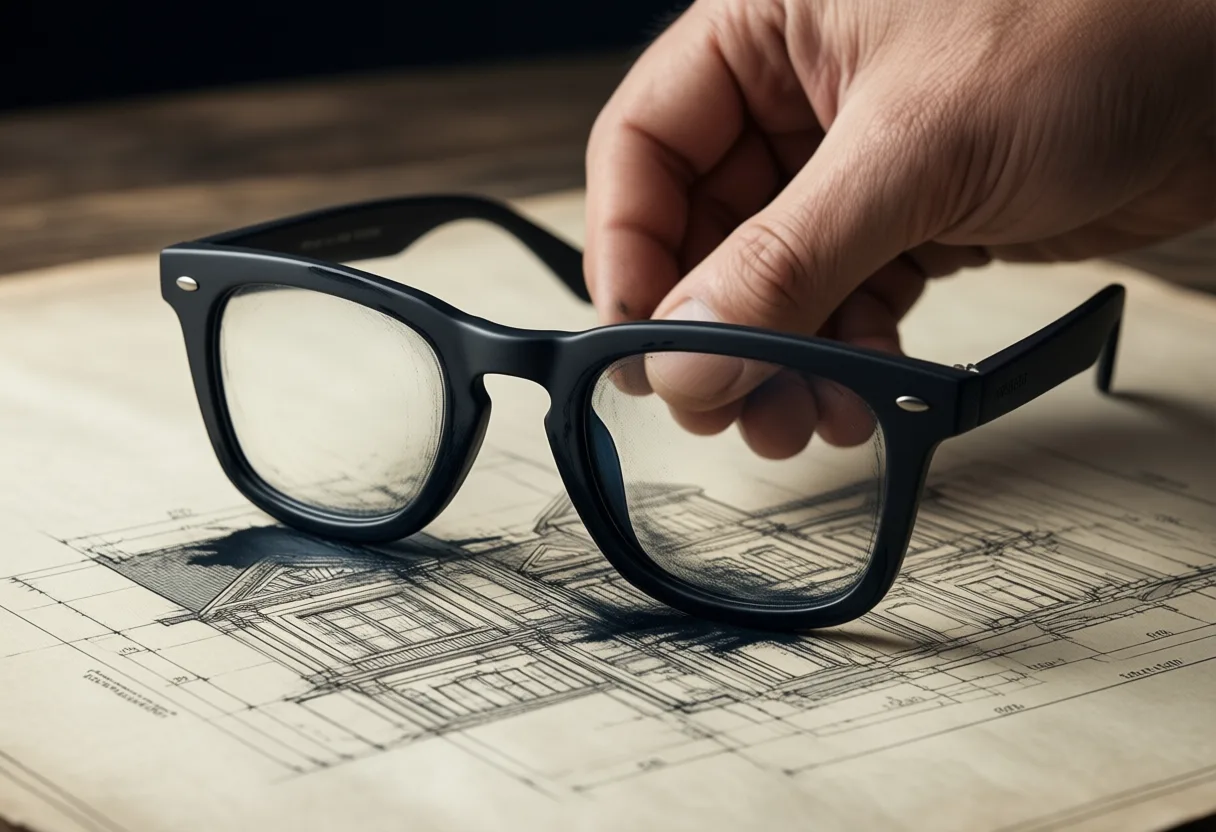
Men aren’t just Wearing glasses To see better-they’re wearing them to be seen. A well-fitted frame can balance facial features, add symmetry, and even create the illusion of sharper jawlines. Designers have caught on, crafting frames that blend minimalist architecture with bold materials like acetate, titanium, and hand-polished wood. These aren’t your dad’s thick black rectangles. They’re Sculptural, intentional, and often conversation-starting.
And let’s be honest: there’s a certain magnetism that comes with a man who wears his glasses like they’re part of the uniform. Think of the effortless charm of a guy leaning back in a leather chair, adjusting his frames before delivering a sharp observation. It’s not just about looks-it’s about the aura of control, of someone who sees the world clearly and isn’t afraid to shape how the world sees him.
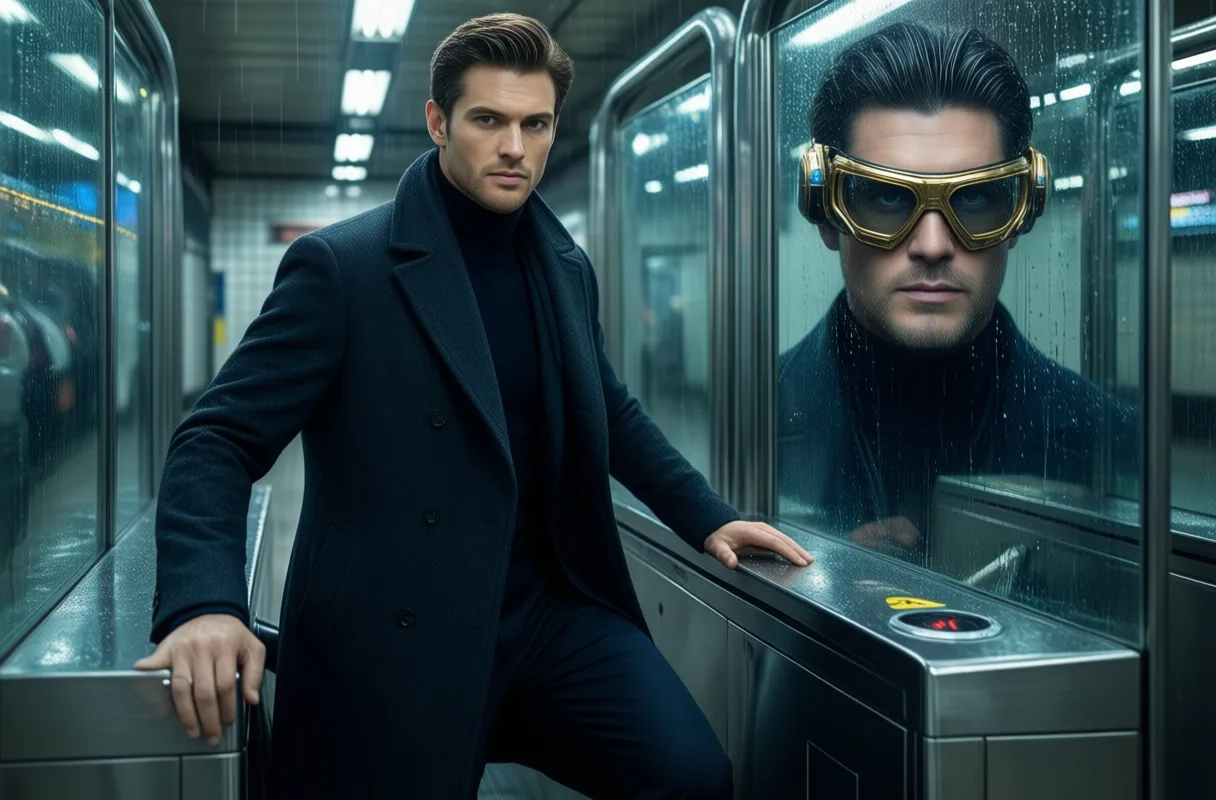
How to Choose Frames That Work for Your Face-and Your Life
Picking the right pair of glasses isn’t about chasing trends. It’s about Alignment-between your face shape, your lifestyle, and the image you want to project. A guy who closes million-dollar deals needs a different energy than the creative director sketching ideas in a notebook, and your frames should reflect that.
Start with face shape. Round faces benefit from angular frames that add definition. Square jaws can soften with round or oval lenses. Oval faces? Lucky you-you can pull off almost anything. But don’t stop there. Think about where you wear them most. Office environments often call for refined, understated designs-think thin metal rims or matte finishes. For evenings out or creative fields, bolder choices like tortoiseshell, double bridges, or colored accents can set you apart.
Material matters, too. Acetate is durable and rich in color, ideal for making a statement. Titanium is featherlight and corrosion-resistant-perfect for guys always on the move. And hybrid frames? They give you the best of both worlds: strength and style. The key is fit. A frame should rest comfortably on your nose, not slide down or pinch your temples. If it’s constantly adjusting, it’s not working for you-no matter how expensive it looks.
Beyond the Lens: Glasses as a Lifestyle Accessory
Let’s talk about the unspoken truth: Great glasses don’t just improve your vision-they improve your confidence. There’s a subtle shift that happens when you wear a pair that feels like You. You stand a little taller. You make more eye contact. You own the room a little more.
That’s why the best-dressed men treat their eyewear like any other luxury item. They don’t buy five pairs at once from a discount site. They invest in one or two standout pieces-curated, high-quality, and timeless. They clean them regularly. They store them properly. They understand that a smudged lens or bent arm undermines the whole effect.
And let’s not forget the social edge. A unique frame can be a natural icebreaker. “Where’d you get those?” Is a compliment that opens doors-literally and figuratively. Whether you’re at a gallery opening, a rooftop bar, or a pitch meeting, the right glasses can signal that you pay attention to detail without saying a word.
The Future of Men’s Prescription Eyewear
The next wave of men’s glasses isn’t just about aesthetics-it’s about integration. We’re seeing smarter designs with built-in blue light filters, adjustable nose pads for custom fit, and even modular frames that let you swap temples like watch straps. The goal? Seamless performance and personalization.
Brands are also leaning into sustainability, using recycled materials and ethical production methods. For the modern man who values both style and substance, this is a win. You don’t have to sacrifice principles for polish.
And as vision health becomes more central to overall wellness-especially with screen time at an all-time high-prescription glasses are no longer a backup plan. They’re a proactive choice. A tool. A signature.
So the next time you’re updating your wardrobe, don’t overlook the pair on your face. Because in a world full of noise, the right frames don’t just help you see clearly-they help you be seen.
More Than Just Clear Vision
A Look Back at Lens Legends
Did you know that the earliest wearable eyeglasses showed up in Italy around the 13th century? They didn’t have temples (the arms that go over your ears) and were more like balance beams perched on the nose. Fast forward to the 18th century, and Benjamin Franklin got tired of switching between reading and distance glasses-so he invented bifocals by cutting the lenses in half and combining them. Talk about a smart fix! For years, glasses were purely functional, often seen as a sign of age or weakness, but that started shifting in the mid-20th century when Hollywood icons began sporting bold frames on screen.
Style That Stands the Test of Time
Round frames made famous by John Lennon in the 1960s are still a go-to for a laid-back, intellectual vibe, while the squared-off aviators worn by Tom Cruise in Top Gun Sparked a wave of military-inspired eyewear. The 1980s brought oversized plastic frames into the spotlight, and today’s styles often borrow from that bold era with updated proportions. Titanium frames, first introduced in the 1980s, changed the game-light as a feather and tough as nails, they made high-end glasses more comfortable without sacrificing durability. And while plastic frames dominate the Fashion scene, metal designs with subtle detailing continue to appeal for their minimalist strength.
Small Details, Big Impact
Ever noticed how some lenses have a faint blue or green tint when you tilt them? That’s an anti-reflective coating doing its job, cutting glare so your eyes don’t work overtime. Some modern frames are designed with spring hinges-tiny built-in flex points that let the arms bend outward without breaking, perfect for active lifestyles or accidental drops. And here’s a fun one: the standard size for men’s frames wasn’t always standardized. It wasn’t until mass production took off in the 20th century that sizing became consistent, making it easier to buy online or swap styles without a fitting nightmare. Explore more stories, videos, and creators on Loaded.
Frequently Asked Questions
How do prescription glasses impact a man's personal style?
Prescription glasses have evolved from a medical necessity to an essential style statement, reflecting character, confidence, and attention to detail. They can enhance facial features and project an aura of control and clarity.
What should men consider when choosing frames for their face shape?
Round faces benefit from angular frames, square jaws from round or oval lenses, and oval faces can wear almost any style. Fit, lifestyle, and desired image also play key roles in frame selection.
What materials are commonly used in modern men's prescription glasses?
Common materials include acetate for rich color and durability, titanium for lightness and strength, and hybrid frames that combine both. Hand-polished wood and metal with subtle detailing are also used.
How has the cultural perception of men wearing glasses changed over time?
Glasses are no longer seen as a flaw or sign of weakness. They are now embraced as a symbol of intelligence, self-care, and style, influenced by cultural shifts and iconic figures in film and music.
This article was produced with AI assistance. How Granite Magazine uses AI.
Rhea examines the intersection of professional ambition and cultural identity, spotlighting how modern men navigate purpose, ethics, and growth. Her work blends narrative depth with sociological insight across industries and life stages.