Style isn’t just clothes. It’s armor, attitude, and the first thing people notice before you even speak.
For decades, what Men wear Has mirrored how they live-bolder, faster, more intentional. And right now? We’re in a golden era where a $500 jacket can sit next to vintage Levi’s like they were made for each other.
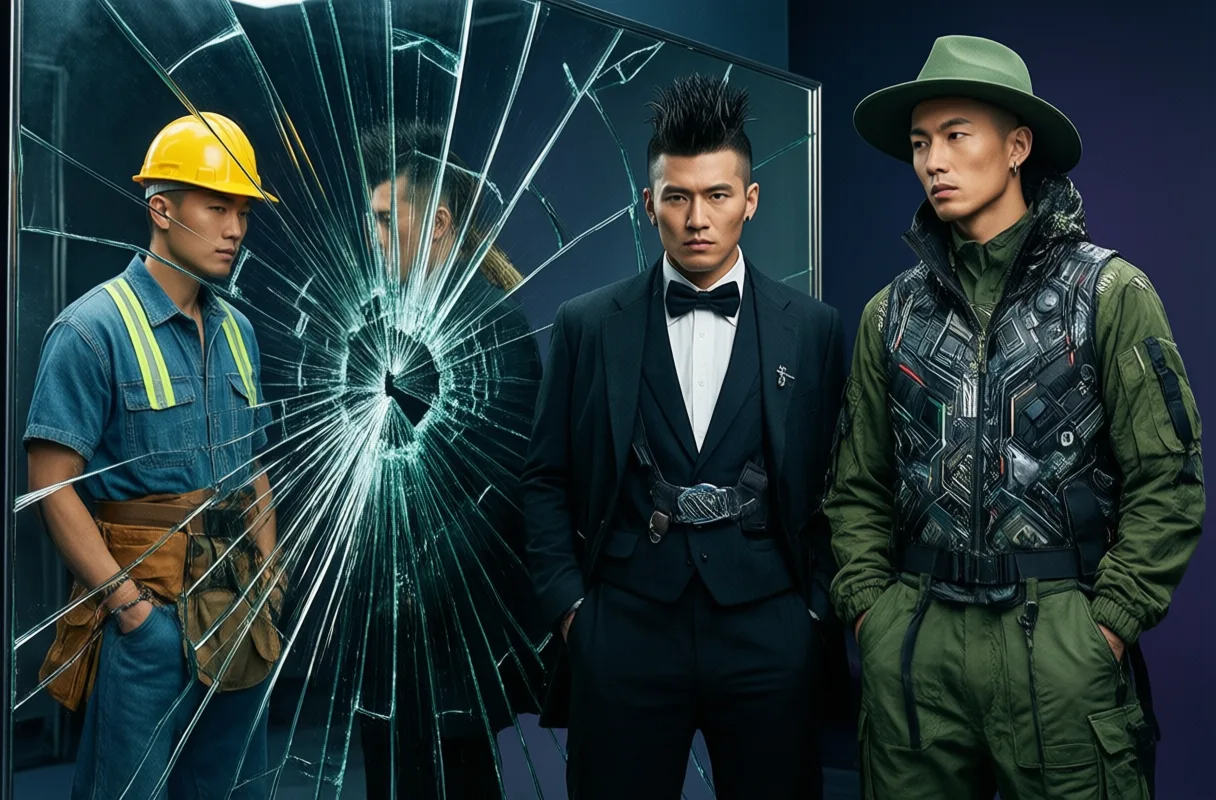
From Suits To Streetwear: How Men’s Style Got Its Groove Back
Gone are the days when “dressing well” meant one thing: a navy suit, oxford shoes, and a tie knotted tight enough to raise your blood pressure. Today’s man doesn’t just choose clothes-he curates them. A tech founder might roll into a boardroom in a Tailored knit Blazer with no tie, then hit the gym in performance joggers that cost more than most people’s weekly groceries.
The modern wardrobe is a mix of function, flair, and confidence.
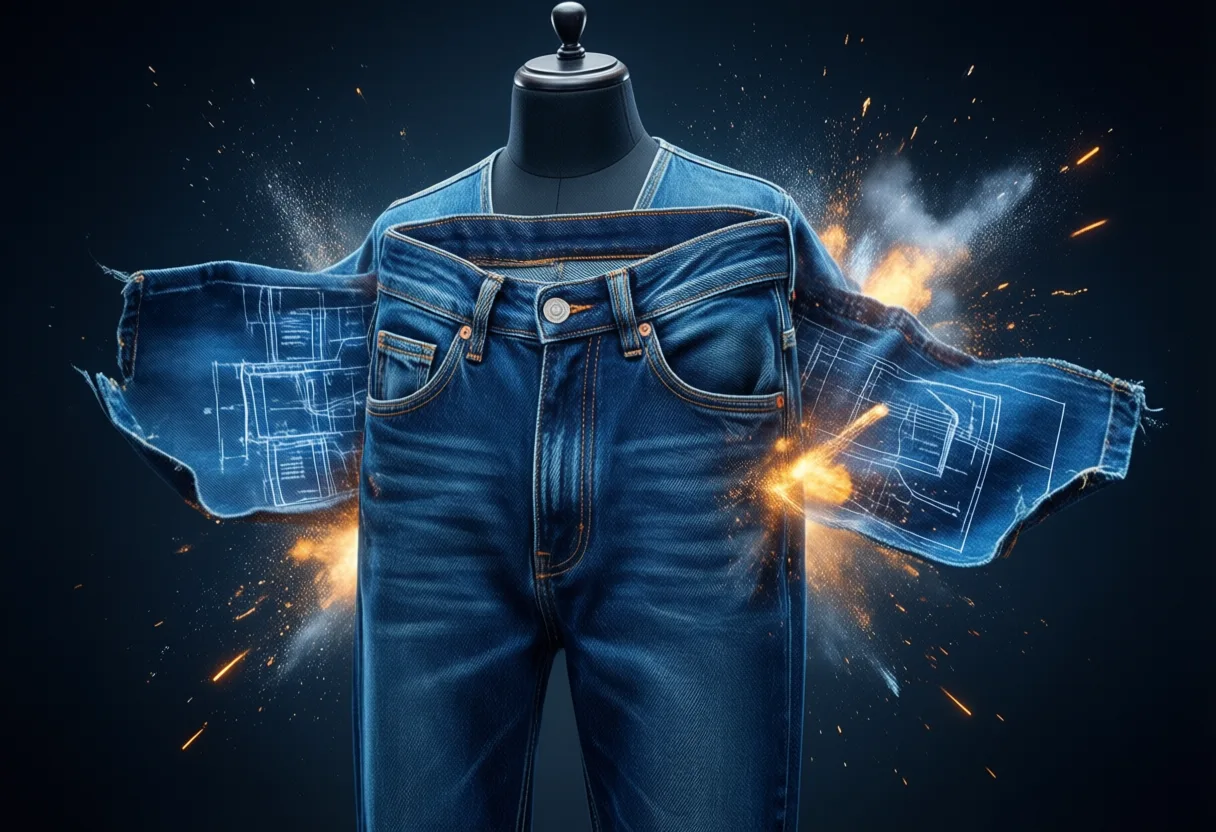
It’s not about following rules-it’s about knowing which ones to break. Think about it: fifty years ago, jeans were workwear. Now? They’re status symbols. Denim from Japan, raw selvedge, hand-stitched hems-you don’t need to know all the jargon to feel the difference.
Streetwear exploded into High fashion Like a sneakerhead crashing a gala. Hoodies at Paris Fashion Week? Check. Limited drops selling out in seconds? Standard. This shift didn’t happen overnight. But once guys realized they could look sharp without feeling stiff, there was no going back.
- Tailoring still matters-but it’s looser, lighter, less rigid
- Athleisure went from “I’m late to yoga” to “I own three Pelotons”
- Logos aren’t trying too hard-they’re power moves
And let’s talk color. Remember when black, gray, and navy ruled everything? Now? Pretty Pink In: Why This Color Is Taking Over Fashion is real-and no, your eyes aren’t playing tricks. It’s subtle. Sophisticated. Not millennial pink. More like Power Pink. Worn right, it says you’re confident enough to stand out without screaming for attention.
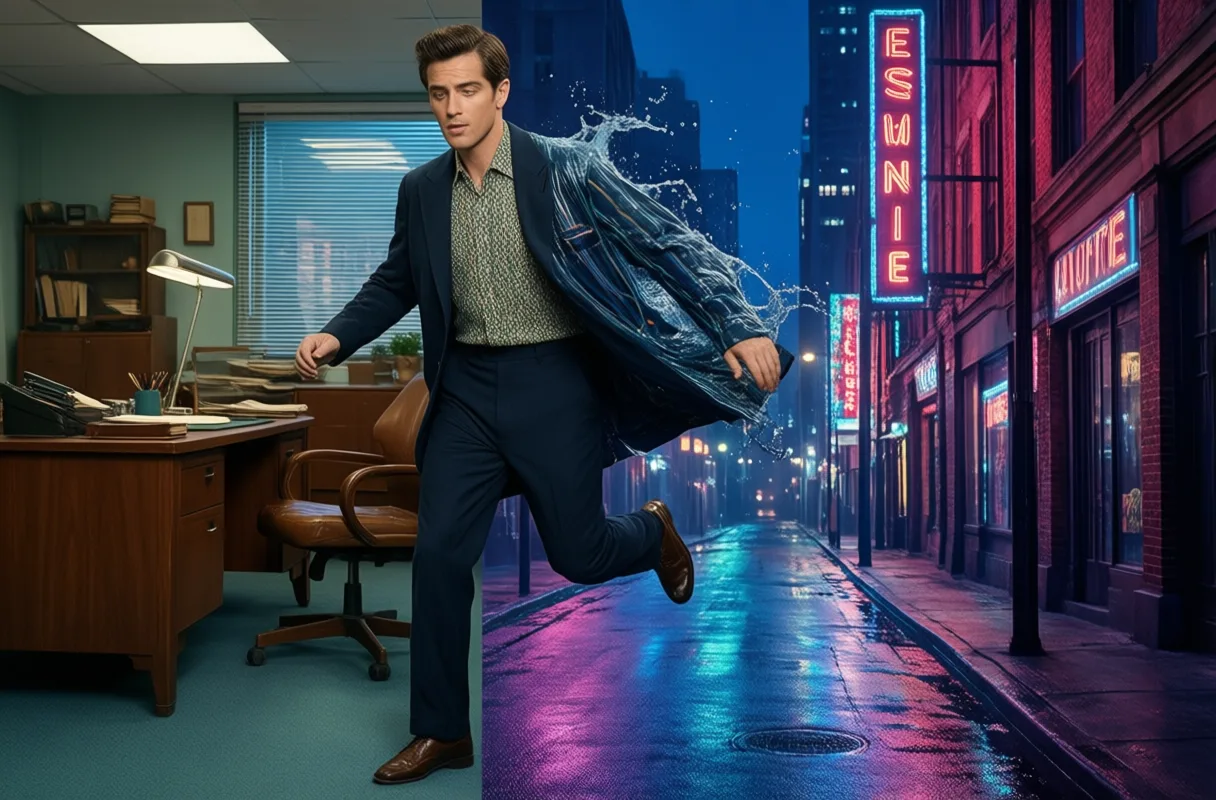
The Tailoring Titans: Who Shaped Modern Menswear
Some names stick around because they got lucky. Others? Because they redefined the game. One of those quiet giants is Joseph A Banks The Master Of Stylish Men’s Fashion, a brand that never chased hype but built a reputation on fit, fabric, and consistency. While flash-in-the-pan labels burned out after one viral moment, Joseph A. Banks stayed steady-like your dad’s favorite watch that still ticks after thirty years.
These aren’t runway shock artists. They’re builders. The kind of designers who obsess over shoulder padding thickness or how a trouser breaks at the ankle. Their influence isn’t loud-it’s felt. When your shirt fits perfectly across the shoulders without pulling, that’s their legacy. When your suit drapes instead of clings? That’s decades of refinement.
We often forget that style evolution isn’t always radical. Sometimes it’s a half-inch narrower lapel. A slightly higher armhole. These micro-changes add up until one day you realize the suits from 2005 look Off-too boxy, too shiny, too much.
- Classic tailoring survived because it adapts-not resists
- Fit beats fabric every time (but great fabric? Chef’s kiss)
- Confidence comes from comfort, not costume
Today’s best-dressed guys blend old-school precision with modern ease. A double-breasted coat with tapered pants. A turtleneck under a unstructured blazer. No costume changes needed-just smart choices layered like a pro.
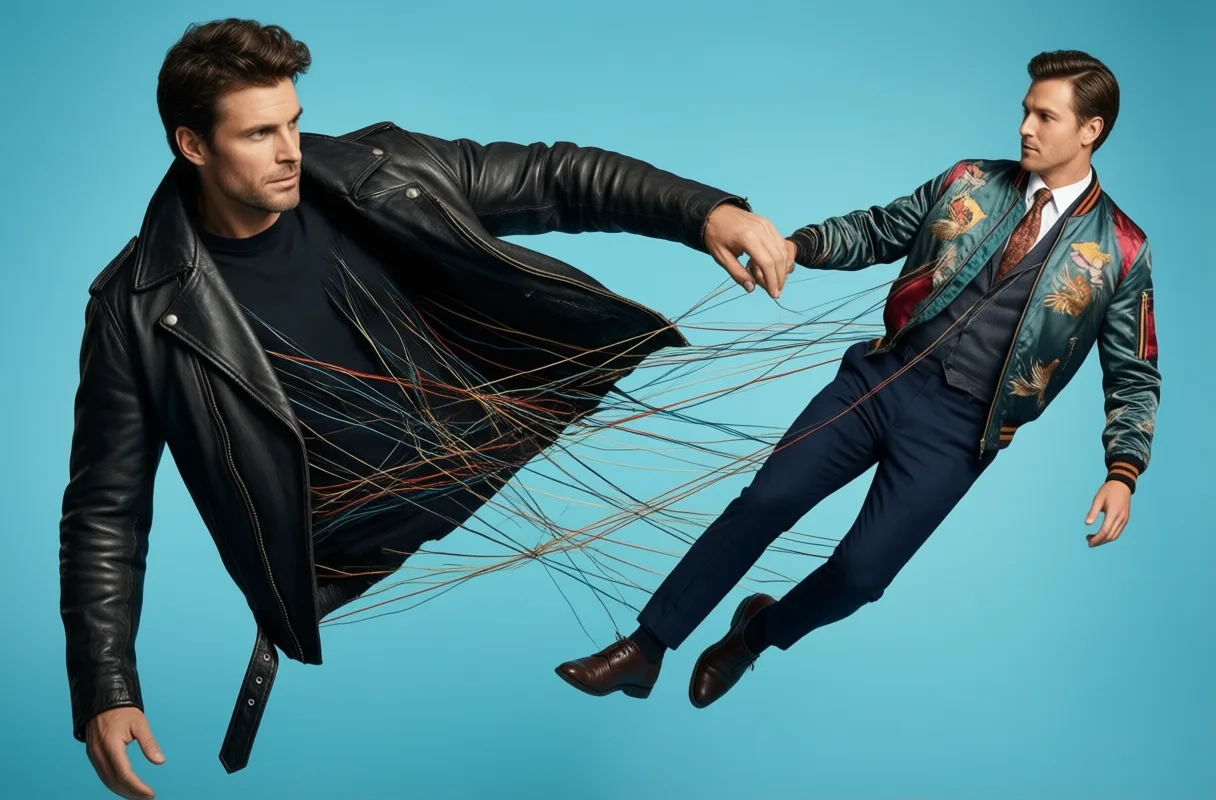
What’s Next? Where Men’s Fashion Is Headed
Let’s get one thing straight: nothing truly new happens in fashion. It all recycles. Wide legs? Seen in the ‘70s, dead in the ‘90s, reborn today. Chunky shoes? Same deal. But the difference now is speed. Trends don’t simmer-they ignite. One TikTok clip and suddenly everyone’s wearing hiking boots with suits.
Sustainability isn’t a buzzword anymore-it’s a filter. Guys care where things come from. Not because they’re suddenly eco-warriors, but because cheap crap doesn’t last. And ambitious men hate replacing stuff. So they invest. Organic cotton, recycled wool, transparent supply chains-these aren’t sacrifices. They’re upgrades.
Technology’s creeping in too. Fabrics that breathe, stretch, repel stains, even regulate temperature. Imagine a dress shirt that feels like a tee but looks like it cost four figures. That’s not sci-fi-that’s on shelves now.
- Versatility wins: one piece, ten ways to wear it
- Comfort isn’t lazy-it’s smart design
- Personal style beats trend-chasing every single time
The future of men’s fashion isn’t about dressing for approval. It’s about expressing who you are-without saying a word. Whether you’re closing deals or catching sunsets, your clothes should move with you, not hold you back.
So take risks. Try the unexpected. Wear the pink. Own the fit. Because style isn’t inherited-it’s earned.
Style Through the Decades
From Powdered Wigs to Pocket Squares
Back in the 1700s, European gentlemen weren’t above a little flair-powdered wigs, knee-length breeches, and silk stockings were standard court attire. Fast forward to the 1800s, and men traded lace cuffs for the birth of the modern suit, thanks to Beau Brummell, a dandy who championed clean lines, tailored coats, and spotless linen over gaudy decoration. His influence quietly reshaped men’s fashion, proving simplicity could be powerful.
The Suit Revolution and Casual Shifts
The 20th century saw the suit become a symbol of status and conformity-but also subtle rebellion. In the 1920s, wide-legged Oxford bags gave young men room to dance the Charleston without restriction. Post-World War II, the zoot suit emerged as a bold cultural statement, with exaggerated shoulders and long coats, embraced by African American and Latino communities despite government attempts to ban its extravagant fabric use during wartime rationing.
Denim took a surprising journey too. Originally durable workwear for miners and cowboys, jeans morphed into youth rebellion gear by the 1950s, thanks to icons like James Dean. By the 1980s, designer labels slapped logos on waistbands, turning blue jeans into luxury items. Meanwhile, the humble t-shirt, once worn only as an undershirt, became a canvas for self-expression-sporting band logos, slogans, or bold graphics that turned chests into conversation starters. Explore more stories, videos, and creators on Loaded.
Frequently Asked Questions
How has men's fashion evolved from the past to today?
Men's fashion has shifted from rigid suits and formal wear to a blend of tailoring and streetwear. Today's style emphasizes comfort, versatility, and personal expression. Function and flair now coexist in wardrobes.
Why is pink becoming popular in men's fashion?
Pink is being worn as a subtle, confident choice-not loud, but sophisticated. It signals individuality without drawing excessive attention. It’s referred to as 'power pink,' reflecting modern confidence.
What role does tailoring play in modern men's fashion?
Tailoring remains important but has evolved to be looser and more comfortable. Fit is prioritized over rigid formality. Well-tailored pieces drape naturally and enhance confidence through comfort.
How did denim become a staple in men's fashion?
Denim started as workwear for miners and cowboys. It became a symbol of youth rebellion in the 1950s. By the 1980s, designer branding turned jeans into luxury fashion items.
This article was produced with AI assistance. How Granite Magazine uses AI.
Tobin covers physical performance, mental resilience, and daily habits that shape a disciplined yet balanced life. He tests gear, decodes training trends, and interviews experts to deliver actionable insights without dogma.