
Why Linen Dominates Summer Style Conversations
When the air thickens and your collar starts to cling, linen doesn’t whisper-it calls your name. It’s the fabric that shows up to the party early, drinks iced water, and Somehow still Looks relaxed while everyone else is sweating through their third shirt.
Men have worn linen for centuries not because it photographs well, but because it works. It breathes like a slow exhale, wicks moisture like a second skin, and carries itself with a quiet confidence that says, “I didn’t come here to suffer.” In the hierarchy of summer fabrics, linen sits at the top-not by marketing, but by physics.
It’s not just about staying cool. It’s about moving through heat without apology. Whether you're walking the boardwalk or closing a deal in a glass-walled office, Linen adapts-not by pretending to be something it’s not, but by embracing what it is: natural, honest, and effortlessly commanding.
The Science Behind Linen’s Cool Comfort
Linen is made from the fibers of the flax plant, one of the strongest natural fibers known to man. That strength translates into durability, but more importantly, into performance when the temperature climbs.
The fibers are hollow at the core, creating tiny channels that pull moisture away from the skin and allow it to evaporate quickly. This isn’t marketing fluff-it’s Capillary action, nature’s version of climate control. The result? A fabric that feels dry even when the humidity hits 90%.
Unlike synthetic blends that trap heat and cling, linen stays light and airy. It doesn’t just feel cooler to the touch-it actually reduces the microclimate between your body and the fabric. Add in its ability to absorb up to 20% of its weight in moisture before feeling damp, and you’ve got a textile that’s practically engineered for survival in the dog days.
How to Wear Linen Without Looking Too Casual
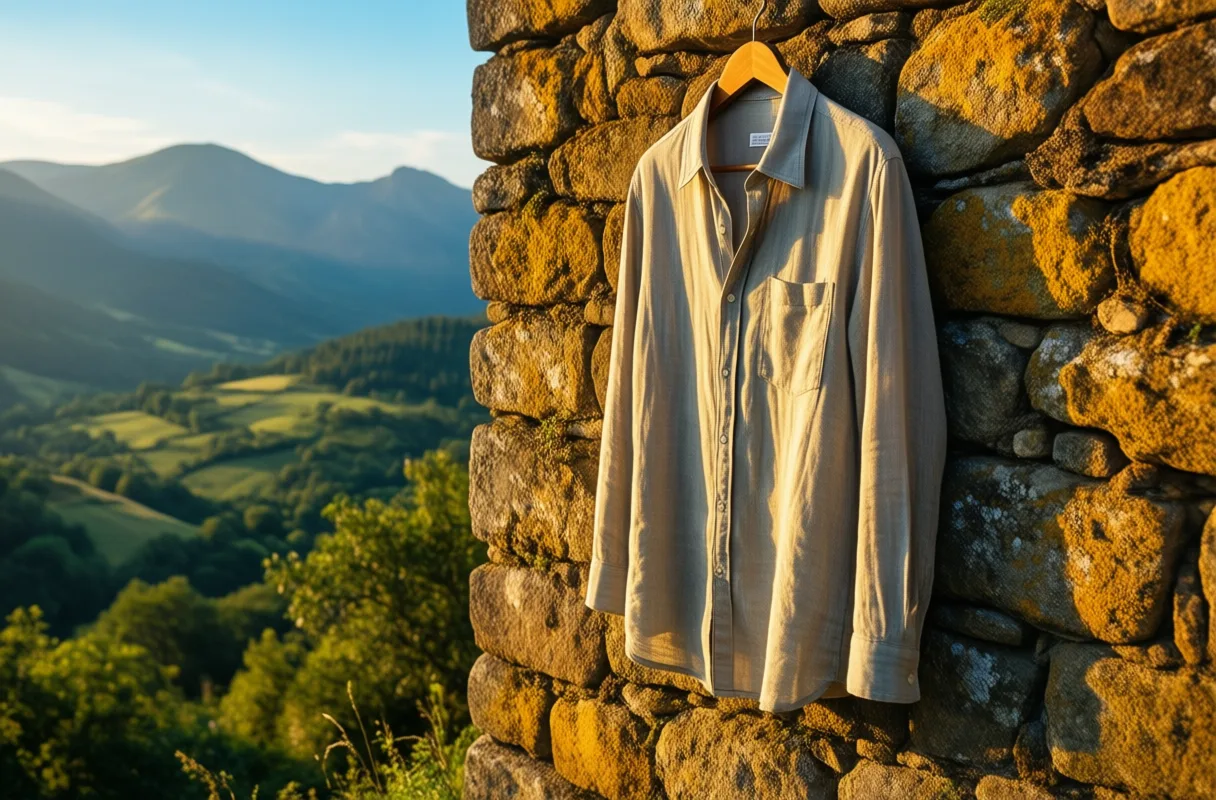
Linen has a reputation for looking “lived in,” which can be a virtue-or a liability. The key is intentionality. A rumpled linen shirt on a beach is romantic. The same shirt at a rooftop dinner can read as careless if not balanced.
Start with fit. Oversized is forgiving, But tailored Is commanding. A slightly relaxed cut with clean lines keeps the ease of linen without sliding into slob territory. Think of it like jazz-improvised, but composed.
Colors matter too. Earth tones-oat, sand, slate, olive-ground the look. Pair them with structured footwear: leather sandals, minimalist sneakers, or even suede loafers. A watch with a clean face and a well-trimmed beard go further than you’d think.
- Stick to one linen piece if you're unsure
- Avoid head-to-toe unless you're on a yacht
- Roll sleeves once, never twice-precision over rebellion
Linen Shirts: From Beach to Boardroom
A great linen shirt is the Swiss Army knife of summer wardrobes. Worn open over a tee with shorts? Effortless. Buttoned, untucked, with chinos? Sharp without trying. Tucked into tailored trousers with a belt? You’re in the room.
The fabric’s texture gives it presence-It doesn’t disappear on the body. That means even a simple design carries weight. Look for shirts with minimal detailing: no pocket flaps, no pleats, clean collars.
Button-downs in pale blue or white are classics for a reason. They reflect light, not heat, and pair with everything from navy swim trunks to charcoal linen trousers. Just remember: the more formal the setting, the more you’ll want to press it-briefly.
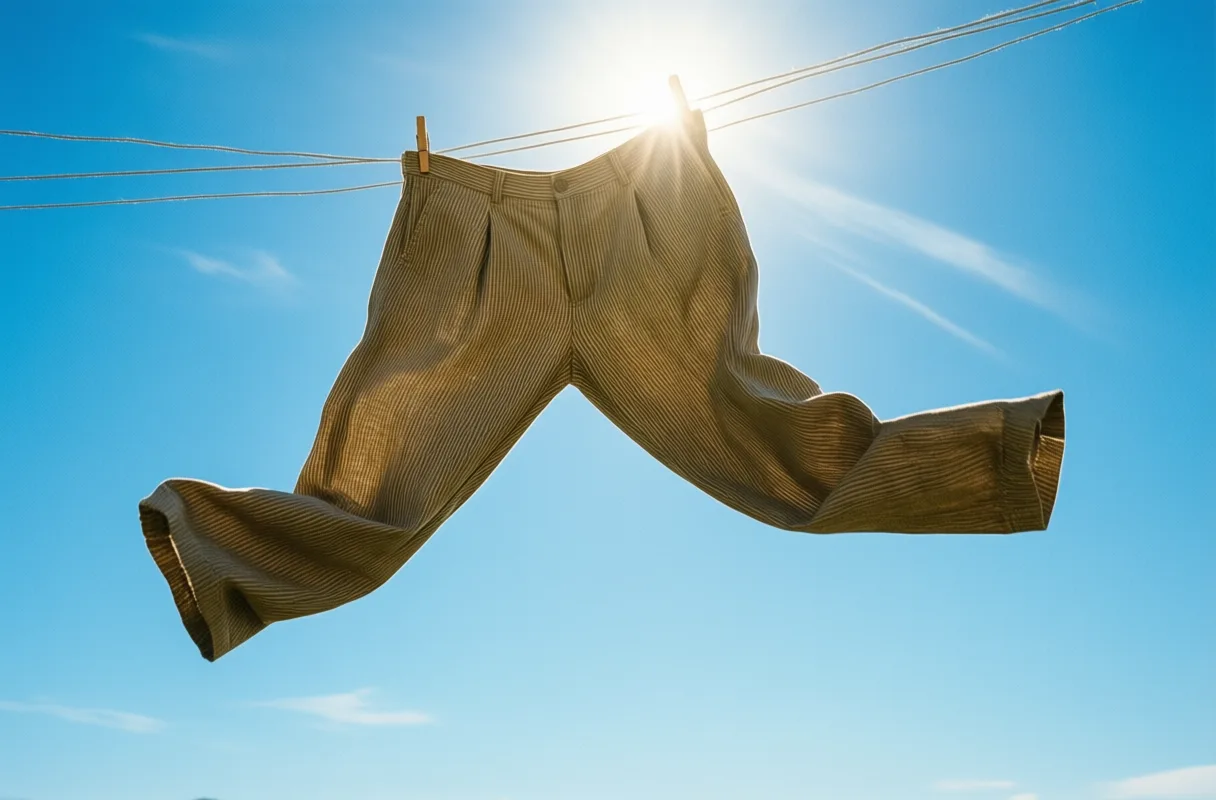
Linen Pants: Balancing Breathability and Structure
Linen pants are where most men either unlock a new level of comfort or fall into the trap of looking like they forgot to change after gardening. The difference? Cut and coordination.
A well-cut pair has enough drape to move with you, but enough structure to hold its shape. Look for a slight taper, a mid-rise waist, and a clean front-no pleats unless you’re going full retro.
They work best when styled with contrast. A crisp cotton tee or a fine-knit polo balances the texture. Footwear should elevate-think suede espadrilles, leather slides, or minimalist canvas sneakers.
- Avoid baggy fits-they amplify wrinkles
- Pair with a fitted top to maintain proportion
- Stick to neutral tones for maximum versatility
The Dark Side of Linen: Wrinkles and Care Challenges
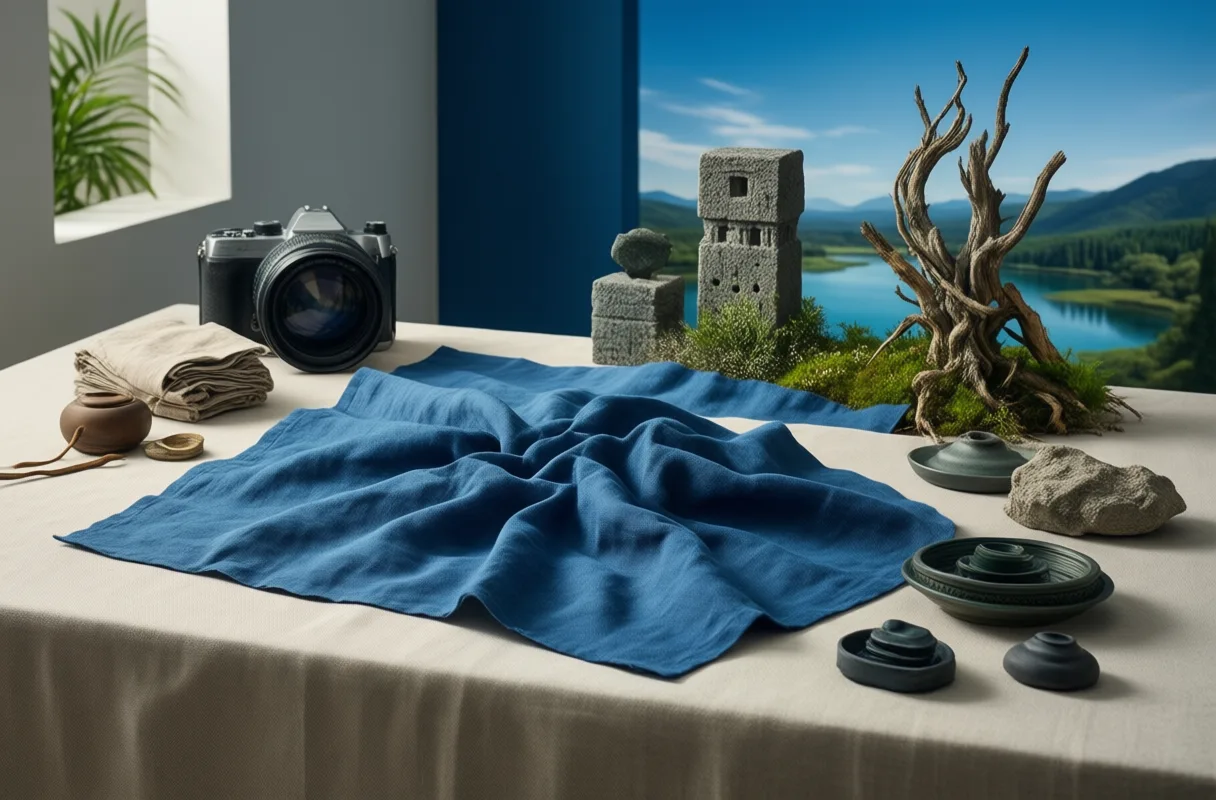
Let’s be clear: linen wrinkles. Not occasionally. Constantly. It’s not a flaw-it’s a feature. The fabric doesn’t pretend to be something it’s not. But that honesty comes with a cost.
You can’t throw it in the dryer and expect miracles. High heat collapses the fibers. Instead, Air dry and press lightly While damp. A steamer works better than an iron-less pressure, more flow.
And forget dry cleaning every time. It’s expensive and unnecessary. Spot clean, wash infrequently, and accept that a few creases are part of the uniform. If you want perfection, buy polyester. If you want character, embrace the crumple.
Linen Blends: A Smart Compromise for Everyday Wear
Pure linen is poetry. But for the guy who commutes, travels, or just doesn’t want to iron daily, Linen blends Are the practical upgrade.
Cotton-linen mixes soften the hand feel and reduce wrinkling while keeping breathability high. Some blends add a touch of elastane for stretch-useful if you’re sitting in meetings or driving cross-country.
They’re not as cool as 100% linen, but they’re more forgiving. And for most real-world situations, that trade-off makes sense. Think of it like a hybrid car: not the fastest, but efficient where it counts.
Linen Outerwear That Actually Works in Humidity
Linen jackets and overshirts aren’t just for Instagram shoots. They function as lightweight armor against evening breezes, airport AC, or surprise downpours.
A Unstructured linen blazer In beige or navy layers beautifully over a tee or short-sleeve shirt. No padding, no lining-just fabric that moves with you. Button one, never all.
Oversized linen shirts worn as open layers add texture without heat. Think of them as visual punctuation-something to break up solid colors and add rhythm to your look.
Just avoid anything lined or stiff. The goal isn’t to Dress Up-it’s to move through the world without sweating through your decisions.
Styling Tips for a Polished Warm-Weather Look
Summer style isn’t about adding more-it’s about editing wisely. Linen gives you permission to strip back, but only if you get the basics right.
Start with shoes. A worn sneaker can ruin a perfect outfit. Keep them clean, neutral, and minimal. Think white soles, tan leather, no logos.
Then, trim the fat. Skip the necklace stack. One chain, one watch, maybe a bracelet. Linen is tactile-let it breathe. Over-accessorizing fights the fabric’s natural rhythm.
Finally, Grooming is part of the fit. A sharp haircut, fresh scent, and hydrated skin elevate the whole ensemble. Linen doesn’t hide flaws-it highlights presence.
Why Less Is More with Linen Accessories
Linen speaks in whispers, not shouts. So your accessories shouldn’t compete-they should complement.
A leather belt in a warm tone ties the look together without strain. A simple watch with a linen strap? Even better. Avoid anything glossy or oversized.
Sunglasses should be classic-think rounded squares or aviators. No neon frames, no mirrored lenses unless you’re at Coachella.
And for god’s sake, skip the linen hat unless you’re on a Mediterranean island. A clean baseball cap or a low-profile bucket hat says you’re cool without trying to prove it.
The Future of Summer Fabric Innovation Starts Here
Linen isn’t going anywhere. If anything, it’s evolving. As temperatures rise and men demand more from their clothes, Natural, breathable fabrics are coming back with authority.
We’re seeing smarter weaves, better blends, and finishes that reduce wrinkling without sacrificing feel. The future isn’t synthetic fixes-it’s refining what nature already got right.
Linen won’t save the planet, but it respects it. And for the Modern man-who values comfort, clarity, and quiet confidence-that’s more than enough.
Why Linen Wins Every Summer
A Fabric with Ancient Roots
Linen isn’t a trendy newcomer-it’s one of the oldest textiles known to humans. Traces of linen fabric have been found in prehistoric caves, and it was widely used in ancient Egypt, where it symbolized purity and light. Pharaohs were even wrapped in linen for mummification, showing just how deeply it was woven into daily and spiritual life. That same natural fiber, made from the flax plant, is still prized today for the exact qualities that made it essential thousands of years ago: breathability, strength, and moisture-wicking power.
Wrinkles? That’s the Point
One of linen’s most talked-about traits-its tendency to wrinkle-is actually part of its charm. Unlike stiff, iron-perfect fabrics, linen embraces a relaxed, lived-in look that signals ease, not effort. This rumpled elegance means you don’t have to chase perfection; instead, the fabric adapts to your movement and environment, softening with every wear. Over time, linen gets more comfortable without losing its structure, making each piece feel personal and broken in, like your favorite pair of sneakers but for your summer wardrobe.
Cool by Nature
Flax plants thrive in cooler climates with plenty of rainfall, which contributes to linen’s natural coolness against the skin. The fibers are hollow, allowing air to circulate freely and heat to escape-this is why linen feels noticeably cooler than cotton or polyester when the sun’s blazing. It also absorbs moisture without feeling damp, so sweat doesn’t stick around to make you uncomfortable. No wonder it's a go-to for warm-weather dressing: it’s nature’s answer to staying fresh when temperatures rise. Explore more stories, videos, and creators on Loaded.
Frequently Asked Questions
Why is linen considered ideal for summer wear?
Linen is made from flax fibers that are hollow, allowing air circulation and moisture evaporation. It absorbs up to 20% of its weight in moisture before feeling damp and reduces the heat between fabric and skin.
How should linen be cared for to manage wrinkles?
Linen should be air-dried and lightly pressed while damp. A steamer works better than an iron, and frequent dry cleaning is unnecessary. Wrinkles are natural and part of the fabric’s character.
Can linen be worn in formal settings?
Yes, linen can be worn formally when tailored properly and paired with structured footwear. Pressing it briefly helps, and wearing it with neutral tones and clean lines maintains a polished look.
What are the benefits of linen blends compared to 100% linen?
Linen blends, like cotton-linen or those with elastane, reduce wrinkling and add softness or stretch while maintaining breathability. They are more practical for daily wear and travel.
This article was produced with AI assistance. How Granite Magazine uses AI.
Quinn explores the nuances of men’s fashion and personal care with a focus on timeless elegance and modern practicality. They emphasize sustainable choices, intelligent design, and the psychology behind how men present themselves in evolving social landscapes.