A good cognac doesn’t shout. It doesn’t need a billboard in Times Square or a verse in a Drake song-though, let’s be honest, it’s shown up in both. It lingers in the quiet moment after a meal, the amber glow in a snifter catching firelight, the slow exhale of a man who knows he’s earned the evening.
This is a world where four names dominate the conversation-and the sales charts-while dozens of others work in silence, aging eaux-de-vie in dark cellars, generation after generation. We’re cutting through the noise, not with hype, but with clarity. Let’s talk about who really shapes the Spirit, and who’s shaping the future.
What Defines a Legacy in the World of Cognac?
Cognac isn’t just distilled wine. It’s time, geography, and human patience boiled down into a glass. The rules are strict: it Must Come from the Cognac region of France, be double-distilled in copper pot stills, and age in French oak. But beyond the law, legacy is written in cellar dust, in handwritten ledgers, in the way a master blender can taste a cask and know its story.
A house’s reputation isn’t built in a year. It’s built across centuries, through wars, recessions, and changing tastes. Some brands survived by scaling up, mastering global distribution. Others stayed small, guarding their methods like family recipes. Both paths demand respect-but they deliver different experiences.
Legacy also means stewardship. The best houses treat their land like a living thing, not a resource. The chalky soils of Grande Champagne, the microclimates of Borderies-these aren’t just marketing terms. They’re the reason one sip can taste like honeyed apricot and the next like leather and smoke.

The Four Titans That Shape Global Taste
Hennessy, Rémy Martin, Martell, and Courvoisier Dominate
When you walk into a hotel bar in Dubai, a club in Miami, or a private lounge in Paris, the backbar tells the same story: four names stand above the rest. Hennessy, Rémy Martin, Martell, and Courvoisier aren’t just popular-they’re cultural fixtures. Together, they control around 90% of the global cognac market, a dominance that’s more empire than coincidence.
Hennessy leads the pack, a name so synonymous with cognac that many people use them interchangeably. Its V.S.O.P and X.O expressions are benchmarks-polished, consistent, and built for broad appeal. Rémy Martin stakes its claim in the heart of Grande Champagne, focusing almost exclusively on Fine Champagne cognac, a blend where at least 50% comes from that prized cru.
Martell, the oldest of the four, founded in 1715, has a lighter, fruit-forward profile that reflects its historical trade routes to England and beyond. Courvoisier, often called the “official cognac of Napoleon,” leans into elegance-balanced, floral, and approachable, with a finish that doesn’t linger too long.
| Brand | Founded | Signature Style | Key Expression | |-------|--------|-----------------|----------------| | Hennessy | 1765 | Bold, structured, oak-forward | X.O | | Rémy Martin | 1724 | Rich, floral, fine Champagne focus | Louis XIII | | Martell | 1715 | Light, fruity, elegant | Cordon Bleu | | Courvoisier | 1809 | Smooth, aromatic, balanced | XO |
These brands didn’t just survive-they adapted. They built global marketing machines, partnered with artists, athletes, and influencers, and turned cognac into a symbol of success. But scale comes with trade-offs.
Why Market Size Doesn’t Always Reflect Craft Nuance
Just because a brand sells the most doesn’t mean it’s the most interesting. Mass appeal requires consistency, and consistency often means blending thousands of eaux-de-vie to hit the same flavor profile every time. That’s not a flaw-it’s a feat of logistics. But it’s also a filter that can sand down the rough, beautiful edges of terroir.
Hennessy’s X.O is a masterpiece of blending, no question. But it’s also designed to taste the same in Tokyo as it does in Toronto. That uniformity is comforting, but it’s not the same as discovery. When you drink a small-batch cognac from a family-owned house, you’re not just tasting spirit-you’re tasting a specific year, a specific vineyard, a specific decision by a blender who knows every cask by name.
The giants play a different game. They’re not chasing cult status. They’re building global recognition, shelf dominance, and brand loyalty. And they do it well. But if you’re looking for surprise, for the kind of sip that makes you pause and say, What was that?, you might need to look beyond the usual suspects.
Beyond the Giants: Houses Where Tradition Runs Deeper Than Sales Figures
A Closer Look at Producers Who Define Artisanal Excellence
Step off the main road, and the cognac world opens up. You’ll find houses like Hine, known for its vintage-dated expressions and a preference for aging in damp cellars near the coast, which slows evaporation and softens the spirit. Their Antique XO is a study in restraint-floral, nutty, with a finish that unwinds like a slow conversation.
Then there’s Camus, a family-run house that still answers to the Camus name, five generations in. They focus on terroir-driven expressions, like their Ile de Ré, finished on the island itself, where sea air and salt influence the final character. It’s not louder. It’s different-subtle, briny, with a finish that tastes like a breeze off the Atlantic.
Other names worth knowing: Bache-Gabrielsen, with its bright, approachable style and Norwegian roots; A.E. Dor, a house that doesn’t sell young cognacs at all-only vintage, aged expressions, some over 100 years old. These aren’t brands chasing trends. They’re archivists, blending time and memory into Liquid form.
What sets them apart isn’t marketing spend. It’s philosophy. They don’t need to be the biggest. They just want to be Right. Right in their aging process, right in their sourcing, right in their respect for the craft.
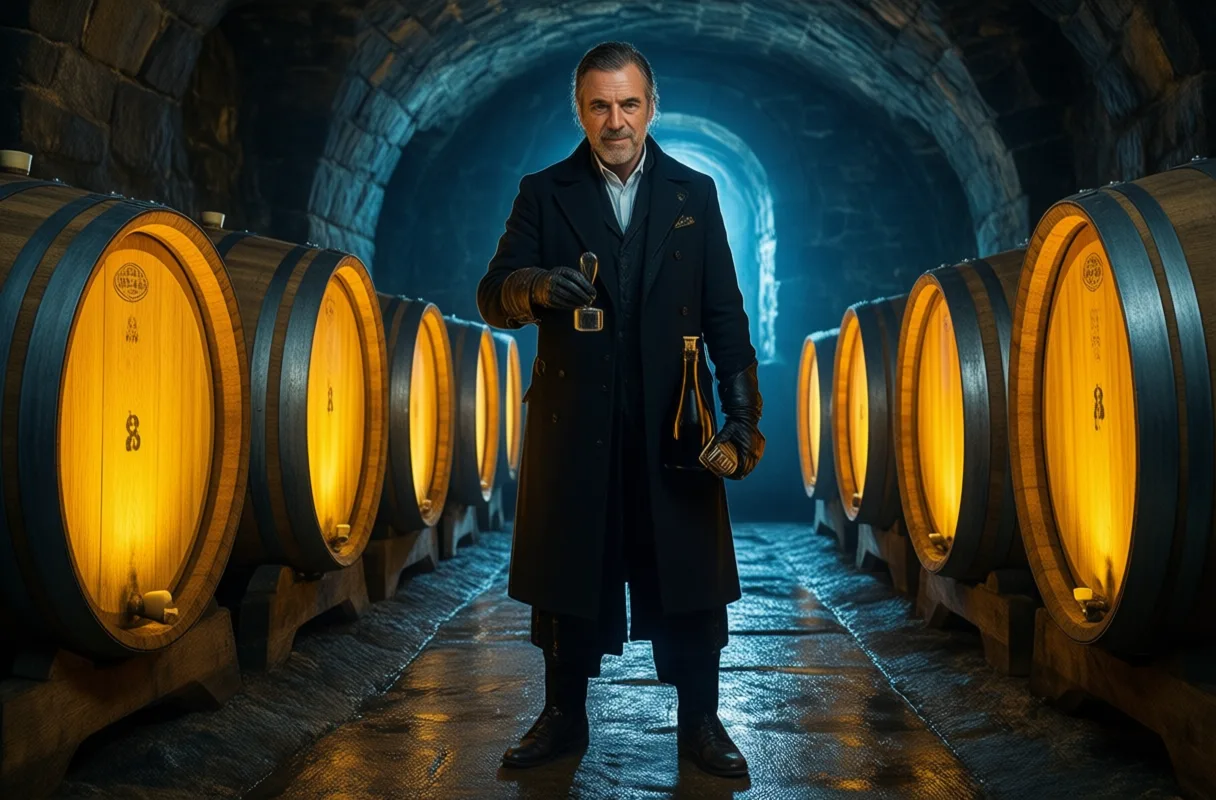
And then there are the obscure names-Augier Freres, Arthur H Godfree, La Fontaine de La Pouyade-brands you won’t find at the airport, but might stumble upon in a tucked-away cellar in Cognac. They’re not rare for show. They’re rare because they make small amounts, age patiently, and sell to those who know.
Do Famous Names Guarantee Superior Quality?
Unpacking the Gap Between Popularity and Palate
Fame and flavor aren’t the same thing. Just because a cognac is everywhere doesn’t mean it’s the best for You. A Hennessy V.S. Might be the backbone of a thousand hip-hop lyrics, but if you’re sipping it neat, you might find it a bit raw, a bit fiery-built for mixing, not meditating.
Superior quality depends on context. Rémy Martin’s Louis XIII is legendary-blended from up to 1,200 eaux-de-vie, some over a century old, sold in handcrafted crystal decanters. It’s a $3,000 experience, and for some, it’s worth every drop. But is it “better” than a $120 Hine Antique XO? That’s not a question of facts. It’s a question of taste, mood, and moment.
Popularity rewards accessibility. The big brands excel at making cognac that’s easy to love-smooth, sweet, oaky, with no sharp edges. But that approach can leave out the complexity that connoisseurs crave: the funk of old wood, the tang of oxidized fruit, the whisper of tobacco and beeswax that only decades in cask can bring.
And let’s be real: some of the most hyped releases are bought as investments, not for drinking. A limited-edition Courvoisier or a celebrity-backed Hennessy collab might appreciate in value, but that doesn’t mean it’s the most enjoyable in the glass. Sometimes, the best cognac is the one you actually open.
How Heritage Is Measured in Cellars, Not Charts
The Role of Aging, Terroir, and Family Stewardship
Time is the ultimate ingredient. While V.S. Cognacs need just two years in wood, the real magic happens at 15, 25, even 50 years. The spirit breathes through the oak, losing harshness, gaining depth. It’s not just aging-it’s transformation. Water evaporates, alcohol softens, and flavors concentrate, like a reduction in a chef’s pan.
Terroir matters just as much as time. The six crus of Cognac-Grande Champagne, Petite Champagne, Borderies, Fins Bois, Bons Bois, and Bois Ordinaires-each give something different. Grande Champagne delivers power and longevity. Borderies, the smallest cru, gives roundness and a distinctive nuttiness. A cognac from Fins Bois might be ready to drink younger, fruitier, more approachable.
But none of this means anything without stewardship. The best houses are still family-owned or operated by blenders who’ve spent decades learning their craft. At A.E. Dor, the same family has been selecting casks since 1858. They don’t rush. They wait. Their oldest expressions are labeled with the year they were bottled, not just when they were distilled-because the end of aging is just as important as the beginning.
These houses don’t measure success in quarterly reports. They measure it in casks saved for the next generation, in recipes passed down like heirlooms, in the quiet pride of knowing they didn’t cut corners.
What the Hype Misses About True Cognac Character
Exploring Underrated Profiles Beyond the Mainstream
The mainstream loves its caramel, its vanilla, its polished oak. And there’s nothing wrong with that. But real character often lives in the shadows. Try a Braastad Cognac, and you might taste dried fig, clove, and a hint of sea spray-unexpected, layered, alive. Or sample a Kelt, which finishes some of its blends in whiskey barrels, adding a smoky, spicy twist that breaks the mold.
Some of the most interesting profiles come from single-vintage or single-cask releases. These aren’t blended to be consistent. They’re bottled to be true-to a year, a barrel, a moment in time. You won’t find them in every store. You might have to hunt. But when you do, it feels like a discovery, not a purchase.
And then there’s the texture. The best cognacs don’t just taste good-they Feel Right in the mouth. Silky, not thin. Round, not sharp. There’s a weight to them, a viscosity that tells you time has been spent. It’s not about alcohol burn. It’s about presence.
The hype rarely talks about this. It talks about status, about price tags, about who’s drinking what at the afterparty. But the real story is quieter. It’s in the glass, not the Instagram post.
From Pour to Perception: Choosing Based on Experience, Not Label
Final Reflections on Legacy, Taste, and the Spirit’s Soul
At the end of the day, the best cognac is the one you enjoy. Not the one with the fanciest bottle, the longest lineage, or the loudest endorsement. It’s the one that makes you pause, that makes you want another sip, that feels like a reward earned.
The giants-Hennessy, Rémy Martin, Martell, Courvoisier-earned their place. They’ve introduced millions to the spirit, elevated its image, and set quality standards that matter. But they don’t own the soul of cognac. That belongs to the blenders in dim cellars, the families who’ve tended vines for generations, the ones who still stir the lees by hand.
So next time you pour, ask yourself: Am I drinking the label, or the liquid? Are you chasing status, or savoring the moment? Because the most luxurious thing about cognac isn’t the price. It’s the time. The patience. The quiet confidence of knowing you don’t need to prove anything-except to yourself.
And that’s a taste worth aging for.
| Brand | Founded | Signature Style | Key Expression |
|---|---|---|---|
| Hennessy | 1765 | Bold, structured, oak-forward | X.O |
| Rémy Martin | 1724 | Rich, floral, fine Champagne focus | Louis XIII |
| Martell | 1715 | Light, fruity, elegant | Cordon Bleu |
| Courvoisier | 1809 | Smooth, aromatic, balanced | XO |
The Big Names and Hidden Gems Behind the Bottle
You’ve probably heard of the heavy hitters-Hennessy, Rémy Martin, Martell, and Courvoisier. Together, these four powerhouses control around 90% of the global cognac market, making them the faces of the spirit worldwide. Their dominance isn’t just about volume; it’s built on long legacies, widespread distribution, and consistent branding that’s made cognac synonymous with luxury sipping and high-end mixology.
Beyond the Usual Suspects
While the big four dominate sales, the cognac world is deeper than most realize. Smaller houses like Hine, Camus, and AE Dor fly under the radar but pack serious heritage and craftsmanship. Hine, for instance, is known for aging its cognacs in damp cellars near the Charente River, a practice that softens the spirit over time. Meanwhile, Camus stands out as the last major family-owned house, focusing on terroir-driven expressions that highlight specific growing areas within the Cognac region. Even lesser-known names like Augier Frères and A. De Luze have roots stretching back centuries, offering a taste of history in every bottle.
Some brands you might not expect are also part of the cognac scene. Bache-Gabrielsen, for example, blends French heritage with Norwegian influence, having developed a strong following in Scandinavia. And while names like Abecassis and Arthur H Godfree aren’t household terms, they represent the diversity of styles and stories tucked within the AOC regulations. Whether you're sipping a rare XO from a centuries-old estate or exploring a modern blend from a rising label, there’s more to cognac than the label on top.
Frequently Asked Questions
Which cognac brands dominate the global market?
Hennessy, Rémy Martin, Martell, and Courvoisier dominate the global cognac market, collectively controlling around 90% of it.
What defines a cognac's legacy beyond sales figures?
A cognac's legacy is defined by time, terroir, family stewardship, and the master blender’s skill, with traditions passed down through generations.
How does terroir influence cognac flavor?
Terroir influences cognac flavor through the region’s soil and climate; for example, Grande Champagne gives power and longevity, while Borderies imparts roundness and nuttiness.
What makes small-batch cognac different from mass-produced brands?
Small-batch cognacs reflect specific vineyards, vintages, and blenders’ personal decisions, offering unique, nuanced profiles unlike the consistent, broad appeal of mass-produced brands.
This article was produced with AI assistance. How Granite Magazine uses AI.
Quinn explores the nuances of men’s fashion and personal care with a focus on timeless elegance and modern practicality. They emphasize sustainable choices, intelligent design, and the psychology behind how men present themselves in evolving social landscapes.